As the summer months continue, hunters in the Lexington area are turning their attention to the meticulous preparations required for the upcoming deer season. A detailed preseason checklist emphasizes that thorough planning and equipment inspection are crucial for both safety and success in the field.
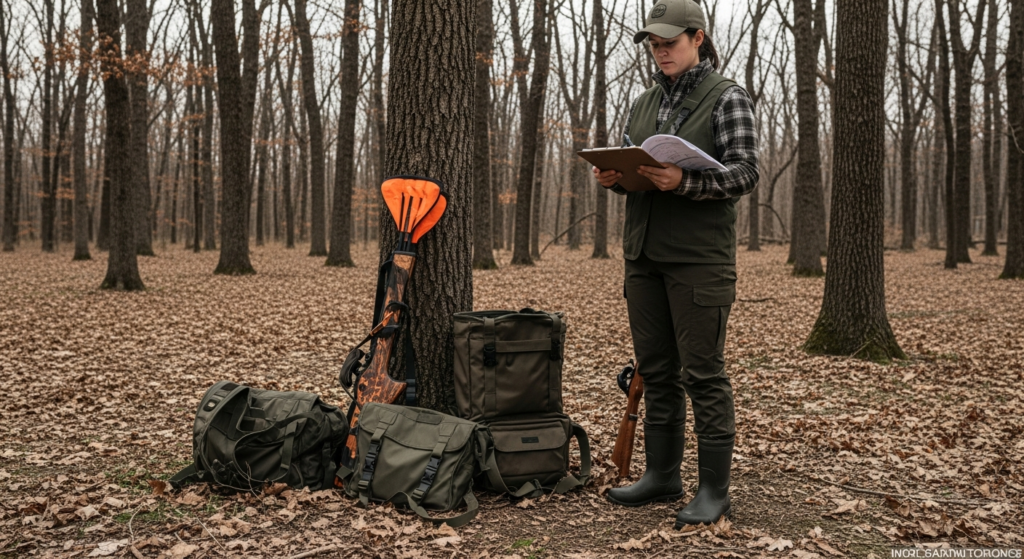
Weapon and optics readiness forms a foundational element of the guide. Bowhunters are advised to conduct a rigorous inspection of their equipment, checking for any signs of wear or separation in limbs, cams, and strings. Regular waxing of strings and prompt replacement of any questionable components are recommended. Beyond maintenance, consistent practice shooting is highlighted as essential for building accuracy and consistency. For rifle hunters, the checklist calls for cleaning and oiling firearms, verifying the security of scope mounts, and confirming the rifle’s zero at a shooting range. A specific recommendation for broadhead users involves employing an arrow spinner to ensure straightness and proper alignment, as even slight wobbles can significantly impact arrow flight.
Personal gear and safety equipment also warrant close attention. Hunters are encouraged to wash all hunting clothing with scent-free detergents and to meticulously inspect garments for holes, worn seams, or fading that could compromise camouflage or scent control. Breaking in new footwear and verifying waterproofing are also key steps. For those utilizing elevated positions, treestands, ladder stands, and climbing sticks must be thoroughly inspected for rust, loose fasteners, cracks, or frayed straps. A full-body harness, paired with a lifeline, should be tested to ensure proper function and fit. Given the prevalence of tick-borne illnesses, treating clothing with permethrin is a recommended preventive measure.
Navigation and mapping tools have become increasingly sophisticated, and the guide underscores their importance. Hunters should fully charge handheld GPS units or download updated mapping applications to their mobile devices. The Xtra mapping add-on, available for REVEAL plans starting at $4 per month, offers advanced features such as property boundaries, landowner information, and on-the-ground navigation tools, which can be invaluable for planning routes and understanding land access in Lexington County.
Strategic stand placement is identified as a critical factor for successful hunting. The guide suggests targeting natural pinch points, funnels, creek crossings, and staging areas located near food sources or bedding grounds. Particular emphasis is placed on identifying locations where bucks are likely to feel secure moving during daylight hours. Hanging stands as early as possible is recommended to allow deer to acclimate to their presence. When trimming shooting lanes, a conservative approach is advised to minimize noise and human scent exposure in the area.
Map scouting, often conducted remotely, provides a significant advantage. Hunters are encouraged to study contour lines to identify saddles, ridges, and draws that deer might use for travel. Locating creeks, ponds, and low spots can reveal crucial water sources. Satellite maps are useful for marking agricultural fields, oak stands, and natural browse areas. Furthermore, evaluating trailheads and access points is essential for planning entry and exit routes that can be adapted to various wind conditions, thereby reducing the risk of spooking deer.
Trail cameras offer a powerful means of inventorying deer populations and understanding their movement patterns. Recommended camera placements include mineral licks for early season patterning, trails connecting bedding to feeding areas, and field edges or corners for monitoring evening activity over food sources. Water sources can be particularly effective camera locations, especially during hot summer days or the rut. Various power options are suggested, including lithium cartridges, solar panels, folding solar panels, and battery belts, to ensure continuous operation.
Before deploying trail cameras, several preparatory steps are advised. Batteries should be fully charged, and SD cards, if used, should be formatted and labeled. Testing the field of view, motion activation, flash, and other settings is crucial. For cellular cameras, activation and updates should be completed before leaving for the field, utilizing the most recent version of the REVEAL app. The guide notes that Ultra and REVEAL 3.0 series cameras feature internal memory, making external SD cards optional.
Beyond hunting-specific gear, general camping equipment also requires attention. Tents and campers should be inspected for wear, missing stakes, cracked poles, or other deficiencies. Sleeping bags and pillows should be washed or aired out. Fuel canisters for camping stoves need to be filled, and all cutlery accounted for. Personal readiness extends to practicing shooting while wearing hunting clothes, ensuring packs contain tags, snacks, water, a license, and a first-aid kit. Coordinating plans with private-land owners and maintaining physical fitness for long hikes and climbs are also highlighted as important aspects of preseason preparation.
Why it matters in Lexington
For many residents of Lexington and the broader Lexington County, deer hunting is a deeply ingrained tradition and a significant recreational activity. The comprehensive preseason preparation outlined in this guide directly impacts the safety and success of hunters who frequent the extensive natural areas surrounding the town, including properties near the Saluda River and Lake Murray. Adhering to these guidelines helps ensure responsible wildlife management, promotes ethical hunting practices, and contributes to the overall safety of individuals participating in outdoor activities across the county. Local businesses catering to outdoor recreation, from sporting goods stores to equipment suppliers, also see increased activity as hunters prepare for the season, underscoring the economic ripple effect of this annual tradition in Lexington. Proper preparation also minimizes the risk of incidents, ensuring that the hunting season remains a safe and enjoyable pursuit for all involved within the community.