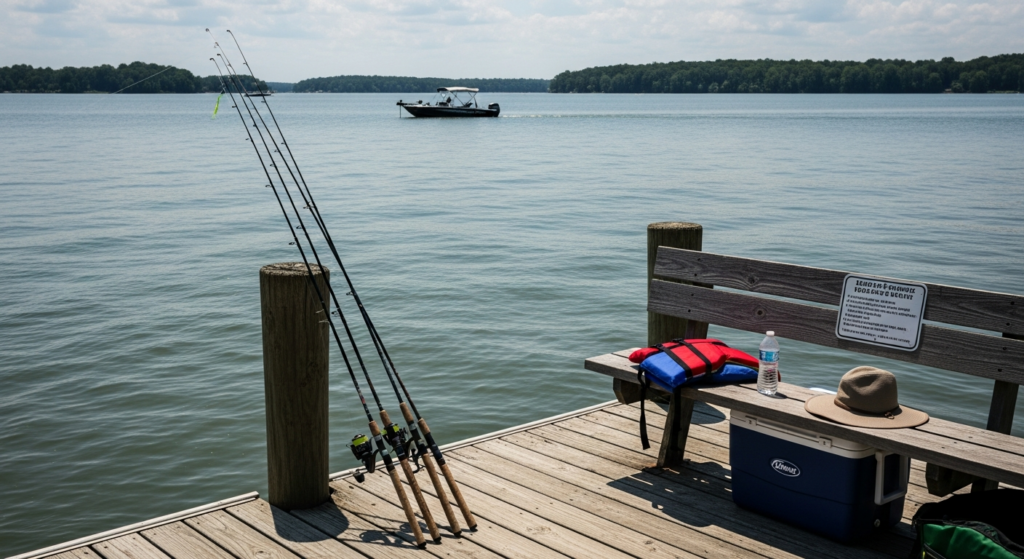
A new safety guide has been issued, providing detailed recommendations for anglers to mitigate risks associated with summer fishing, especially concerning sun exposure, proper hydration, and potential emergencies on the water. The guidance is particularly pertinent for individuals in Lexington and surrounding areas who frequent local waterways such as Lake Murray and the Saluda River during the warmer months.
The guide underscores the importance of understanding the sun’s intensity, noting that ultraviolet (UV) radiation is strongest between 10 AM and 4 PM. During these peak hours, the risk of sunburn and long-term skin damage significantly increases. Compounding this risk for anglers, water surfaces can reflect up to 15% of UV radiation, effectively increasing an individual’s exposure even when partially shaded. This reflective quality of water means that precautions taken on land may be insufficient when on a boat or near the shore, necessitating a more rigorous approach to sun protection.
To combat the heightened UV exposure, the guide strongly recommends the consistent use of broad-spectrum sunscreen. Anglers are advised to select products with a sun protection factor (SPF) of at least 30, with SPF 50 or higher being preferable for extended periods on the water. The efficacy of sunscreen relies heavily on proper application; it should be applied generously to all exposed skin approximately 30 minutes before heading outdoors. Reapplication is equally crucial, with a recommended frequency of every two hours, or more often if an individual is sweating heavily, has been splashed, or has entered the water.
Beyond topical protection, the guide advocates for a layered approach to sun safety through appropriate clothing and accessories. Lightweight, long-sleeved garments with a UPF (Ultraviolet Protection Factor) rating are highly recommended, as they offer a physical barrier against harmful rays. Light-colored clothing is also suggested, as it tends to reflect sunlight rather than absorb it, helping to keep the body cooler. A wide-brimmed hat, providing at least four inches of coverage around the entire head and neck, is essential for protecting the face, ears, and neck—areas often overlooked. Additionally, polarized sunglasses offering 100% UV protection are critical for safeguarding eye health, preventing glare, and improving visibility on the water.
Hydration is another cornerstone of summer fishing safety, especially given the heat prevalent in August. The guide emphasizes proactive fluid intake, recommending that anglers begin hydrating the night before a fishing trip. During active fishing, it suggests consuming at least eight ounces of water every 15 to 20 minutes. This consistent intake helps to replenish fluids lost through sweating and maintain the body’s core functions. Conversely, the guide advises against beverages high in caffeine or alcohol, as these can act as diuretics and contribute to dehydration, counteracting efforts to stay hydrated.
Recognizing the signs of dehydration early can prevent more severe health complications. The guide lists initial symptoms as increased thirst, a dry mouth, decreased urination, and general fatigue. If these signs are ignored, dehydration can progress to more serious conditions, manifesting as dizziness, a rapid heartbeat, and confusion. At this stage, immediate action is required to rehydrate and cool the individual. Ignoring these advanced symptoms can lead to heat exhaustion and, potentially, life-threatening heat stroke.
Heat stroke is identified as a medical emergency requiring immediate attention. Symptoms can include a body temperature exceeding 103°F, an altered mental state (such as confusion, irritability, or delirium), hot and dry skin (though sweating may still occur), a rapid and strong pulse, and in severe cases, unconsciousness. The guide’s directive is unequivocal: if heat stroke is suspected, 911 must be called immediately. While awaiting emergency medical services, aggressive cooling measures should be initiated, such as moving the individual to a cooler environment, removing excess clothing, and applying cool, wet cloths to the skin or immersing them in cool water.
For those venturing onto Lake Murray or other bodies of water in a boat, specific precautions are outlined to ensure safety. Before departure, anglers should thoroughly check their boat’s engine cooling system to prevent overheating, a common cause of breakdowns. Maintaining all required safety equipment, including life jackets, fire extinguishers, and signaling devices, is paramount. Filing a float plan with a trusted contact, detailing the intended route, duration, and number of people onboard, provides a critical safety net in case of an emergency. Carrying extra water and emergency supplies, beyond what is needed for the trip, is also advised. Furthermore, having a functioning VHF radio onboard ensures reliable communication, especially in areas where cell phone service may be unreliable. For extended trips, the guide recommends carrying at least one gallon of water per person per day as an emergency reserve.
Why it matters in Lexington
These comprehensive safety guidelines hold particular significance for Lexington, a community deeply connected to its waterways. With Lake Murray serving as a major recreational hub and the Saluda River offering extensive fishing opportunities, many residents of Lexington County engage in angling throughout the summer. The Town of Lexington and the broader Lexington County Government regularly emphasize public safety initiatives, and these guidelines align with efforts to ensure that recreational activities remain safe and enjoyable. Adhering to these recommendations can directly reduce the incidence of heat-related illnesses and boating accidents, protecting individuals and minimizing demands on local emergency services during the busiest fishing season. The guide provides actionable steps for anyone planning to fish in the area, from casual bank anglers to serious boaters, ensuring a safer experience for all on the water.