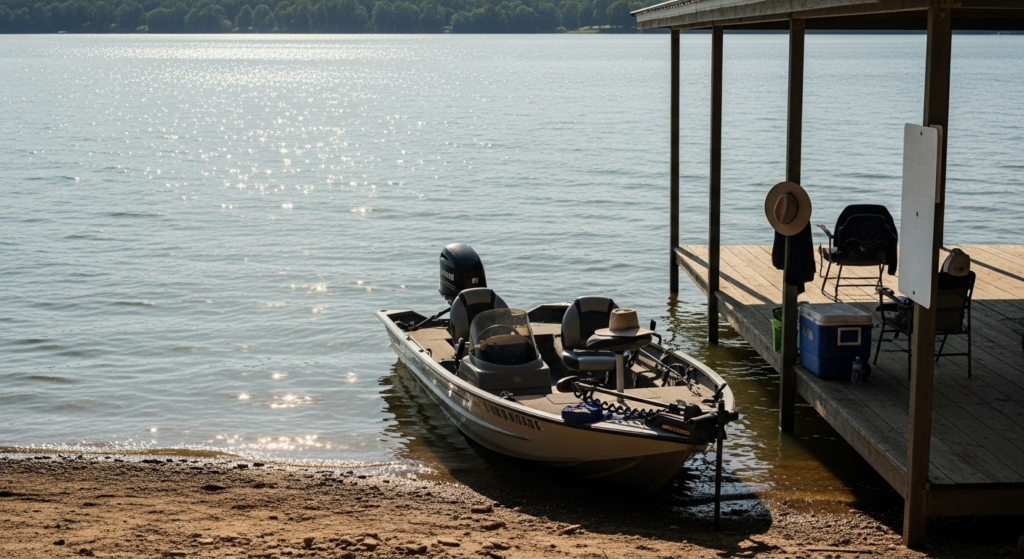
A new comprehensive safety guide has been issued, providing detailed recommendations for anglers to mitigate risks associated with sun exposure, heat, and dehydration, especially pertinent during the summer months. The guide outlines strategies for preventing heat-related illnesses and ensuring emergency preparedness, with specific advice for those venturing onto local waterways like Lake Murray and the Saluda River.
Central to the guide’s advice is robust sun protection. It highlights that the sun’s ultraviolet (UV) rays are at their most intense between 10 AM and 4 PM, a period when many anglers are actively fishing. A critical, often overlooked, detail is the reflective property of water surfaces, which can amplify UV exposure by up to 15%. To counter this, the guide strongly recommends the consistent use of broad-spectrum sunscreen. Anglers are advised to select a product with a Sun Protection Factor (SPF) of at least 30, with a preference for SPF 50 or higher for extended periods on the water. Proper application involves applying sunscreen 30 minutes before going outdoors and reapplying it every two hours. This frequency should be increased if an individual is sweating heavily or frequently splashing in the water.
Beyond sunscreen, the guide details essential protective equipment. Lightweight, long-sleeved clothing with a UPF (Ultraviolet Protection Factor) rating is recommended to create a physical barrier against the sun. A wide-brimmed hat, offering at least four inches of coverage around the entire head and neck, is also crucial. To protect eyes from both direct and reflected UV light, polarized sunglasses with 100% UV protection are advised. These measures collectively aim to reduce the cumulative impact of sun exposure, which can lead to sunburn, premature skin aging, and increased risk of skin cancer.
Maintaining adequate hydration is another cornerstone of the guide’s recommendations. Anglers are advised to consume at least eight ounces of water every 15 to 20 minutes during active fishing. The guide stresses that hydration should begin the night before an outing, ensuring the body is well-prepared for the demands of being outdoors in the heat. It also cautions against beverages high in caffeine or alcohol, as these can contribute to dehydration rather than alleviate it. Understanding the body’s signals for dehydration is vital. Early signs include increased thirst, a dry mouth, decreased urination, and general fatigue. As dehydration progresses, more severe symptoms can manifest, such as dizziness, a rapid heartbeat, and confusion, indicating a need for immediate intervention.
Heat-related illnesses, ranging from heat exhaustion to the more severe heat stroke, are a significant concern. The guide provides clear indicators for heat stroke, which is a medical emergency requiring immediate attention. Symptoms include a body temperature exceeding 103°F, an altered mental state (such as confusion, irritability, or disorientation), and skin that may feel hot and dry, although sweating can still occur in some cases. A rapid pulse and potential unconsciousness are also critical signs. In the event of suspected heat stroke, the guide unequivocally states to call 911 immediately and initiate aggressive cooling measures while awaiting emergency medical services.
For those who prefer boat fishing, the guide includes specific safety protocols. Before embarking, anglers should thoroughly check their boat’s engine cooling system to prevent breakdowns on the water. Filing a float plan with a trusted contact, detailing the planned route and expected return time, is a crucial safety measure. Carrying extra water and emergency supplies is also emphasized, including a VHF radio for communication in areas with limited cell service. The guide recommends having at least one gallon of water per person per day for emergencies, underscoring the importance of self-sufficiency on the water.
Why it matters in Lexington
This new fishing safety guide holds particular relevance for Lexington, a community deeply connected to Lake Murray, one of the region’s premier recreational assets. With countless residents and visitors frequenting the lake for fishing, boating, and other water activities throughout the summer, adherence to these safety protocols can directly impact public health and safety. The recommendations regarding sun protection, hydration, and heat illness prevention are critical for reducing incidents that could otherwise strain local emergency services, including the Lexington County Sheriff’s Department and Lexington County Government’s emergency management resources. By following these guidelines, anglers can help ensure a safer and more enjoyable experience on Lexington’s waterways, mitigating risks that are especially pronounced during the warm summer months.