As the 2026 hunting season draws nearer, prospective hunters, particularly those new to the sport in Lexington and the surrounding Midlands region, are encouraged to begin their preparations well in advance. A detailed guide emphasizes that successful and ethical hunting hinges on thorough education, proper licensing, and adherence to stringent safety measures long before opening day.
Central to this preparation is completing a state-approved hunter education course. These programs are designed to instill fundamental knowledge and responsible practices. Course formats can vary, including traditional classroom instruction complemented by a field day, online modules followed by an in-person field day, or, in some states, fully online options for adult learners. The curriculum typically covers a broad range of critical topics: firearm and archery safety, the principles of fair chase, accurate wildlife identification, establishing safe zones of fire, basic survival skills, first aid, and an in-depth review of local hunting regulations. Understanding these foundational elements is paramount for both safety and compliance.
Navigating the complex landscape of hunting licenses and regulations is another crucial step. The guide underscores that rules are highly variable, often differing by state, specific game unit, species, and even the type of weapon used. Factors such as the animal’s sex or age can also influence legal requirements. Hunters must research and secure the correct licenses and species tags for their intended quarry. High-demand hunts, particularly for popular game, may necessitate participation in a lottery application process, while other tags might be readily available over the counter. Key details to verify include season dates, legal weapons, minimum calibers or draw weights for archery equipment, bag limits, and specific tagging or reporting requirements that apply to the area of pursuit, including within Lexington County.
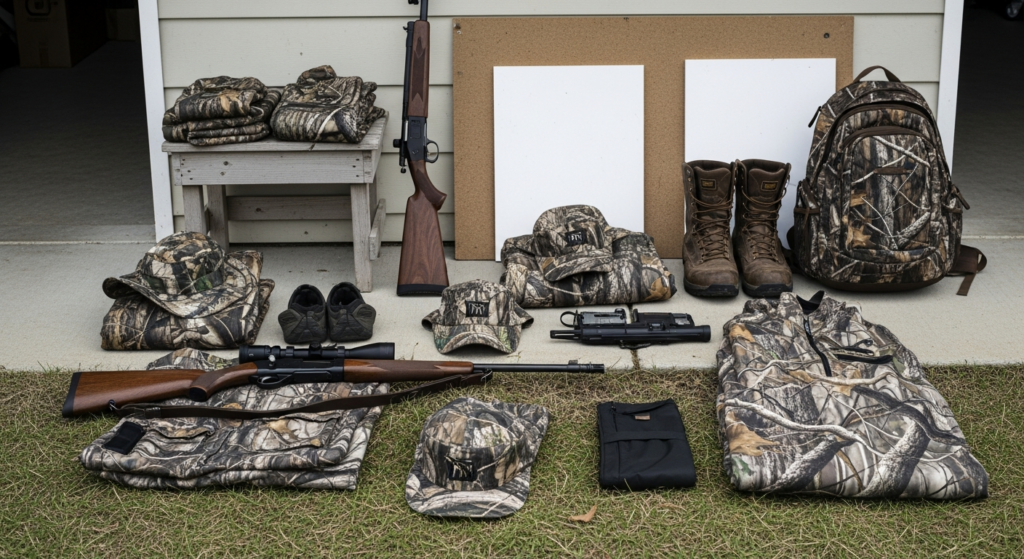
Equipping oneself properly is a significant investment for new hunters. The guide provides a comprehensive list of recommended basic gear. This includes a legal weapon—whether a firearm or archery equipment—along with appropriate ammunition or arrows. Practice equipment is also advised to ensure proficiency and ethical shots. Beyond the weapon, essential items include all required licenses and tags, hunter orange clothing where mandated for visibility, and broken-in waterproof boots for comfort and protection in varied terrain. Layered, non-cotton clothing is recommended for adaptability to changing weather conditions. Other vital tools include binoculars for scouting, a day pack to carry essentials, sufficient water and high-calorie snacks, a headlamp with extra batteries for low-light conditions, a sharp knife for field dressing, and a well-stocked first-aid kit.
The financial outlay for new gear can be substantial. For an entry-level rifle paired with a basic scope, costs are estimated to range from $450 to $800. A shotgun suitable for deer or small game might cost between $350 and $700. Those opting for archery can expect to spend $400 to $900 for a compound bow package. Essential apparel, such as boots and basic clothing layers, typically falls within the $200 to $400 range, while entry-level binoculars are estimated at $100 to $250. These figures highlight the need for careful budgeting and planning for individuals entering the sport.
Safety protocols, particularly concerning firearms, are non-negotiable. The guide emphasizes four cardinal rules of firearm safety: always treat every firearm as if it were loaded, consistently keep the muzzle pointed in a safe direction, keep the trigger finger off the trigger until the moment of readiness to shoot, and always identify the target and be aware of what lies in front of and beyond it. For hunters utilizing elevated positions, such as tree stands, additional safety measures are critical. These include using a full-body safety harness, a lineman’s belt for climbing, a lifeline for continuous attachment, thorough inspection of the stand before each use, and a haul line for safely raising and lowering unloaded weapons and gear.
After a shot has been taken, a series of deliberate steps are advised to ensure ethical recovery and compliance. Hunters should first observe the animal’s reaction and mark the last known location where it was seen. Depending on the shot placement and animal’s behavior, waiting for an appropriate period before tracking can be beneficial. Tracking should commence at the hit site, slowly following any signs such as blood trails, tracks, or disturbed vegetation. If tracking proves difficult or the animal is not immediately found, seeking help from experienced trackers is recommended. Once the animal is recovered, it must be tagged as required by state regulations. Prompt cooling and cleaning of the meat are essential for preservation, and all state rules regarding carcass or quarter transport must be strictly followed, especially when moving through or from areas like Lexington County.
Why it matters in Lexington
The comprehensive preparation outlined in this guide holds particular relevance for residents of Lexington and the broader Lexington County area. With access to significant natural resources like Lake Murray and the Saluda River, outdoor activities, including hunting, are a cherished tradition for many. Ensuring that new hunters are well-versed in safety, regulations, and ethical practices directly impacts public safety and the responsible stewardship of these local environments. The Lexington County Government, through its various departments, plays a role in managing public lands and enforcing state wildlife regulations, making informed participation crucial for maintaining a safe and sustainable hunting culture. Adherence to these guidelines helps preserve the natural beauty and recreational opportunities that define the Midlands region.