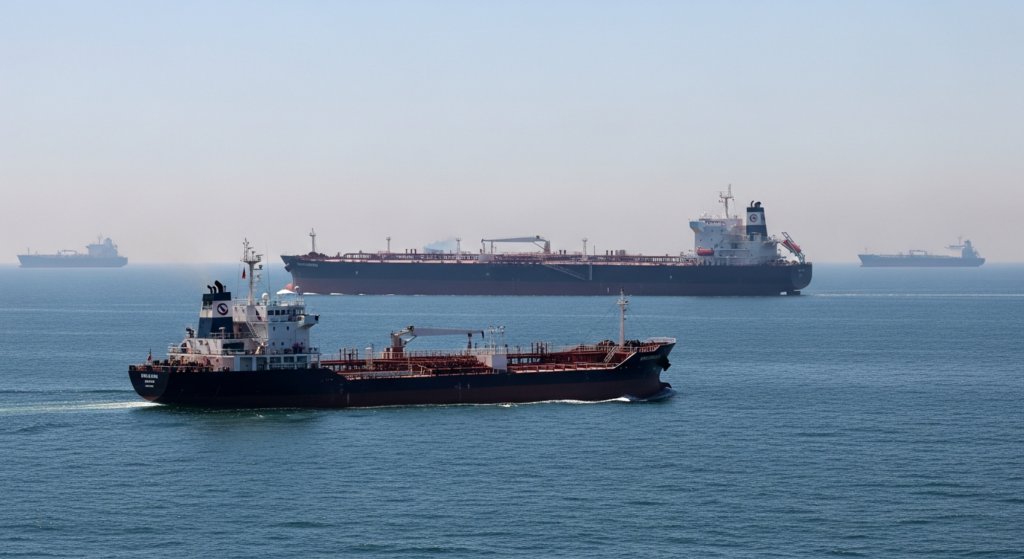
Renewed hostilities between the United States and Iran in the vicinity of Iranian ports and the Strait of Hormuz have triggered a significant increase in global oil prices and heightened concerns regarding international shipping. The escalation, confirmed during the current July 15 cycle, underscores the volatility of a waterway crucial for global crude oil flows.
The Strait of Hormuz, a narrow passage connecting the Persian Gulf to the open ocean, is one of the world’s most vital maritime chokepoints. Approximately one-fifth of the world’s total petroleum consumption, including crude oil and liquefied natural gas (LNG), transits through this 21-mile-wide channel daily. Its strategic importance means that any disruption or perceived threat to shipping in the area can send immediate ripples through global energy markets.
Reports indicate that the U.S. has reimposed a blockade on Iranian ports, a move that has intensified the existing tensions. This action, coupled with the broader U.S.-Iran escalation, has led to renewed apprehension among shipping companies and energy traders. The immediate consequence has been a surge in crude oil prices, which have reached a one-month high as markets factor in the increased geopolitical risk and potential supply disruptions.
The implications for global shipping extend beyond just crude oil. The heightened security concerns in the region can lead to increased insurance premiums for vessels traversing the Strait, longer transit times if ships opt for alternative, more circuitous routes, and elevated operational costs for maritime logistics. These factors collectively contribute to higher costs for goods transported internationally, affecting a wide array of industries reliant on global supply chains.
Energy market analysts are closely monitoring the situation, as sustained tensions could lead to further price volatility. Higher crude oil prices typically translate to increased costs for refined products such as gasoline, diesel, and jet fuel. This can exert inflationary pressure across economies, impacting everything from transportation and manufacturing to agriculture and consumer spending. Businesses that depend on predictable and affordable energy inputs face the challenge of adjusting to a more uncertain and expensive operating environment.
The current escalation marks a renewal of tensions that have historically characterized U.S.-Iran relations concerning this critical waterway. The Strait of Hormuz has long been a flashpoint, and past incidents have demonstrated its capacity to significantly influence global energy security and economic stability. The present situation highlights the enduring sensitivity of the region to geopolitical developments and the immediate, far-reaching consequences of any perceived threat to its unimpeded passage.
While the immediate conflict zone is thousands of miles from Lexington, the economic reverberations are global. The rise in oil prices, driven by these international events, will inevitably affect local businesses and residents in Lexington, much like communities across the nation. The interconnectedness of global markets means that distant geopolitical developments can have tangible, everyday impacts on the cost of living and doing business locally.
### Why it matters in Lexington
The renewed U.S.-Iran hostilities and the resulting increase in global oil prices will have direct consequences for the residents and institutions of Lexington. Higher crude benchmarks translate quickly to increased costs at the gas pump, affecting daily commutes for families and the operational budgets of local entities such as the Lexington County School District One, which manages a fleet of buses. Furthermore, businesses like Walmart, Publix, Lowe’s, and The Home Depot, which rely on extensive supply chains, may face higher shipping costs for goods, potentially leading to increased prices for consumers in Lexington. This inflationary pressure can impact household budgets and the broader economic landscape of Lexington County, making the distant developments in the Strait of Hormuz a relevant concern for the local community.