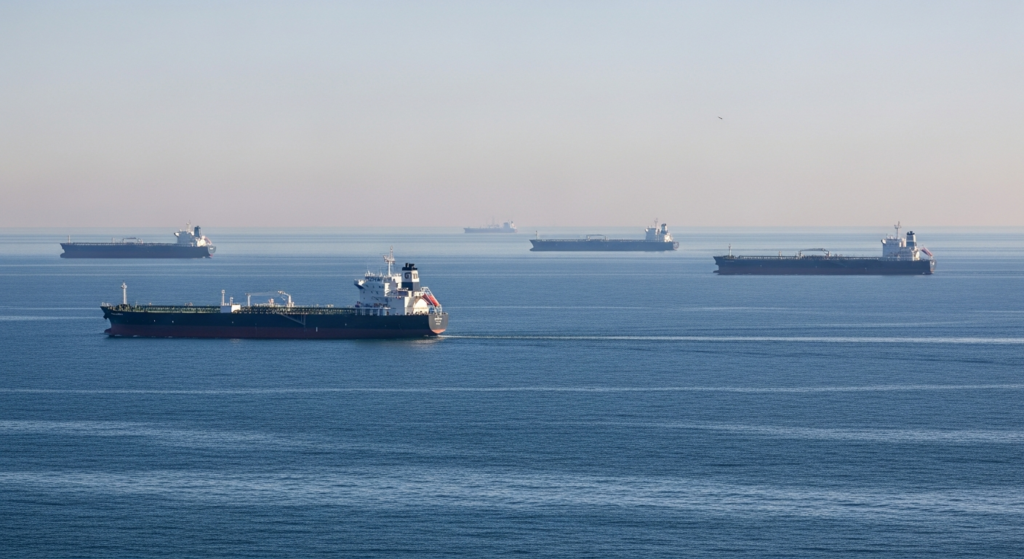
Renewed hostilities between the United States and Iran in the vicinity of Iranian ports and the Strait of Hormuz have triggered significant concern in global energy markets, leading to a notable increase in oil prices. The escalation, which intensified around July 15, has prompted the U.S. to reimpose a blockade on Iranian ports, a move that immediately amplified anxieties about the stability of international shipping and crude oil supplies.
The Strait of Hormuz, a narrow waterway connecting the Persian Gulf to the open ocean, is one of the world’s most vital maritime chokepoints. Approximately one-fifth of the world’s total oil consumption, including crude oil and petroleum products, passes through this strait daily. Its strategic importance means that any disruption or perceived threat to shipping in the area can have immediate and far-reaching consequences for global energy security and prices.
The recent developments have already pushed oil prices to a one-month high, reflecting the market’s sensitivity to geopolitical tensions in the region. Energy market analysts are closely monitoring the situation, as sustained instability could lead to higher costs for crude oil, which in turn affects the price of gasoline, diesel, and other essential petroleum-based products worldwide. The reimposition of the blockade by the U.S. has intensified fears of supply disruptions, even as the full extent of the conflict’s impact on actual shipping volumes remains under assessment.
Beyond crude oil, the heightened risk in the Strait of Hormuz affects the broader international shipping industry. Insurance premiums for vessels traversing the region are likely to climb, and some shipping companies may consider re-routing, adding to transit times and operational costs. These increased expenses for transporting goods, from raw materials to finished products, can ripple through global supply chains, potentially leading to higher consumer prices across various sectors.
The U.S.-Iran escalation underscores the interconnectedness of global events and local economies. While the conflict unfolds thousands of miles away, its economic repercussions are felt globally, including in communities like Lexington. The rising cost of energy and potential disruptions to supply chains present challenges for businesses and households alike.
Why it matters in Lexington
The economic fallout from rising global oil prices and increased shipping costs will inevitably reach Lexington. Local institutions and businesses, such as Lexington County School District One and Lexington County Government, rely on fuel for their vehicle fleets and operations, meaning increased budgets for transportation. Major employers like Walmart, Publix, Lowe’s, and The Home Depot, which depend on efficient and cost-effective supply chains to stock their shelves, could face higher freight costs, potentially translating into elevated prices for consumers in Lexington. Residents commuting along key corridors like US-1 or US-378 will likely see higher prices at the pump, impacting household budgets. The broader inflationary pressure stemming from these global events could affect the cost of living and doing business across Lexington, influencing everything from local construction projects to the daily expenses of families.
Section: More Lexington SC politics news
Filed under: Lexington SC Politics News