As summer temperatures persist across the Midlands, a comprehensive guide on fishing safety has been issued, emphasizing crucial precautions for anglers in Lexington and the surrounding areas. The recommendations cover a range of measures from sun protection and hydration to recognizing heat-related emergencies and ensuring boat readiness, all designed to mitigate risks associated with prolonged exposure to the elements.
The guide underscores that the sun’s ultraviolet (UV) rays pose a significant threat, particularly between 10 AM and 4 PM, when their intensity is at its peak. Water surfaces, such as those found on Lake Murray or the Saluda River, can reflect up to 15% of UV radiation, effectively increasing an angler’s exposure. To counter this, the guide advises the use of broad-spectrum sunscreen with an SPF (Sun Protection Factor) of at least 30. For individuals planning extended periods on the water, an SPF of 50 or higher is strongly recommended. Proper application is key: sunscreen should be applied approximately 30 minutes before heading outdoors, allowing it to bind effectively with the skin, and reapplied every two hours thereafter. More frequent reapplication is necessary after heavy sweating or any contact with water, ensuring continuous protection against harmful UV exposure.
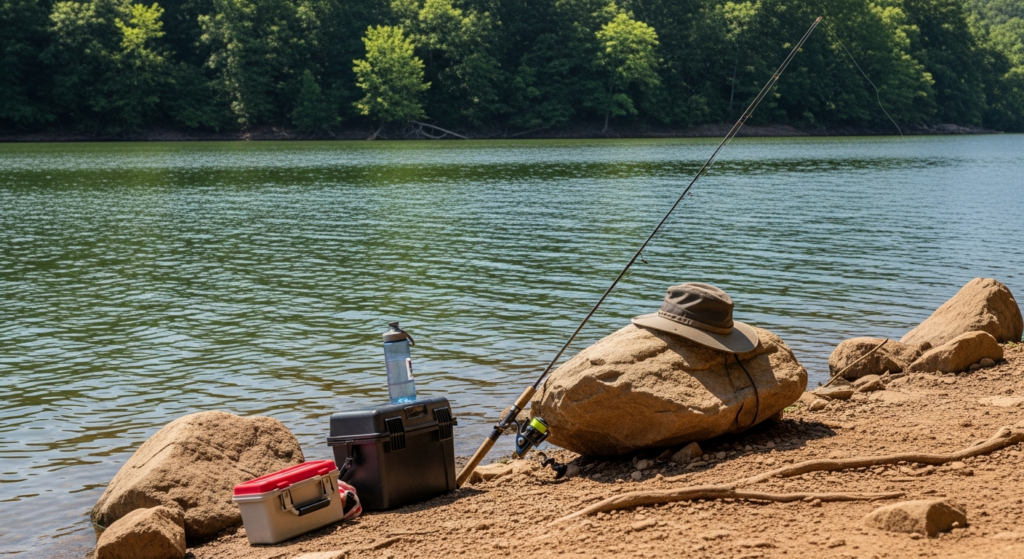
Beyond topical protection, the guide details essential protective equipment. Lightweight, long-sleeved clothing with a UPF (Ultraviolet Protection Factor) rating is recommended to create a physical barrier against the sun. Light-colored garments are preferred as they reflect sunlight rather than absorbing it, helping to keep the wearer cooler. A wide-brimmed hat, offering at least four inches of coverage around the entire head and neck, is crucial for shielding the face, ears, and neck from direct sun. Additionally, polarized sunglasses that provide 100% UV protection are advised not only to protect the eyes from damaging rays but also to reduce glare off the water, improving visibility and reducing eye strain.
Hydration is another cornerstone of summer fishing safety. Anglers are advised to consume at least 8 ounces of water every 15 to 20 minutes while actively fishing. This consistent intake helps to replenish fluids lost through perspiration, which can be substantial during warm weather. The guide specifically cautions against beverages high in caffeine or alcohol, as these can act as diuretics, accelerating dehydration rather than preventing it. For those engaged in strenuous activity or experiencing significant sweating, sports drinks can be beneficial in replacing electrolytes, such as sodium and potassium, which are vital for maintaining proper bodily functions.
The guide provides clear distinctions between heat exhaustion and the more severe heat stroke, urging immediate action upon recognizing symptoms. Heat exhaustion manifests through heavy sweating, general weakness, nausea, headaches, and muscle cramps. If these symptoms appear, individuals should move to a cooler environment, rest, and rehydrate. Heat stroke, however, is a medical emergency characterized by a body temperature exceeding 103°F, an altered mental state (such as confusion or disorientation), hot and dry skin (indicating a cessation of sweating), a rapid pulse, and potentially unconsciousness. In such cases, the guide stresses the critical importance of calling 911 immediately and initiating aggressive cooling measures while awaiting professional medical assistance.
Strategic planning for fishing times and locations can also significantly reduce heat exposure. The guide recommends fishing before sunrise or during the evening hours, when ambient temperatures are considerably cooler. If fishing during the peak heat of the day is unavoidable, anglers are advised to seek out shaded areas along the banks of the Saluda River or under bridges. On Lake Murray, targeting deeper water or fishing near covered structures can offer respite from direct sunlight and often cooler conditions. These tactical adjustments can make a substantial difference in comfort and safety during the summer months in Lexington.
For those venturing onto the water in boats, specific safety checks are paramount. Boat anglers should ensure that engine cooling systems are functioning correctly to prevent overheating, which can lead to stranding. All required safety equipment, including life jackets, fire extinguishers, and signaling devices, must be onboard and in good working order. Filing a float plan with a trusted person, detailing the intended route, duration, and number of passengers, is a prudent measure that can aid rescue efforts if an emergency arises. Carrying extra water, with at least one gallon per person per day for emergencies, is essential, as are other emergency supplies such as a first-aid kit, tools, and a reliable means of communication like a VHF radio.
Why it matters in Lexington
Lexington’s identity is deeply intertwined with its access to natural resources, particularly Lake Murray and the Saluda River, which serve as major recreational hubs for fishing, boating, and other water sports. The well-being of residents and visitors who utilize these waterways directly impacts the community. Adherence to these safety guidelines can prevent serious heat-related illnesses and boating accidents, reducing the strain on local emergency services, including those managed by the Lexington County Government and the Lexington County Sheriff’s Department under Sheriff Bryan “Jay” Koon. By promoting safe practices, the community ensures that these vital recreational assets remain enjoyable and accessible, contributing positively to the quality of life and the local economy that benefits from tourism and outdoor activities throughout the summer.