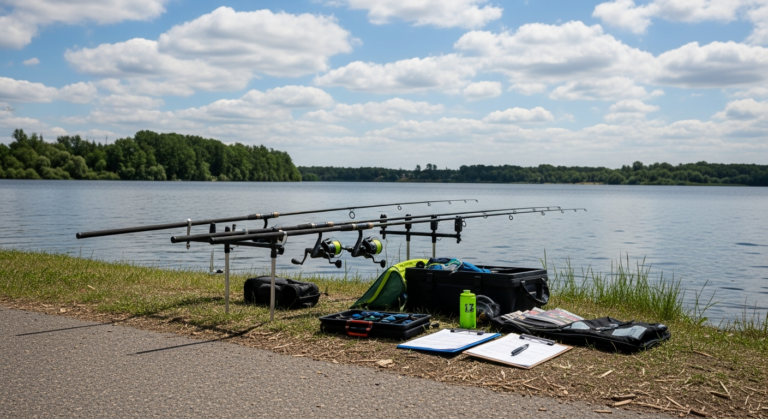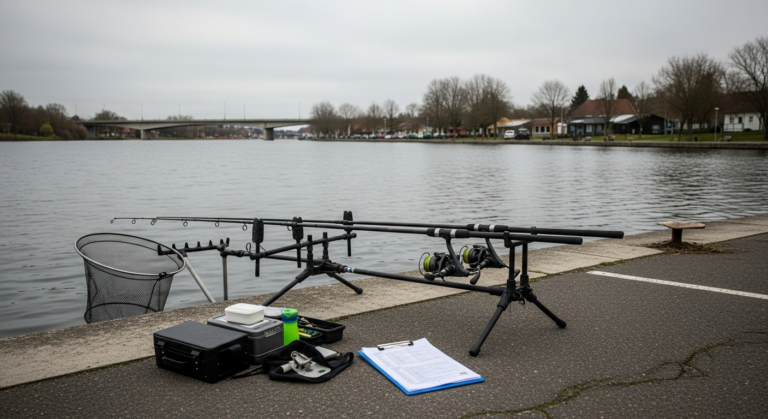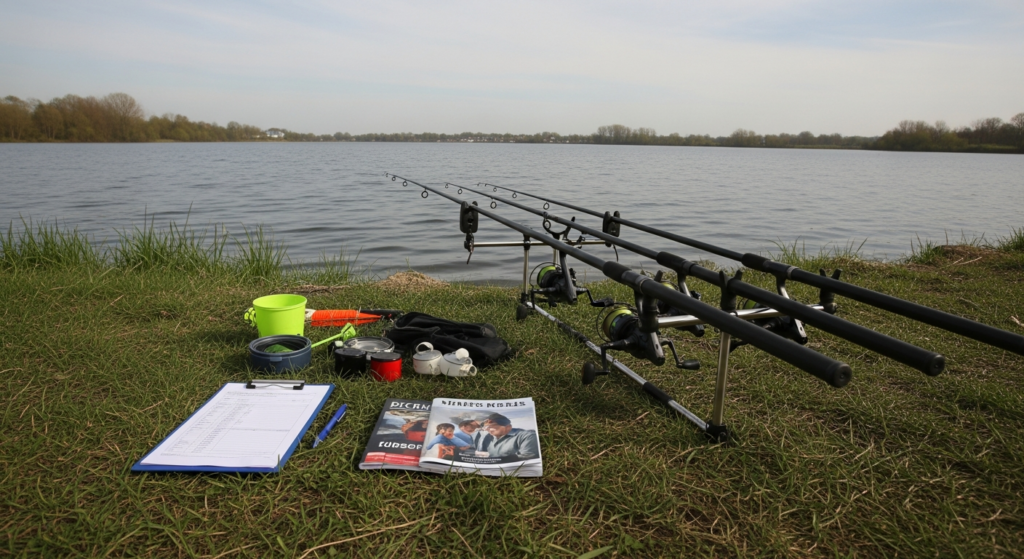
As summer continues, individuals engaging in recreational fishing across Lexington’s waterways are reminded of critical safety protocols designed to mitigate risks associated with high temperatures and prolonged sun exposure. A recently compiled safety resource outlines key measures, from diligent sun protection to emergency preparedness, that can help ensure a safer experience on the water.
The guide highlights the intensity of the sun’s ultraviolet (UV) radiation, noting that its rays are strongest between 10 AM and 4 PM. Water surfaces, such as those found on Lake Murray or the Saluda River, can significantly amplify this exposure by reflecting up to 15% of UV radiation, increasing the risk of sunburn and long-term skin damage. To counter this, the resource strongly recommends the use of broad-spectrum sunscreen with a sun protection factor (SPF) of at least 30, advising SPF 50 or higher for extended periods on the water. Proper application involves applying sunscreen 30 minutes before going outdoors and reapplying it every two hours, or more frequently if sweating heavily or after splashing in the water.
Beyond topical protection, physical barriers are crucial. Anglers are encouraged to wear lightweight, long-sleeved clothing with a UPF (Ultraviolet Protection Factor) rating, which indicates how much UV radiation a fabric blocks. A wide-brimmed hat, offering at least four inches of coverage, is also recommended to shield the face, ears, and neck. Polarized sunglasses with 100% UV protection are essential not only for vision clarity but also for protecting the eyes from harmful rays and glare reflecting off the water.
Hydration is another cornerstone of summer safety. The guide advises drinking at least eight ounces of water every 15 to 20 minutes during active fishing. This proactive approach to fluid intake should ideally begin the night before an outing. Conversely, beverages high in caffeine or alcohol are discouraged, as they can contribute to dehydration rather than prevent it. Early indicators of dehydration include increased thirst, dry mouth, decreased urination, and general fatigue. Should these symptoms progress to dizziness, a rapid heartbeat, or confusion, more severe dehydration may be occurring, requiring immediate attention.
Heat-related illnesses pose a significant threat, with heat stroke being the most severe. Symptoms of heat stroke include a body temperature exceeding 103°F, an altered mental state, hot and dry skin (though sweating may still be present), a rapid pulse, and potential unconsciousness. The guide unequivocally states that anyone exhibiting these signs requires immediate medical intervention, advising to call 911 without delay and begin aggressive cooling measures while awaiting emergency services.
For those venturing onto Lake Murray or other larger bodies of water in a boat, specific precautions are necessary. The guide recommends a thorough check of the engine cooling system before departure to prevent overheating, a common issue in summer conditions. Filing a float plan with a trusted contact, detailing the intended route, duration, and expected return time, is a vital safety measure. Additionally, carrying extra water and emergency supplies, including a VHF radio for communication, is paramount. A minimum of one gallon of water per person per day is advised for emergency situations, underscoring the importance of self-sufficiency in remote areas.
General safety practices also include planning fishing trips during cooler parts of the day, such as before sunrise or a few hours before sunset, when possible. Utilizing natural shade or creating it with umbrellas, and taking frequent breaks from direct sun exposure, are simple yet effective strategies. Carrying a comprehensive first-aid kit equipped with cooling supplies, such as instant cold packs, can address minor injuries and heat-related discomfort. Finally, informing someone of your fishing plan and expected return time is a crucial step in ensuring that help can be dispatched if you do not return as scheduled.
Why it matters in Lexington
Lexington’s proximity to Lake Murray and the Saluda River makes recreational fishing a popular summer activity for many residents and visitors. The advice contained within this safety guide directly impacts the well-being of individuals enjoying these natural resources. Ensuring public safety on the water is a priority for entities like the Lexington County Government and local emergency services. Adherence to these guidelines can reduce the strain on these services by preventing avoidable incidents, allowing for safer enjoyment of Lexington’s significant aquatic assets and supporting the overall health and vitality of the community’s outdoor recreation scene.