As outdoor enthusiasts continue to frequent Lexington’s abundant waterways, a detailed guide has been issued to underscore critical safety measures for summer fishing. The recommendations cover a range of essential practices, from maintaining proper hydration to understanding weather patterns and handling fish responsibly, aiming to ensure a safer experience for all anglers in the region.
Central to any summer outdoor activity, especially fishing, is adequate hydration. The guide strongly advises individuals to begin their day well-hydrated, consuming ample water before even stepping out. A consistent intake of at least eight glasses of water daily is recommended, with increased consumption during periods of heavy sweating, which is common during Lexington’s warm summer months. Carrying an insulated water bottle is suggested to keep water cool and accessible throughout the day. For extended outings or strenuous activity, considering electrolyte drinks or tablets can help replenish essential minerals lost through sweat. Conversely, the guide cautions against the consumption of caffeine and alcohol, both of which can contribute to dehydration. Incorporating water-rich fruits and vegetables into one’s diet is also noted as a beneficial practice for overall hydration.
Protection from the sun’s intense rays is another paramount concern. Anglers are advised to apply a broad-spectrum sunscreen with a minimum SPF of 30 to all exposed skin. This application should occur 15 to 30 minutes before sun exposure to allow for absorption, and reapplication is crucial every two hours, or more frequently if sweating heavily or after water exposure. Beyond sunscreen, UV-protective sunglasses are recommended to shield eyes from harmful rays, and protective clothing, such as long-sleeved shirts and pants, can offer an additional barrier. Seeking shade during peak sun hours, typically between 10 AM and 4 PM, is also a key strategy to minimize direct exposure and reduce the risk of sunburn and heat-related illnesses.
Appropriate attire plays a significant role in comfort and safety. The guide suggests wearing light-colored, loose-fitting, and breathable fabrics. Materials that wick moisture away from the skin are particularly effective in helping the body regulate temperature. UV-protective garments, often labeled with an Ultraviolet Protection Factor (UPF), provide an excellent defense against solar radiation. A wide-brimmed hat is essential for protecting the face, ears, and neck, while a buff or neck gaiter can offer additional coverage. For footwear, lightweight options with good grip are advised, with water shoes specifically recommended for those who plan to wade in the Saluda River or along the shores of Lake Murray.
Understanding and recognizing the symptoms of heat exhaustion is vital for preventing more severe heat-related conditions. The guide lists heavy sweating, weakness, dizziness, nausea, headache, and muscle cramps as common indicators. Should these symptoms arise, immediate action is necessary: moving to a shaded area or air-conditioned space, slowly drinking cool water or an electrolyte solution, applying cool wet cloths to the skin, and loosening clothing. Taking a cool shower or bath can also help lower body temperature. Prompt intervention is critical to prevent the progression to heat stroke, a medical emergency requiring immediate professional attention.
Weather awareness is a non-negotiable aspect of safe fishing. Anglers are encouraged to meticulously check local weather forecasts, heat advisories, and severe-weather alerts before and during their trips. For those fishing on Lake Murray, understanding tide charts and river conditions, particularly for the Saluda River, is also important for safety and navigation. Utilizing a weather radio or smartphone alerts can provide real-time updates. Planning fishing excursions for cooler periods of the day, such as early morning or late afternoon, can significantly reduce exposure to extreme heat. Furthermore, the guide advocates for a buddy system, ensuring that no one fishes alone, especially in remote areas.
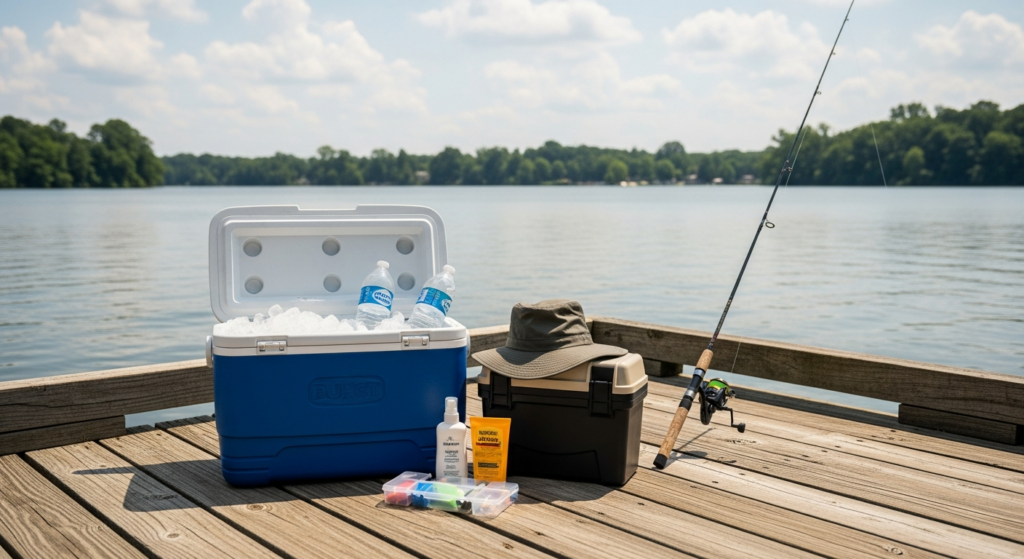
Equipping oneself with essential gear can make a substantial difference in an emergency or unexpected situation. A well-stocked first-aid kit, containing bandages, antiseptics, pain relievers, and any personal medications, is indispensable. Ample water and high-energy snacks are crucial for sustaining energy and hydration. A cooler filled with ice packs can keep drinks and snacks cool, and a portable fan or misting device can offer personal cooling relief. Sunscreen, hats, and sunglasses are, of course, fundamental. A multi-tool or fishing knife can prove invaluable for various tasks. Finally, carrying extra clothing and a lightweight waterproof jacket can prepare anglers for sudden changes in weather or an unexpected dip.
Beyond personal safety, responsible fishing practices are emphasized to ensure the sustainability of Lexington’s aquatic ecosystems. The guide recommends using barbless hooks or crimping hook barbs to minimize harm to fish. When handling fish, wetting hands beforehand is crucial to protect the fish’s protective slime coat. Anglers should avoid touching the gills and eyes and support the fish properly to prevent injury. Limiting the time a fish spends out of water is paramount, especially for catch-and-release. Using a landing net can assist in safely bringing fish aboard. For those wishing to photograph their catch, preparing cameras in advance can reduce the time the fish is out of its element. Adhering to local catch limits and seasonal restrictions is a legal and ethical obligation. Practicing catch and release whenever possible, particularly for larger, breeding-age fish, contributes significantly to maintaining healthy fish populations in Lake Murray and the Saluda River.
Why it matters in Lexington
Lexington’s identity is deeply intertwined with its natural resources, particularly Lake Murray and the Saluda River, which serve as vital hubs for recreation, tourism, and local economy. The safety guidelines outlined are not merely suggestions but critical practices for the thousands of residents and visitors who flock to these waters each summer. Ensuring the well-being of anglers directly impacts the public safety efforts of the Lexington County Government and the Town of Lexington, reducing strain on emergency services and fostering a responsible outdoor culture. Adherence to these practices also safeguards the ecological health of these waterways, preserving them for future generations and supporting the local businesses and communities that depend on them. The continued enjoyment and sustainability of Lexington’s cherished natural assets hinge on the collective commitment to these safety and conservation principles.