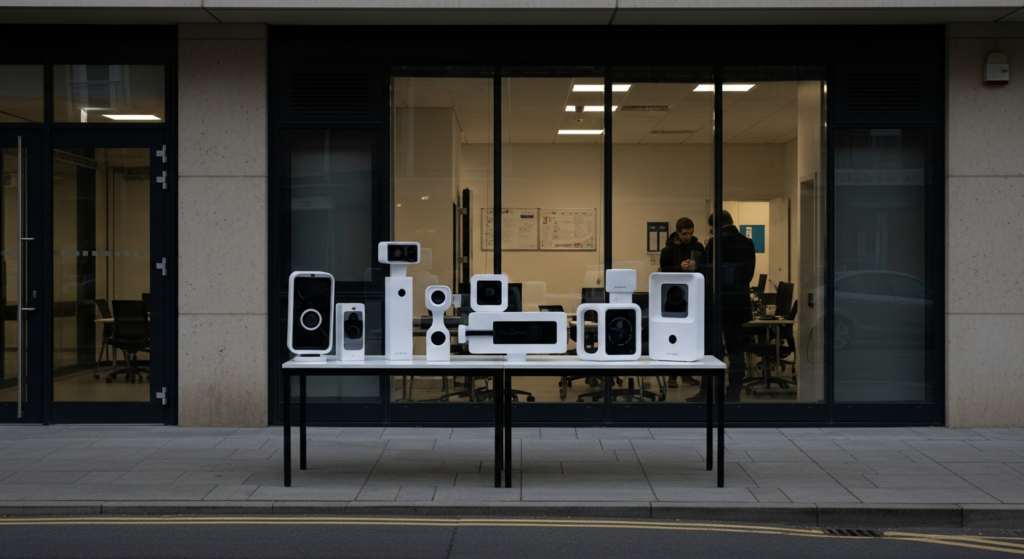
Apple has initiated a trade-secrets lawsuit against OpenAI and two former employees, alleging the misuse of confidential information related to hardware development. The civil complaint, filed recently, seeks court orders and damages, underscoring the intense legal and competitive pressures shaping the rapidly evolving field of artificial intelligence.
The lawsuit centers on claims that proprietary information, developed by Apple, was improperly utilized in connection with hardware projects at OpenAI. While the specifics of the alleged trade secrets have not been fully disclosed in accessible independent coverage, the action signals a significant escalation in the battle for technological advantage and skilled personnel between major players in the tech industry.
This litigation is not a final finding, but rather the initial stage of a legal process where Apple is seeking judicial intervention and financial compensation. The case is expected to delve into the boundaries of intellectual property protection, employee mobility, and the definition of confidential information in a sector where innovation cycles are exceptionally fast and talent is highly sought after.
The allegations against the two former Apple employees, who are now associated with OpenAI’s hardware initiatives, highlight the challenges companies face in safeguarding their research and development efforts. As the demand for specialized expertise in AI hardware continues to surge, the movement of key personnel between competing firms often becomes a flashpoint for disputes over intellectual property rights.
For the broader technology industry, the lawsuit serves as a stark reminder of the legal complexities inherent in developing cutting-edge technologies. Companies are increasingly investing vast resources into AI hardware, which forms the physical backbone for advanced AI models and applications. Protecting these investments, both through patents and trade secret law, is becoming paramount.
The case also brings into focus the competitive hiring practices prevalent in the tech world. As companies like Apple and OpenAI vie for top engineers and researchers, the line between legitimate recruitment and the acquisition of proprietary knowledge can become blurred, leading to legal challenges such as the one now unfolding.
Intellectual property, encompassing everything from algorithms to hardware designs, is often considered the lifeblood of technology companies. The outcome of this lawsuit could set precedents or influence how companies approach the protection of their innovations and how employees navigate their careers when moving between competitive organizations. The potential for such litigation can also influence how companies structure non-disclosure agreements and other contractual obligations for their employees.
The legal proceedings will likely scrutinize the nature of the information allegedly misused, the circumstances under which the employees transitioned to OpenAI, and the extent to which OpenAI may have benefited from any such information. The tech sector, already grappling with regulatory scrutiny and rapid technological shifts, will be closely watching the developments in this high-profile case.
### Why it matters in Lexington
The ongoing legal battle between Apple and OpenAI, while unfolding on a national stage, carries significant implications for Lexington’s burgeoning tech-adjacent economy and its educational institutions. The lawsuit underscores the critical importance of intellectual property protection and the intense competition for skilled talent in the technology sector. For employers in Lexington County, such as Avtec, which operates in manufacturing and technology, and for educational institutions like Midlands Technical College – Lexington/North Lake Center, which prepares students for technical careers, the principles at stake are directly relevant. The case highlights the need for robust policies around proprietary information and ethical hiring practices, influencing how local companies protect their innovations and how future technical professionals are educated about their responsibilities regarding trade secrets. As Lexington continues to foster its economic growth, understanding the dynamics of intellectual property and competitive labor markets in tech becomes increasingly vital for both businesses and the workforce.