As the 2026 hunting season draws nearer, individuals interested in pursuing hunting for the first time are advised to begin their preparations well in advance. A comprehensive approach, encompassing education, legal requirements, and essential gear, is crucial for a safe and ethical experience in the field.
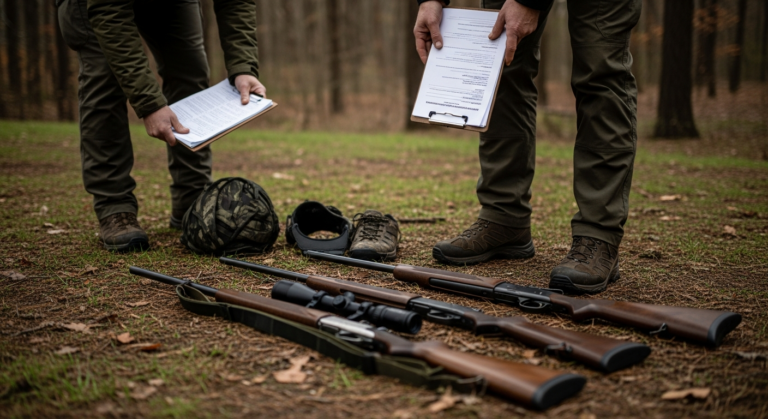
Central to any new hunter’s journey is completing a state-approved hunter education course. These courses are designed to instill fundamental knowledge and skills, covering critical topics such as firearm and archery safety, principles of fair chase, wildlife identification, and safe zones of fire. Participants also learn about survival techniques, basic first aid, and the specific hunting regulations pertinent to South Carolina. These courses can be delivered through traditional classroom instruction combined with a field day, online coursework followed by an in-person field day, or, for adults in some states, entirely online.
Navigating the legal landscape of hunting requires careful attention to detail. Regulations concerning licenses, season dates, permissible weapons, minimum calibers or draw weights, bag limits, and tagging or reporting requirements vary significantly. These rules can differ by state, specific game unit, species, weapon type, and even the animal’s sex or age. While some high-demand hunts may necessitate lottery applications, other tags might be available for over-the-counter purchase. Hunters in Lexington are reminded to consult the latest South Carolina Department of Natural Resources guidelines to ensure full compliance.
Securing legal hunting access is another foundational step. This involves obtaining written or electronic permission when hunting on private land. For those planning to hunt on public lands, it is essential to research and understand any specific restrictions and boundary limitations that may apply. Leaving a detailed itinerary with someone before each hunt is also a recommended safety practice.
Equipping oneself properly is a significant investment for new hunters. The guide outlines approximate costs for entry-level gear. A new entry-level rifle with a basic scope can range from $450 to $800, while a shotgun suitable for deer or small game might cost between $350 and $700. For archery enthusiasts, a compound bow package with accessories typically falls between $400 and $900. Beyond weapons, essential clothing and footwear are critical. Broken-in waterproof boots and layered, non-cotton clothing can cost $200 to $400. Entry-level binoculars are generally priced from $100 to $250. Budget-conscious hunters can often find used or more affordable options for these items.
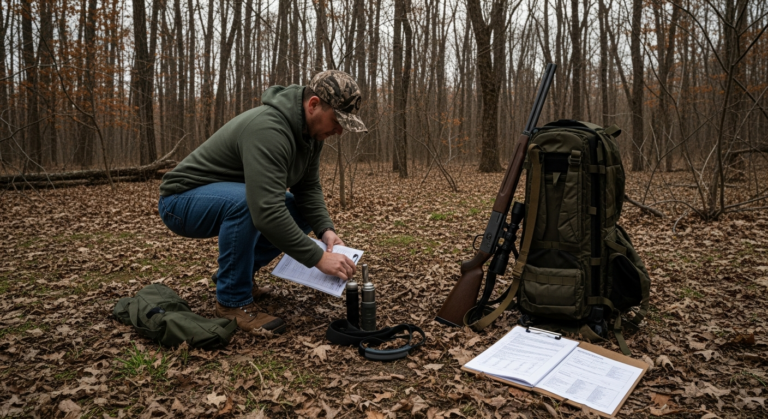
Beyond the primary weapon, a basic gear list includes practice equipment, licenses and tags, and hunter orange clothing where required for visibility. A day pack stocked with water, high-calorie snacks, a headlamp with extra batteries, a knife, and a first-aid kit completes the essential loadout. Consistent practice with one’s chosen weapon is paramount, aiming to achieve a reliable field-position shot before the season begins.
Safety protocols are non-negotiable. Four fundamental firearm safety rules are emphasized: always treat every firearm as if it were loaded, keep the muzzle pointed in a safe direction, keep the trigger finger off the trigger until ready to shoot, and positively identify the target and what lies in front of and beyond it. For those utilizing elevated hunting stands, additional safety measures are critical. These include using a full-body safety harness, a lineman’s belt, a lifeline, thoroughly inspecting the stand before each use, and employing a haul line for raising and lowering unloaded weapons.
After a shot has been taken, hunters are advised to carefully observe the animal’s reaction and mark its last known location. Depending on the situation, waiting an appropriate amount of time before tracking can be beneficial. Tracking should begin at the hit site, slowly following any signs. If tracking becomes difficult, seeking assistance from experienced individuals is prudent. Once the animal is recovered, it must be tagged as required by state regulations. Prompt cooling and cleaning of the meat are essential for preservation, followed by adherence to state rules for carcass or quarter transport.
First hunting seasons often come with a steep learning curve. New hunters should anticipate early mornings, extended periods without seeing game, missed opportunities, and occasional mistakes. The guide frames success not solely as filling a tag, but as the development of safe, legal, ethical, and practical hunting skills. Mentorship from an experienced hunter, when possible, can significantly enhance a beginner’s learning process. Maintaining a hunting journal to record observations on location, wind, weather, and lessons learned can also be an invaluable tool for growth.
Why it matters in Lexington
For many residents of Lexington, the opportunity to engage with the natural environment through activities like hunting is a significant aspect of local culture and recreation. With its proximity to Lake Murray and various tracts of public and private land within Lexington County, the region offers diverse hunting opportunities. Adhering to state regulations and prioritizing safety not only ensures the well-being of individual hunters but also contributes to the responsible management of wildlife populations and the preservation of natural resources for future generations. The principles of ethical hunting, as taught in hunter education courses, are vital for maintaining the integrity of outdoor traditions that are valued in communities like Lexington, fostering a respectful relationship between people and the local ecosystem.