
What Are the Key Factors to Consider When Choosing Roof Drainage Solutions?
Effective roof drainage is critical for the longevity and functionality of any building. The right choice of drainage solution ensures that water is adequately channeled away, protecting the roof structure and its components from potential damage. There are several factors to consider when selecting a drainage system. Here’s a detailed look at these key factors.
1. Roof Design and Size
The design and size of the roof significantly influence the choice of drainage solutions. Flat roofs, sloped roofs, or those with unique architectural features each require different drainage approaches.
Flat Roofs
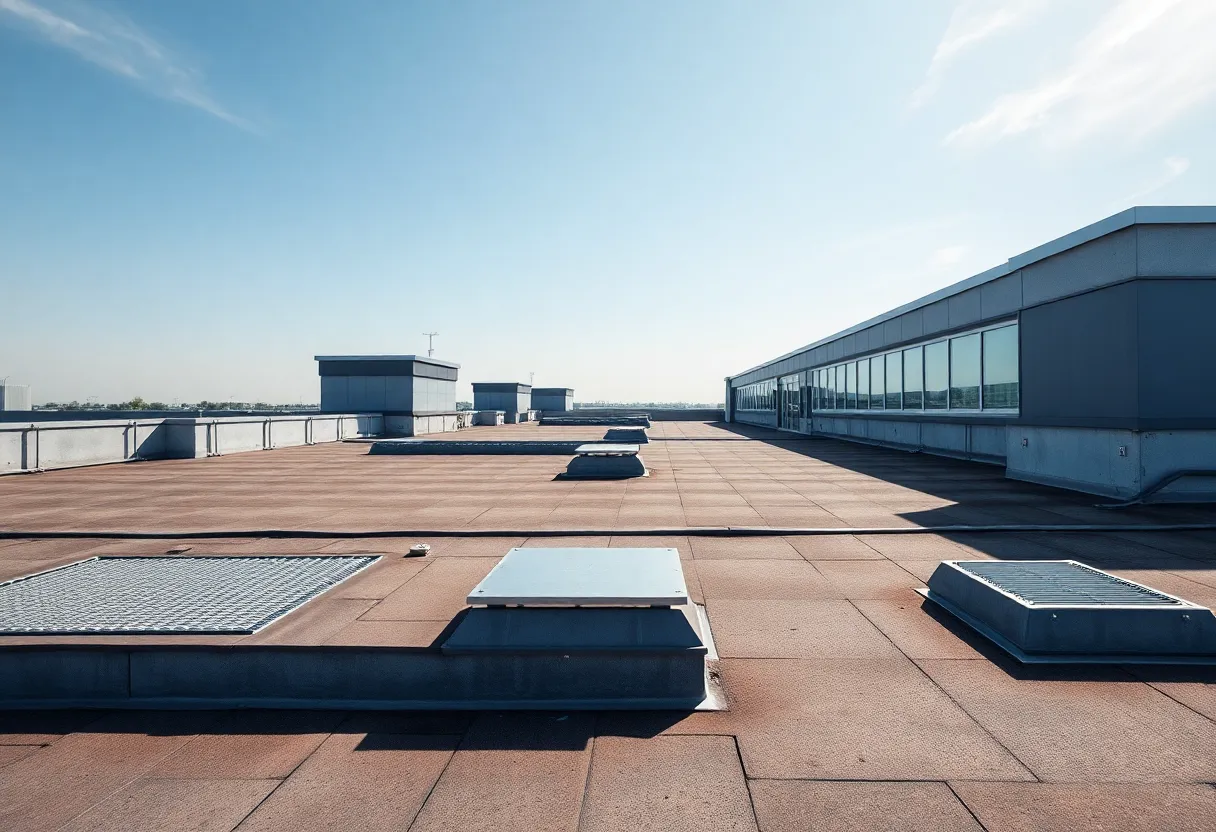
For flat roofs, proper drainage is even more critical due to the minimal slant. Systems such as internal drains, scuppers, and gutters are commonly employed. The number and placement of these elements will depend on the area of the roof and local precipitation rates.
Sloped Roofs
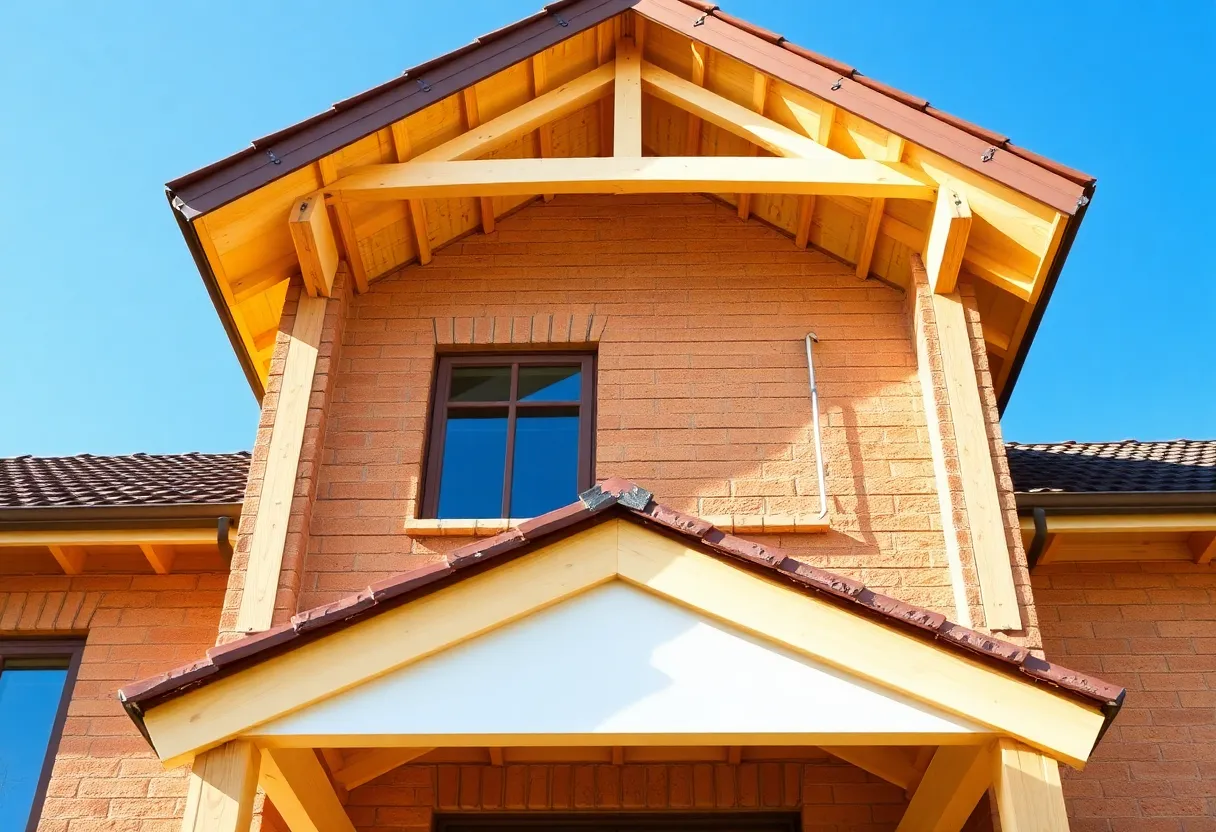
Sloped roofs naturally channel water downwards, which may allow for simpler systems like gutters and downspouts. However, consideration must be given to the roof pitch and materials, as steeper slopes may require more robust systems to manage runoff.
2. Local Climate and Weather Patterns
Understanding **local weather patterns** is crucial when selecting drainage solutions. Regions that experience heavy rainfall, snow, or ice need more robust drainage systems to handle excess water and prevent ice dams.
Rainfall Intensity
Communities with frequent heavy rainfall will benefit from systems designed to manage higher volumes, such as larger pipes or additional drainage outlets.
Snow and Ice
In colder climates, proper drainage solutions must account for snow and ice melt. An effective system will prevent water accumulation caused by melting snow, which could lead to leaks or structural damage.
3. Building Use and Occupancy
The purpose of the building plays a significant role in determining drainage needs. Residential, commercial, and industrial structures may have vastly different requirements.
Residential Buildings
For residential properties, aesthetic considerations may influence decisions. Homeowners often prefer concealed drainage systems that blend into their roofing and landscaping. However, functionality should never be compromised.
Commercial and Industrial Buildings
In commercial settings, the volume of water run-off is usually higher due to larger roof areas. These roofs may require more advanced drainage technologies, including perforated drains or trench drains to handle excess water effectively.
4. Drainage Materials
Choosing the right materials for drainage systems is essential for their effectiveness and longevity. Various materials provide different benefits:
PVC and CPVC
PVC (Polyvinyl Chloride) and CPVC (Chlorinated Polyvinyl Chloride) are popular due to their corrosion resistance, ease of installation, and durability. They are particularly effective in commercial settings where chemical exposure is a concern.
Metal Pipes
Metal pipes, such as copper or galvanized steel, provide excellent durability but may be subject to corrosion over time. Proper maintenance and coating can extend their lifespan, making them suitable for long-term use.
Cast Iron
Cast iron is another material known for its durability. It effectively minimizes noise, making it a favored choice in residential settings. However, its weight and installation complexity can be drawbacks.
5. Maintenance Requirements
Maintenance is another critical aspect when selecting a roof drainage solution. Systems that are harder to access or require specialized tools can lead to missed cleaning opportunities.
Accessibility
Choose systems that allow easy access for regular cleaning and maintenance. Roof drains with removable grates or access points are preferable.
Frequency of Maintenance
Consider how often maintenance will be required. Some systems may require inspection after every significant weather event, while others might only need seasonal checks.
6. Local Codes and Regulations
Before installing roof drainage systems, review local building codes and regulations. Compliance ensures that the system is legal and safe, potentially avoiding future legal issues.
Building Codes
Most areas have regulations dictating the type of roof drainage systems allowed. Understanding these regulations will guide the selection process and guarantee compliance.
Permits
Obtaining the necessary permits before installation is often a legal requirement. Consult with local authorities to ensure all aspects of the roof drainage system adhere to jurisdictional requirements.
7. Cost and Budget
Budget constraints will heavily influence the selection of roof drainage systems. Options vary greatly in price, installation fees, and long-term maintenance costs.
Installation Costs
Installation costs depend on the complexity of the system and the materials used. Flat roofs may incur higher costs due to the need for specialized systems.
Long-Term Investment
Consider the long-term costs associated with maintenance, repairs, and potential replacements. Investing slightly more upfront in a durable system can save significant costs down the line.
8. Environmental Considerations
Environmental impact is becoming increasingly important in construction. Factors such as water conservation and stormwater management should weigh heavily in the decision-making process.
Water-Recycling Systems
Consider integrating systems that allow for rainwater harvesting. This feature helps conserve water and provides a sustainable solution for landscaping or irrigation needs.
Stormwater Management Strategies
Look into drainage solutions that incorporate green infrastructure. Examples include permeable pavers and green roofs, which assist in stormwater management and reduce runoff.
Conclusion
Choosing the right roof drainage solution involves a careful assessment of various factors, including roof design, local climate, regulatory requirements, materials, and budget. Each element plays a vital role in the effectiveness and longevity of the drainage system.
By understanding these key factors, property owners can make informed decisions that not only protect their investments but also contribute to the building’s overall efficiency and sustainability. Take the time to evaluate all options, consult with professionals, and invest wisely in drainage solutions that meet immediate and long-term needs.

Author: STAFF HERE LEXINGTON WRITER
The LEXINGTON STAFF WRITER represents the experienced team at HERELexington.com, your go-to source for actionable local news and information in Lexington, Fayette County, and beyond. Specializing in "news you can use," we cover essential topics like product reviews for personal and business needs, local business directories, politics, real estate trends, neighborhood insights, and state news affecting the area—with deep expertise drawn from years of dedicated reporting and strong community input, including local press releases and business updates. We deliver top reporting on high-value events such as Woodland Art Fair, Crave Food and Music Festival, and Railbird Festival. Our coverage extends to key organizations like Commerce Lexington and Blue Grass Community Foundation, plus leading businesses in education, manufacturing, and technology that power the local economy such as University of Kentucky, Toyota Motor Manufacturing, and Lexmark. As part of the broader HERE network, including HEREBowlingGreen.com and HERELouisville.com, we provide comprehensive, credible insights into Kentucky's dynamic landscape.
 Mays Contracting