
How Do I Know If My Roof Is Energy Efficient?
Understanding the energy efficiency of your roof is crucial for both environmental sustainability and cost savings. An energy-efficient roof can significantly reduce your heating and cooling bills, enhance comfort, and lower your carbon footprint. To determine if your roof is energy efficient, you should evaluate several critical factors detailed below.
1. Roof Material
The type of roofing material you use plays a significant role in energy efficiency. Different materials have varying thermal properties that affect how much heat they retain or reflect.
Common Energy-Efficient Roofing Materials
- Metal Roofing: Highly reflective, metal roofing reflects solar radiation, thus reducing cooling demands.
- Clay and Concrete Tiles: These materials offer excellent thermal mass, absorbing heat during the day and releasing it at night.
- Asphalt Shingles: Look for architectural asphalt shingles with high solar reflectance ratings.
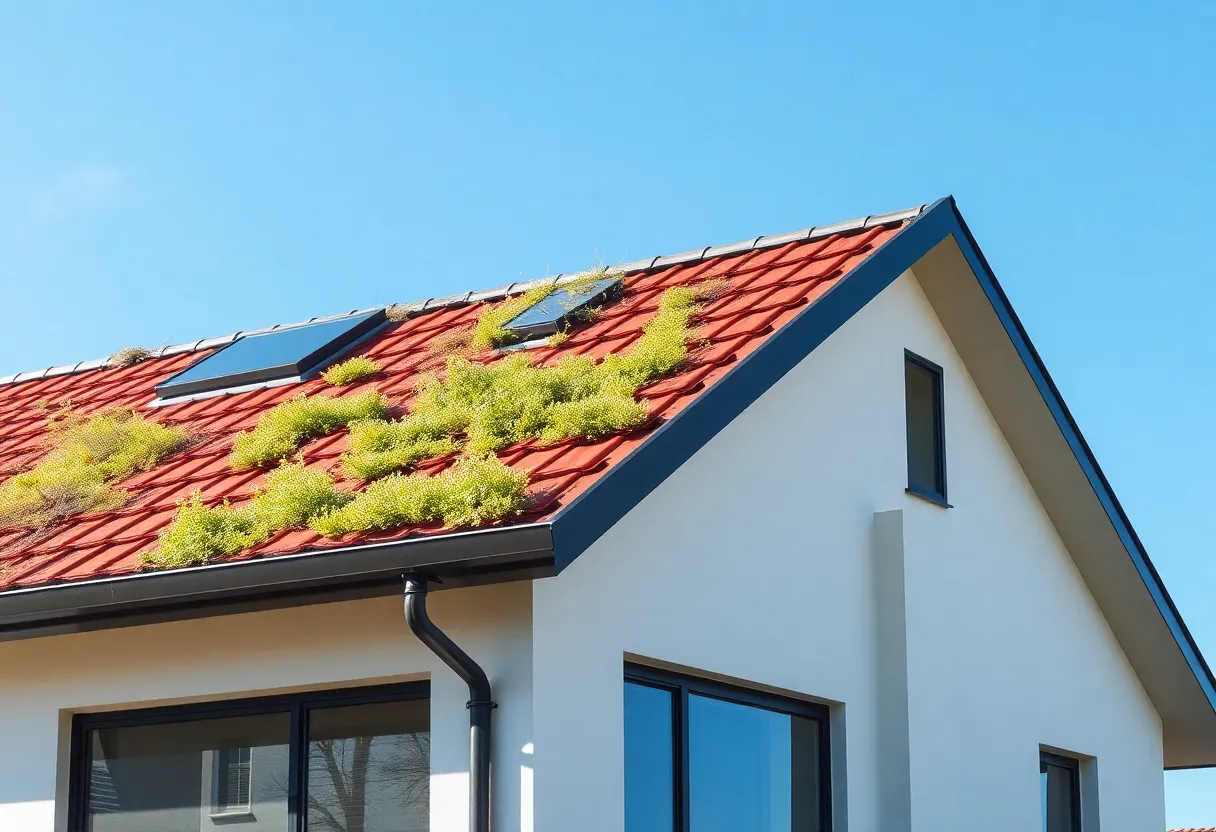
- Green Roofs: Plants absorb heat and provide insulation, making them a highly efficient choice.
Evaluating Your Current Rooftop Material
To assess your roof’s material, check the warranty and specifications. Look for Energy Star certifications. If your roof is aging or is made from less efficient materials, consider replacing or upgrading to more energy-efficient options.
2. Insulation and Ventilation
Another crucial aspect of an energy-efficient roof is the quality of insulation and ventilation within your attic space.
Importance of Insulation
Proper insulation keeps conditioned air inside, which helps manage your home’s temperature. Insulation materials vary in effectiveness. Look for R-values — higher ratings indicate better insulation performance.
Ventilation’s Role
Good ventilation prevents heat buildup, reducing cooling loads on your HVAC system. Ensure there are enough vents to allow air to flow and reduce moisture, which can lead to mold growth and structural damage.
3. Roofing Color
The color of your roof can significantly impact its energy efficiency. Lighter colors reflect more sunlight, which can help keep your home cooler. Conversely, darker roofs absorb heat, potentially increasing cooling costs.
Best Practices for Roof Color
Choose lighter shades, especially in warmer climates. Reflective coatings can also enhance the energy performance of darker roofs. Check for the specific Solar Reflective Index (SRI) values of roofing materials before making a decision.
4. Age and Condition of Your Roof
The age and condition of your roof are directly correlated with its energy performance. Older roofs may have lost their reflective properties or become damaged, resulting in increased energy costs.
Inspection Checklist
- Check for missing or damaged shingles.
- Look for signs of water damage or mold.
- Assess any noticeable dips or unevenness which may suggest structural issues.
Conducting an Energy Audit
An energy audit can provide a detailed analysis of how your roof’s age and condition impact energy efficiency. Professional auditors can identify leaks and other issues not visible during standard inspections.
5. ENERGY STAR and Certification Programs
Look for ENERGY STAR-rated roofing products to ensure optimal energy efficiency. These products have undergone rigorous testing to meet specific performance criteria and can help you save significantly on energy bills.
Leveraging Certifications
Certifications not only indicate quality but may also qualify you for rebates and incentives. Certification programs vary by region and can influence your choice of materials immensely.
6. Local Climate Considerations
Your local climate should inform your decisions regarding roof energy efficiency. Different climates require different considerations regarding insulation, ventilation, and even roofing material.
Key Climate Factors
- Humidity: High humidity commonly requires better ventilation and moisture management.
- Temperature extremes: Areas with significant temperature fluctuations necessitate more robust insulation and materials.
- Solar exposure: Regions with high sun exposure benefit greatly from reflective roofing materials.
7. Long-Term Energy Efficiency Measurements
Evaluate your roof’s performance over time. Track energy bills for noticeable patterns and fluctuations. Energy-efficient roofs should lead to reduced energy consumption and bills.
Seasonal Assessment
During each season, monitor your heating and cooling efficiency. Also, assess any changes needed to maintain the roof’s energy performance as weather conditions change.
Conclusion
Determining if your roof is energy efficient requires evaluating several factors, including roofing materials, insulation quality, color, age, local climate, and certifications. By taking a thorough approach to these aspects, you can ensure that your roof contributes positively to your home’s energy efficiency. Consider consulting with a professional for detailed assessments and recommendations.
Regular inspections and proactive management can lead to better energy efficiency, lower energy bills, and a more sustainable lifestyle.

Author: STAFF HERE LEXINGTON WRITER
The LEXINGTON STAFF WRITER represents the experienced team at HERELexington.com, your go-to source for actionable local news and information in Lexington, Fayette County, and beyond. Specializing in "news you can use," we cover essential topics like product reviews for personal and business needs, local business directories, politics, real estate trends, neighborhood insights, and state news affecting the area—with deep expertise drawn from years of dedicated reporting and strong community input, including local press releases and business updates. We deliver top reporting on high-value events such as Woodland Art Fair, Crave Food and Music Festival, and Railbird Festival. Our coverage extends to key organizations like Commerce Lexington and Blue Grass Community Foundation, plus leading businesses in education, manufacturing, and technology that power the local economy such as University of Kentucky, Toyota Motor Manufacturing, and Lexmark. As part of the broader HERE network, including HEREBowlingGreen.com and HERELouisville.com, we provide comprehensive, credible insights into Kentucky's dynamic landscape.
 Mays Contracting