
How to Successfully Create a DIY Roof Maintenance Plan That Extends Lifespan
A roof is one of the most critical components of a building’s structure. Proper roof maintenance is essential for extending its lifespan, minimizing repair costs, and enhancing energy efficiency. A well-crafted DIY roof maintenance plan ensures that homeowners can effectively manage upkeep tasks without needing to rely on professional services frequently. This article will provide a step-by-step guide to developing an effective roof maintenance plan.
Understanding the Importance of Roof Maintenance
Roof maintenance involves regular inspections and minor repairs to prevent major issues. A neglected roof can lead to various problems, including leaks, mold growth, and structural damage. By establishing a routine maintenance plan, homeowners can:
- Identify and address potential issues early
- Improve the overall lifespan of the roof
- Enhance energy efficiency, keeping heating and cooling costs lower
- Increase property value through consistent care
Step 1: Inspection Frequency and Timing
The first component of your DIY roof maintenance plan is setting a schedule for inspections. Regular inspections help identify problems before they escalate. A good rule of thumb is to inspect your roof at least twice a year, ideally in spring and fall. Additionally, it is crucial to perform an inspection after severe weather events, such as storms or heavy snowfall.
What to Look For During Inspections
During these inspections, focus on the following areas:
- Shingles: Check for missing, cracked, or curled shingles.
- Flashing: Inspect flashing around vents, chimneys, and skylights for rust or damage.
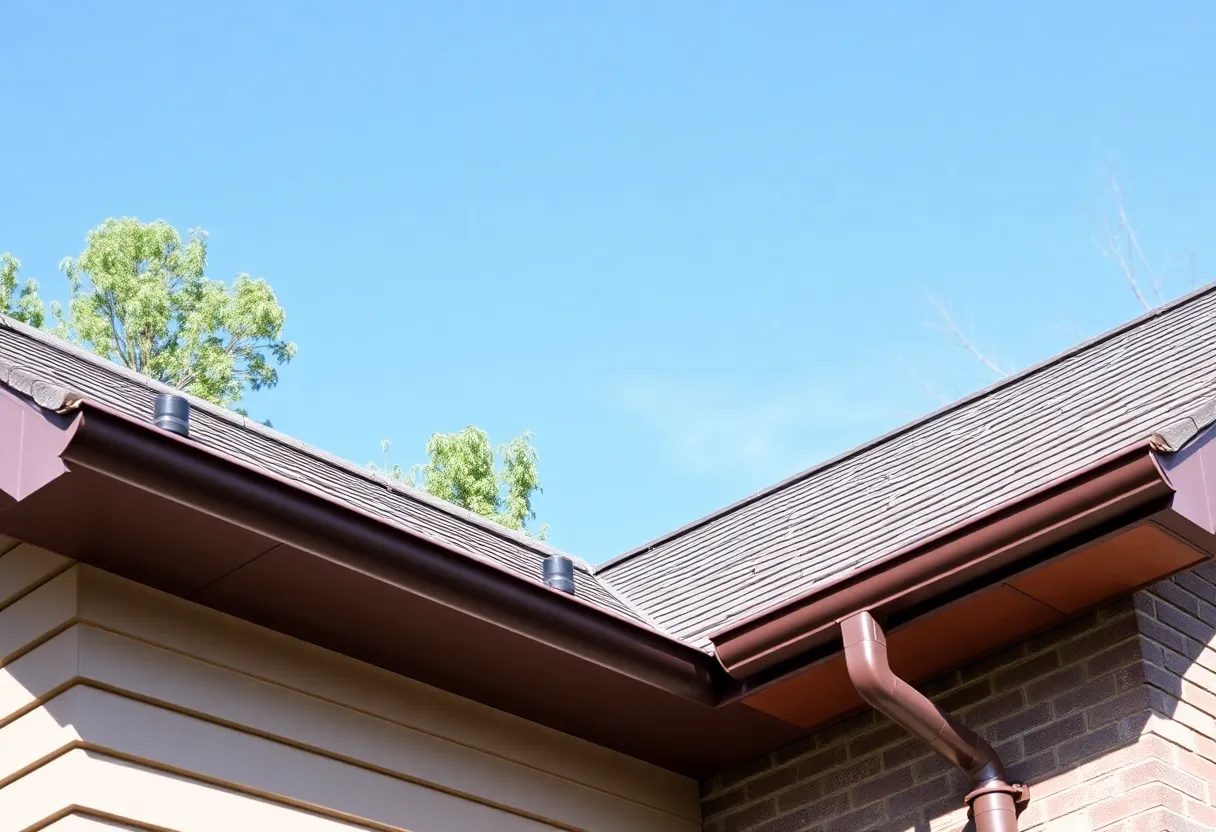
- Gutters and Downspouts: Ensure they are free of debris and correctly directing water away from the roof.
- Interior Ceilings: Look for water stains or any signs of leaks.
Step 2: Cleaning and Debris Removal
Keeping your roof free of debris is essential for maintaining its integrity. Clogged gutters can lead to water pooling on the roof, increasing the risk of leaks and structural damage. Regular cleaning should include:
- Removing leaves, branches, and other debris from the roof surface
- Clearing gutters and downspouts to ensure proper drainage
- Washing away moss and algae buildup, which can hold moisture against the roof
Use a soft-bristled broom or a leaf blower for debris removal. When cleaning, always prioritize safety by using appropriate equipment such as ladders or harnesses if necessary.
Step 3: Repairing Minor Issues
Addressing minor issues as they arise can prevent costly repairs later. Depending on your roof type, some repairs can be conducted safely by homeowners.
Common Repairs to Consider
- Replacing Damaged Shingles: If you notice a few shingles are damaged, replacing them immediately can avert more significant issues.
- Sealing Leaks: Apply roofing sealant to minor leaks or cracks to prevent water intrusion.
- Re-caulking Flashing: Caulk around flashing to seal any gaps and enhance weatherproofing.
If you encounter significant damage, it is advisable to consult a roofing professional.
Step 4: Improve Ventilation
Proper ventilation is essential for a roof’s longevity. It helps regulate temperature and moisture levels, preventing damage from heat or humidity buildup. Ensure that your attic is correctly ventilated by evaluating:
- Soffit and ridge vents are cleared of obstructions.
- Insulation does not block airflow pathways.
- The airflow meets recommended guidelines for your roof type and climate.
Step 5: Seasonal Considerations
Each season brings unique challenges for roof maintenance. Taking seasonal considerations into account ensures a comprehensive plan throughout the year.
Spring Maintenance Tasks
- Inspect for winter damage and perform necessary repairs.
- Clear gutters and downspouts of debris accumulated from winter storms.
- Check and replace any damaged insulation in the attic.
Summer Maintenance Tasks
- Inspect for signs of sun damage, such as curled or faded shingles.
- Ensure proper ventilation to combat heat buildup.
- Address moss or algae growth that may thrive in warmer months.
Fall Maintenance Tasks
- Clean gutters thoroughly before winter to avoid ice dams.
- Inspect flashing and sealant for deterioration due to the summer heat.
- Check for loose shingles or damaged areas following storms.
Winter Maintenance Tasks
- Remain vigilant for ice dam formation, as they can cause significant damage.
- Ensure all gutters and downspouts are clear to facilitate melting snow drainage.
- Inspect the roof periodically during snowfalls to prevent excessive weight and stress.
Step 6: Documenting Maintenance Activities
Maintaining a detailed record of all roof maintenance activities is essential. Documentation should include:
- Inspection dates and notes on findings
- Materials used for repairs and their dates
- Any professional services hired and their expenses
Keeping this documentation not only helps you track the status of your roof but is also valuable for future buyers and can be beneficial for any warranty claims.
Step 7: Budgeting for Roof Maintenance
Establishing a budget for roof maintenance helps manage costs effectively. Include expenses for:
- Tools and materials for DIY repairs
- Professional service fees for inspections or major repairs
- Costs associated with cleaning supplies and safety equipment
Having a dedicated budget eases the financial burden associated with upkeep and allows you to plan for unexpected repairs.
Conclusion
A well-thought-out DIY roof maintenance plan is essential for extending the lifespan of your roof. By creating a routine schedule for inspections, cleaning, repairs, and monitoring seasonal changes, you can proactively safeguard your investment. Always remember to document your activities and budget for maintenance tasks. This will lead to a healthier roof and ultimately benefit your entire property.

Author: STAFF HERE LEXINGTON WRITER
The LEXINGTON STAFF WRITER represents the experienced team at HERELexington.com, your go-to source for actionable local news and information in Lexington, Fayette County, and beyond. Specializing in "news you can use," we cover essential topics like product reviews for personal and business needs, local business directories, politics, real estate trends, neighborhood insights, and state news affecting the area—with deep expertise drawn from years of dedicated reporting and strong community input, including local press releases and business updates. We deliver top reporting on high-value events such as Woodland Art Fair, Crave Food and Music Festival, and Railbird Festival. Our coverage extends to key organizations like Commerce Lexington and Blue Grass Community Foundation, plus leading businesses in education, manufacturing, and technology that power the local economy such as University of Kentucky, Toyota Motor Manufacturing, and Lexmark. As part of the broader HERE network, including HEREBowlingGreen.com and HERELouisville.com, we provide comprehensive, credible insights into Kentucky's dynamic landscape.
 Mays Contracting