


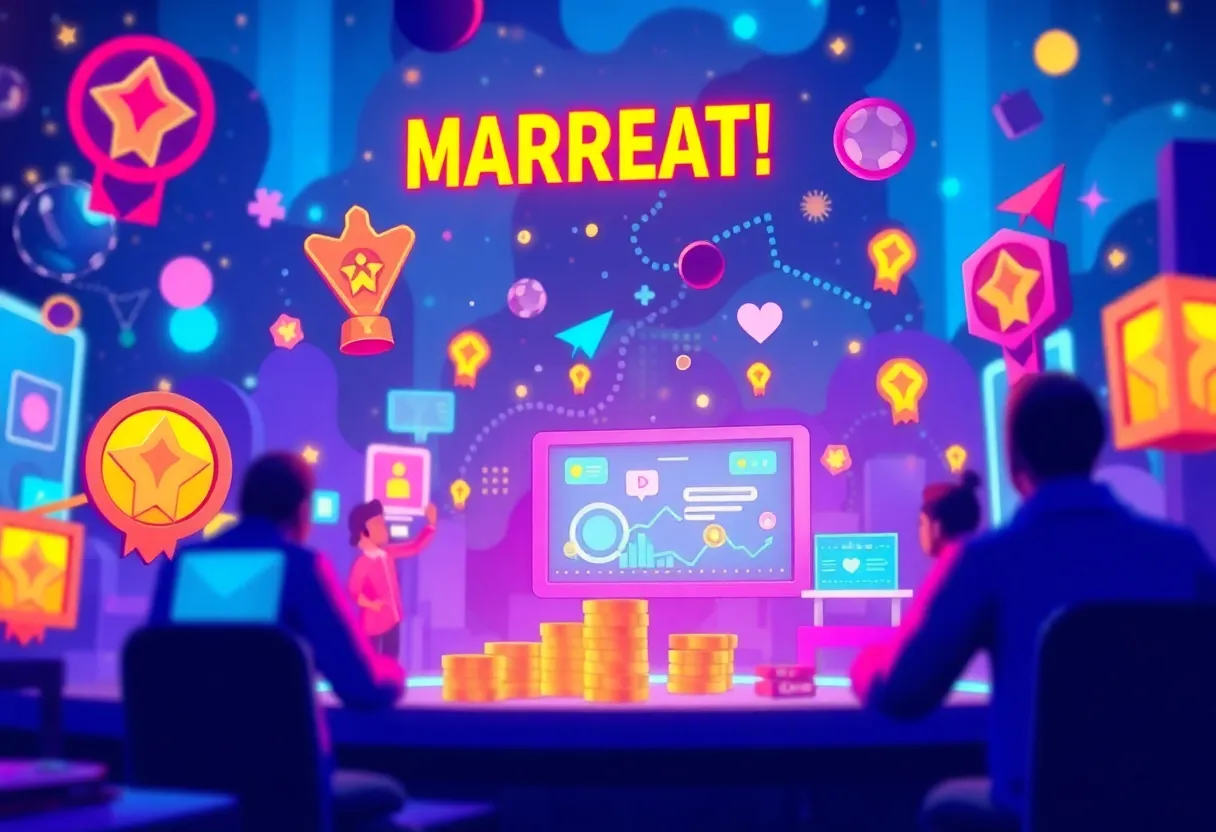
How Can You Use Gamification to Boost Customer Loyalty in Your Digital Marketing Strategy?
In today’s competitive business landscape, fostering customer loyalty is paramount. Digital marketing strategies are evolving, and gamification has emerged as an innovative approach. By introducing game-like elements into marketing tactics, businesses can significantly enhance customer engagement and retention. This article delves into how you can effectively use gamification to boost customer loyalty.
Understanding Gamification
Gamification refers to the application of game-design elements in non-game contexts. This strategy leverages tactics such as point scoring, competition, and rewards to motivate users and encourage participation. It aims to make customer interaction with a brand more engaging and fun. When implemented correctly, gamification can lead to enhanced customer satisfaction and increased loyalty.
Why Gamification Works
The primary reason gamification proves effective in digital marketing is its ability to tap into intrinsic and extrinsic motivation. Users naturally enjoy competition, rewards, and achievements. Gamification addresses this psychology by:
- Creating a sense of achievement: Completing tasks and earning rewards fosters a feeling of accomplishment.
- Encouraging engagement: Game mechanics make interactions enjoyable, prompting users to spend more time with your brand.
- Building community: Competitions and leaderboards can encourage social interactions among users.
Implementing Gamification in Your Digital Marketing Strategy
Define Your Goals
Before incorporating gamification, it’s essential to define your goals. Determine what you want to achieve with gamification, such as increasing customer retention, driving sales, or gaining more engagement on social media. Having clear objectives will guide your strategy and help measure success.
Identify Your Audience
Understanding your audience is crucial. Analyze their preferences, behaviors, and pain points. Tailor the gamification elements to resonate with your customer demographics. Engaging younger audiences may require different techniques than appealing to older customers.
Choose Appropriate Gamification Elements
Select the gamification mechanics that align with your objectives and audience preferences. Popular elements include:
- Points: Users earn points for specific actions, encouraging repeated interactions.
- Badges: These serve as symbols of achievement and recognition, enhancing user status.
- Leaderboards: Publicly display top performers to foster competition among users.
- Challenges: Offer unique tasks or quests that users can attempt to gain rewards.
Designing the User Experience
The design of gamification elements should be intuitive and user-friendly. Ensure that the experience is seamless and does not detract from the primary focus of your digital marketing efforts. A well-designed user interface will enhance participation and enjoyment.
Seamless Integration with Brand Identity
Gamification should integrate smoothly with your brand’s identity. The visuals, language, and overall aesthetics must reflect the values of your brand. This consistency enhances recognition and loyalty among customers.
Leverage Technology
Incorporate technology to enhance the gamification experience. Utilize mobile apps, web platforms, or social media to reach a broader audience. Leverage analytics to track engagement and adjust strategies based on user feedback and behavior.
Examples of Gamification Strategies
Many brands have harnessed the power of gamification effectively. Here are some noteworthy examples:
- Starbucks: Their loyalty program incorporates gamification through a points system, where users earn stars with every purchase, leading to rewards.
- Dunkin’: Users can play games within the app to earn points and coupons, enhancing user engagement and brand loyalty.
- Duolingo: This language-learning app effectively uses gamification by rewarding users for completing lessons and streaks, keeping learners motivated.
Measuring Success
To ensure that your gamification strategy is effective, it is essential to track and measure its success. Monitor key performance indicators (KPIs) such as:
- Engagement rates: Analyze how many users interact with the gamification features.
- Customer retention: Measure the loyalty of existing customers over time.
- Sales growth: Assess how gamification impacts sales and revenue.
- User feedback: Collect qualitative data through surveys or reviews for insight on user experience.
Potential Challenges and How to Overcome Them
While gamification can lead to immense benefits, it’s not without challenges. Some common issues include:
Over-Complication
Too many gamification elements can overwhelm users. Keep the design simple and focused on user experience to enhance participation.
Lack of Engagement
If users find the gamified elements uninteresting, they may disengage. Continuously evaluate and refine your strategy to meet evolving preferences and interests.
Maintaining Balance
Striking the right balance between enjoyment and brand objectives is crucial. Ensure that gamification elements support business goals while providing entertainment.
The Future of Gamification
The adoption of gamification in digital marketing is expected to grow. As technology continues to advance, brands can expect to see innovative gamification strategies emerging, driven by artificial intelligence, augmented reality, and more. As competition heightens, creating engaging customer experiences will become increasingly vital.
Conclusion
Gamification is a powerful tool in boosting customer loyalty through digital marketing strategies. By understanding the principles of gamification, defining clear goals, and implementing tailored experiences, businesses can cultivate a loyal customer base. The potential for enhanced engagement and retention through structured, entertaining elements cannot be underestimated. For companies looking to innovate and differentiate themselves, incorporating gamification into their marketing strategy is a step in the right direction.

Author: STAFF HERE LEXINGTON WRITER
The LEXINGTON STAFF WRITER represents the experienced team at HERELexington.com, your go-to source for actionable local news and information in Lexington, Fayette County, and beyond. Specializing in "news you can use," we cover essential topics like product reviews for personal and business needs, local business directories, politics, real estate trends, neighborhood insights, and state news affecting the area—with deep expertise drawn from years of dedicated reporting and strong community input, including local press releases and business updates. We deliver top reporting on high-value events such as Woodland Art Fair, Crave Food and Music Festival, and Railbird Festival. Our coverage extends to key organizations like Commerce Lexington and Blue Grass Community Foundation, plus leading businesses in education, manufacturing, and technology that power the local economy such as University of Kentucky, Toyota Motor Manufacturing, and Lexmark. As part of the broader HERE network, including HEREBowlingGreen.com and HERELouisville.com, we provide comprehensive, credible insights into Kentucky's dynamic landscape.