
How to Create a DIY Roof Safety Plan: Essential Steps for Every Homeowner
Every homeowner must prioritize safety when working on a roof. A carefully crafted DIY roof safety plan can prevent accidents and ensure a secure working environment. Here, we will outline the essential steps needed to create a comprehensive roof safety plan for your home.
Understanding the Risks
Before delving into the specifics of creating a safety plan, it is crucial to understand the inherent risks associated with roofing work. Common dangers include:
- Slips and falls: Wet surfaces and uneven terrain can lead to injuries.
- Electrocution: Overhead power lines pose a severe threat during roof repairs.
- Falling objects: Tools and materials can fall and injure people below.
- Ladder accidents: Improper ladder use can result in severe injuries.
Step 1: Assess Your Skills and Experience
Evaluate your skills before starting any roofing project. If you lack experience, consider seeking professional help instead. Assess the following:
- Previous roofing experience: Have you worked on roofs before? Understanding your level of expertise is vital.
- Understanding basic safety principles: Familiarize yourself with safety protocols and best practices.
- Physical condition: Assess your physical fitness for working at heights.
Step 2: Gather Safety Equipment
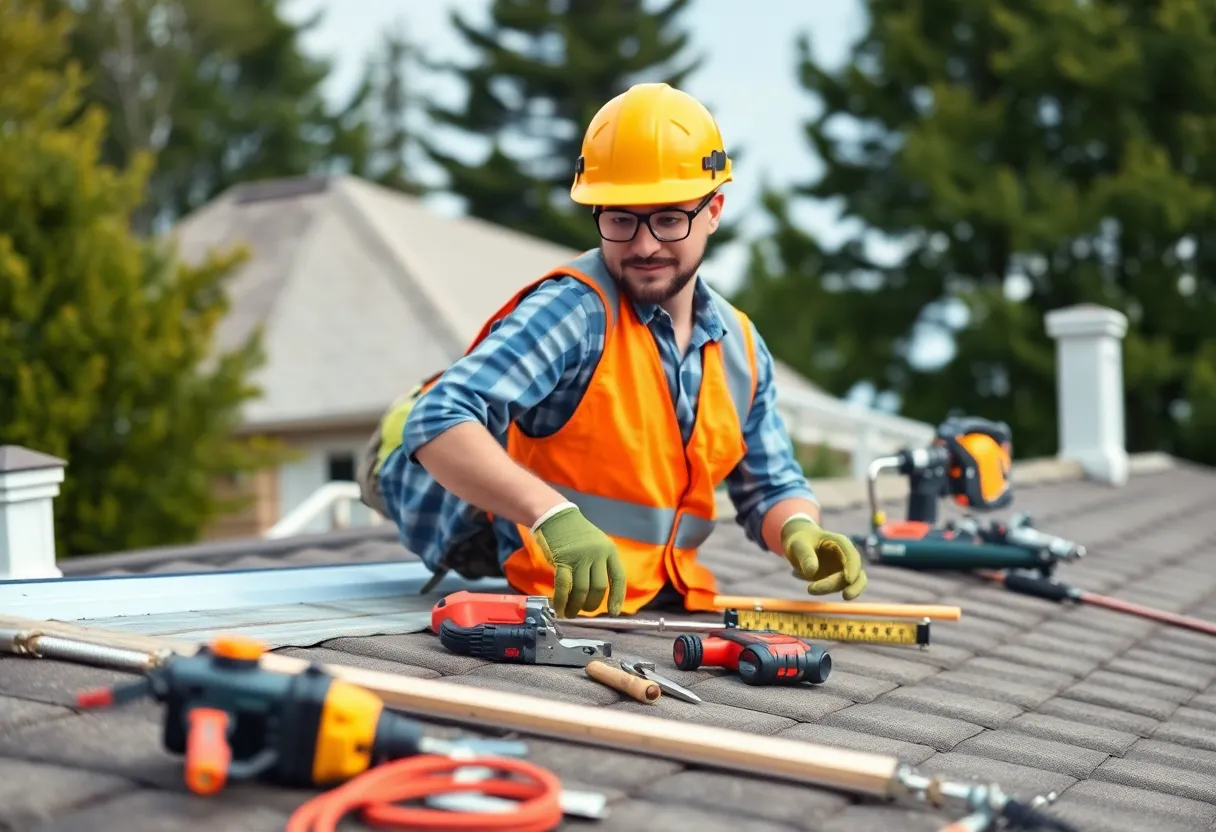
Investing in appropriate safety equipment is a fundamental step in creating your safety plan. Essential items include:
- Hard hats: Protect against falling debris.
- Non-slip footwear: Ensure better traction on slippery surfaces.
- Safety harnesses: Secure yourself to prevent falls.
- Tool belts: Keep tools organized and secure.
- First aid kit: Be prepared for minor injuries.
Step 3: Conduct a Site Assessment
Before beginning any work, perform a thorough assessment of the site. This step will help identify potential hazards, such as:
- Overhead power lines: Be cautious of nearby electrical installations.
- Weather conditions: Avoid working during inclement weather.
- Roof integrity: Inspect for damage before climbing.
Evaluating the Surrounding Area
Do not overlook the surrounding environment. Determine:
- Access paths: Ensure clear routes for equipment and personnel.
- Ground stability: Ensure the ground is firm to support ladders and materials.
- Traffic zones: Identify areas where individuals may be at greater risk of injury.
Step 4: Create a Clear Action Plan
Outline your roofing project step-by-step. Include tasks such as:
- Ladder safety: Specify the proper use of ladders and how many people should be on the roof.
- Material handling: Designate safe methods for lifting and carrying materials.
- Emergency procedures: Establish protocols for potential accidents or injuries.
Emergency Contact Information
Collect contact information for:
- Emergency services: 911 or your local emergency number.
- Family members: Ensure someone knows your plan.
- Local hospitals: Identify nearby medical facilities in case of emergencies.
Step 5: Educate Others Involved
Inform everyone involved in the roofing project. Ensure they understand the safety plan and any specific roles they may have. Conduct a brief safety meeting to cover:
- Safety protocols: Review the safety measures outlined in your plan.
- Roles and responsibilities: Clarify who does what during the project.
- Emergency responses: Discuss how to handle potential accidents.
Step 6: Monitor and Adapt
As the project unfolds, continue to monitor the work environment. Be prepared to adapt your safety plan based on:
- Changing conditions: Address weather changes or unexpected hazards.
- New team members: Brief newcomers about safety protocols.
- Feedback: Encourage team members to voice safety concerns.
Final Considerations
A DIY roof safety plan is essential for any homeowner planning to undertake roofing work. Consider the following before starting your project:
- Local regulations: Be aware of any laws or codes affecting roofing work.
- Insurance coverage: Verify your home insurance policy covers accidents related to DIY work.
- Professional help: Don’t hesitate to hire professionals if the project seems too complex or dangerous.
Conclusion
Creating a DIY roof safety plan is not just a guideline; it is a commitment to ensuring safety for everyone involved in your project. By following the steps detailed in this article, homeowners can take significant strides towards a secure and effective roofing experience. Prioritize preparation, education, and vigilance to minimize risks associated with roofing work.

Author: STAFF HERE LEXINGTON WRITER
The LEXINGTON STAFF WRITER represents the experienced team at HERELexington.com, your go-to source for actionable local news and information in Lexington, Fayette County, and beyond. Specializing in "news you can use," we cover essential topics like product reviews for personal and business needs, local business directories, politics, real estate trends, neighborhood insights, and state news affecting the area—with deep expertise drawn from years of dedicated reporting and strong community input, including local press releases and business updates. We deliver top reporting on high-value events such as Woodland Art Fair, Crave Food and Music Festival, and Railbird Festival. Our coverage extends to key organizations like Commerce Lexington and Blue Grass Community Foundation, plus leading businesses in education, manufacturing, and technology that power the local economy such as University of Kentucky, Toyota Motor Manufacturing, and Lexmark. As part of the broader HERE network, including HEREBowlingGreen.com and HERELouisville.com, we provide comprehensive, credible insights into Kentucky's dynamic landscape.
 Mays Contracting