

News Summary
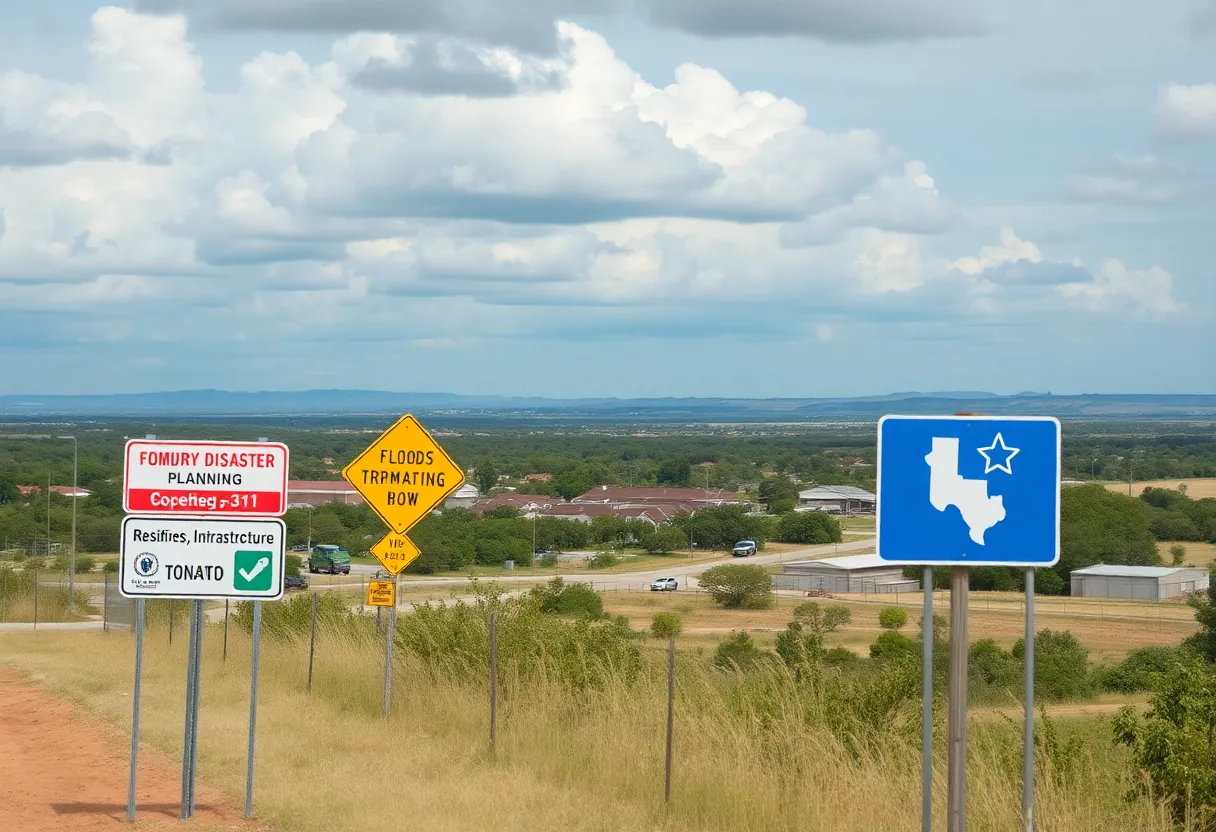
As Texas recovers from recent floods, experts stress the importance of disaster preparedness. Updated risk assessments highlight the need for proactive measures against floods, droughts, wildfires, and tornadoes, particularly as climate patterns evolve. Tools like the Natural Hazards Index can help communities understand vulnerabilities and improve resilience. Ongoing education in risk management is vital to protect lives and property in the face of increasing natural hazards.
Texas Communities Face Increased Risk from Natural Disasters
As Texas continues to recover from recent devastating floods, experts emphasize the importance of being prepared for natural disasters. While it is impossible for households to fully eliminate the risks associated with such events, several proactive steps can reduce the financial and emotional burden caused by these disasters.
Financial experts and disaster preparedness advocates are urging Texans to consider new guidelines that help communities plan for the likelihood of natural hazards. Continuous updates and research are essential in adapting responses to these ever-evolving threats. In collaboration with the Columbia Climate School and AllianceBernstein, the Natural Hazards Index (NHI) has been updated to reflect new projections and assessments of risk factors across various regions.
Key Findings from the Natural Hazards Index
The updated NHI 3.0 identifies four major natural hazards that are likely to evolve and impact communities in the future: floods, droughts, wildfires, and tornadoes. Recent projections indicate a rising frequency of wildfires in areas previously considered low-risk, such as Minnesota and South Dakota, while regions like Southern California and Washington State will experience even more severe wildfire events. Additionally, new tornado pattern analyses suggest an expanded risk area, moving beyond the well-known Midwest tornado ‘alley’ and extending into states further east.
According to the NHI, interactions between different types of hazards could have significant implications for local communities. For instance, while Louisiana may see fewer wildfires in the coming years, the state is expected to face increased hurricane activity, which can lead to intensified flooding. Understanding these dynamics is critical for enhancing disaster preparedness and response.
Tools for Risk Assessment and Management
To aid in addressing these risks, the Physical Hazard Investment Risk (PHIR) tool from AllianceBernstein has incorporated elements from NHI 3.0 to provide an assessment of climate-related vulnerabilities affecting over 3,100 U.S. counties. This tool is particularly useful for evaluating risk exposures associated with municipal bonds and residential mortgage-backed securities. Local businesses operating in multiple locations are advised to comprehend specific local risks to better navigate operational challenges linked to natural disasters.
Engaging industry leaders on adapting strategies in response to evolving wildfire risks and other hazards is crucial for mitigating potential negative impacts. In a changing climate, understanding and actively managing risks is an integral part of ensuring community resilience and protecting valuable assets.
The Importance of Preparedness
Though natural hazards will inevitably evolve over time, knowledge of the data related to these risks is fundamental for effective decision-making surrounding investments and risk management. The implementation of innovative predictive analysis tools is projected to not only save lives but also protect properties in the face of increasing climate unpredictability.
As communities in Texas and around the United States grapple with the aftermath of severe weather incidents like flooding, the focus on effective disaster preparedness has never been more critical. Developing a comprehensive understanding of local risks and how to mitigate them will better equip households and businesses for future natural disasters, fostering more resilient communities as they face tomorrow’s challenges.
Deeper Dive: News & Info About This Topic
HERE Resources
Severe Storms Leave Heartbreak and Destruction Across Multiple States
Severe Tornado Outbreak Creates Chaos Across the South and Midwest
Tax Deadlines Approaching for Small Businesses in Disaster Areas
Additional Resources
- ABC Columbia: Preparing for Natural Disasters
- Wikipedia: Natural Disaster
- AllianceBernstein: Investment Decisions and Natural Hazards
- Google Search: Natural Disasters
- Columbia Missourian: America is Becoming Less Ready for Natural Disasters
- Encyclopedia Britannica: Natural Disaster
- NBC Right Now: Flood Advisory in Effect for Walla Walla
- Google News: Natural Disasters


Author: STAFF HERE LEXINGTON WRITER
The LEXINGTON STAFF WRITER represents the experienced team at HERELexington.com, your go-to source for actionable local news and information in Lexington, Fayette County, and beyond. Specializing in "news you can use," we cover essential topics like product reviews for personal and business needs, local business directories, politics, real estate trends, neighborhood insights, and state news affecting the area—with deep expertise drawn from years of dedicated reporting and strong community input, including local press releases and business updates. We deliver top reporting on high-value events such as Woodland Art Fair, Crave Food and Music Festival, and Railbird Festival. Our coverage extends to key organizations like Commerce Lexington and Blue Grass Community Foundation, plus leading businesses in education, manufacturing, and technology that power the local economy such as University of Kentucky, Toyota Motor Manufacturing, and Lexmark. As part of the broader HERE network, including HEREBowlingGreen.com and HERELouisville.com, we provide comprehensive, credible insights into Kentucky's dynamic landscape.