

How to Safely Inspect Your Roof: A Step-by-Step Guide for DIY Enthusiasts
Inspecting your roof is an essential part of home maintenance. A well-maintained roof protects your home from the elements and increases its value. However, a roof can be dangerous to inspect without proper precautions. This guide will provide you with effective steps to safely inspect your roof.
Assessing the Need for a Roof Inspection
Before climbing on your roof, determine whether an inspection is necessary. Common signs of roof issues include:
- Missing or damaged shingles
- Water stains on ceilings and walls
- Mold or mildew growth
- Granules in gutters
- Damaged flashing seals
If any of these signs are present, it is prudent to conduct an inspection.
Preparation for Your Inspection
Gather Necessary Tools
Before starting the inspection, gather the following tools:
- Ladder
- Safety harness
- Roofing gloves
- Tape measure
- Camera or smartphone (for documentation)
- Binoculars (for distant observations)
Check the Weather
Choose a clear day for the inspection. Rain or strong winds can make the roofing surface slippery and hazardous. Inspecting during daylight hours allows you to see better and spot issues more efficiently.
Dress Appropriately
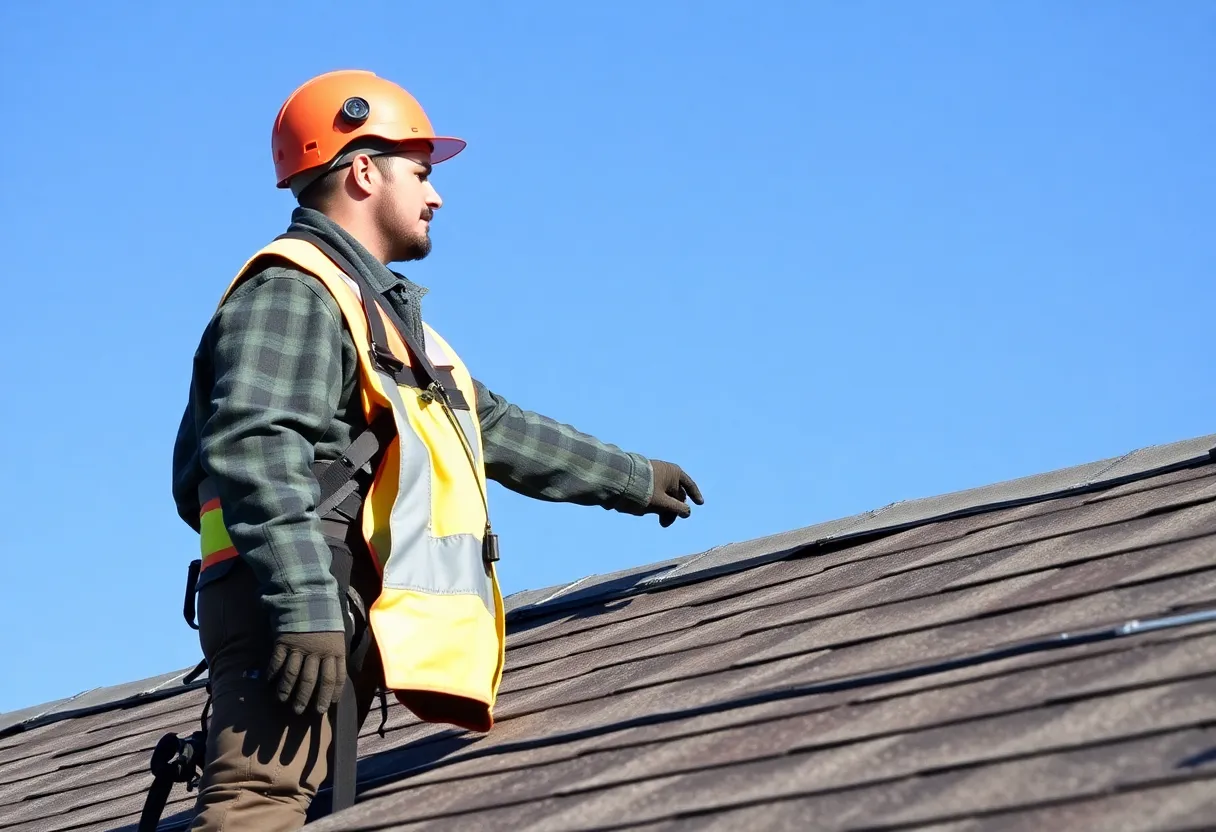
Wear sturdy shoes with non-slip soles and durable, weather-appropriate clothing. A hard hat is also recommended to protect against falling debris.
Safe Ladder Practices
Choose the Right Ladder
Select a ladder that extends at least three feet past the edge of the roof. Ensure it is stable and positioned on firm ground. A ladder stabilizer can enhance safety.
Climbing Techniques
Always maintain three points of contact with the ladder while climbing. Keep your body centered between the rails and use both hands to grip the rungs. Avoid leaning to one side.
Conducting the Roof Inspection
Visual Analysis from Ground Level
Begin your inspection by examining the roof from the ground. Use binoculars to look for:
- Deteriorating shingles
- Visible sagging in the roofline
- Debris accumulation
Document any concerns before proceeding to the ladder.
Thorough Roof Inspection
Once you’re on the roof, perform a detailed inspection by following these steps:
1. Examine Shingles
Check for curling, cracking, or missing shingles. Pay close attention to areas around chimneys and vents where leaks commonly occur.
2. Assess Flashing and Seals
Inspect the flashing around chimneys, vents, and skylights for signs of rust or damage. Ensure seals are intact to prevent leaks.
3. Look for Algae and Moss
Check for growth of algae or moss, which can retain moisture and lead to shingle deterioration. Remove any growth carefully to prevent damage.
4. Inspect Gutters and Downspouts
Ensure gutters and downspouts are clear of debris. Clogged gutters can cause water backup, increasing the risk of roof damage.
5. Check for Pests
Look for signs of pests such as small holes in shingles or droppings. Infestations can compromise the integrity of your roof.
Document Findings
Use your camera or smartphone to take photos of any issues. This documentation can be valuable for future reference or when consulting with professionals.
Post-Inspection Procedures
Addressing Minor Repairs
If you are comfortable with minor repairs, you can address issues such as replacing missing shingles or resealing flashing. Always follow proper safety protocols when performing any work on your roof.
Consulting a Professional
For major repairs or if you encounter any safety concerns, consult a professional roofing contractor. They can provide expert advice and ensure your roof is maintained properly.
Conclusion
Inspecting your roof is a practical and beneficial task that allows homeowners to detect potential issues early. By following this step-by-step guide, you can safely conduct an inspection and keep your roof in optimal condition. Always prioritize your safety while performing these inspections, and do not hesitate to enlist professional help when necessary.

Author: STAFF HERE LEXINGTON WRITER
The LEXINGTON STAFF WRITER represents the experienced team at HERELexington.com, your go-to source for actionable local news and information in Lexington, Fayette County, and beyond. Specializing in "news you can use," we cover essential topics like product reviews for personal and business needs, local business directories, politics, real estate trends, neighborhood insights, and state news affecting the area—with deep expertise drawn from years of dedicated reporting and strong community input, including local press releases and business updates. We deliver top reporting on high-value events such as Woodland Art Fair, Crave Food and Music Festival, and Railbird Festival. Our coverage extends to key organizations like Commerce Lexington and Blue Grass Community Foundation, plus leading businesses in education, manufacturing, and technology that power the local economy such as University of Kentucky, Toyota Motor Manufacturing, and Lexmark. As part of the broader HERE network, including HEREBowlingGreen.com and HERELouisville.com, we provide comprehensive, credible insights into Kentucky's dynamic landscape.
 Mays Contracting