
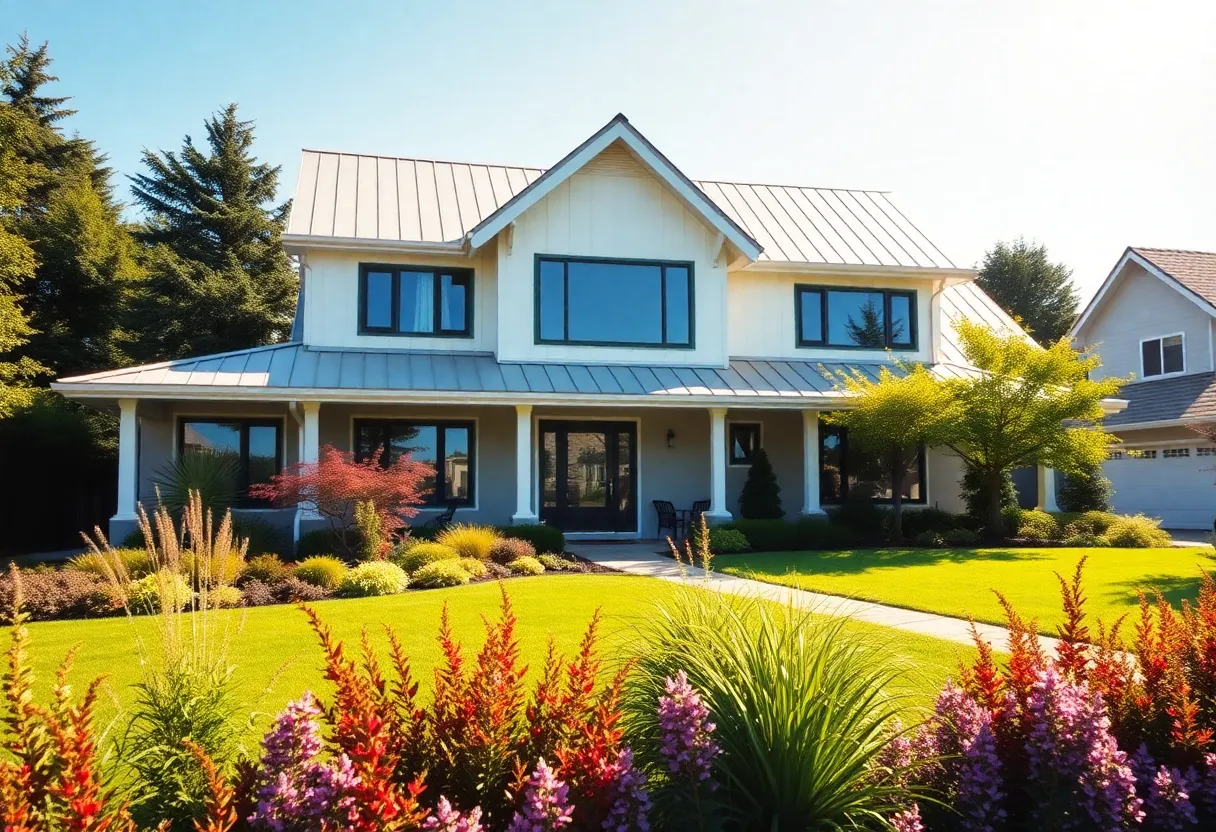
How to Effectively Choose Roof Colors for Energy Efficiency and Curb Appeal
Introduction
Choosing the right roof color is a crucial decision for homeowners. It impacts not only the overall aesthetics of a home but also energy efficiency. Selecting a color carefully can increase curb appeal while minimizing energy costs.
Understanding the Impact of Roof Color on Energy Efficiency
The color of your roof plays a significant role in managing heat retention. Lighter colors reflect sunlight, whereas darker colors absorb it. This characteristic is vital for energy efficiency.
Light vs. Dark Roof Colors
A light-colored roof can significantly reduce energy costs. It reflects a substantial amount of sunlight, which keeps the building cooler, particularly in hot climates. Dark roofs, on the other hand, absorb heat, potentially leading to increased air conditioning use.
According to studies, light-colored roofs can lower cooling costs by up to 30%. This statistic underscores the importance of considering local climate when selecting a roof color.
Climate Considerations
Before choosing a roofing color, assess your local climate.
- Warm Climates: Opt for lighter colors to reflect heat.
- Cool Climates: Darker colors may be beneficial as they retain heat.
Understanding the climate can guide your decision-making process in selecting the roof color that optimizes energy efficiency.
The Role of Curb Appeal
Curb appeal enhances property value and immediate visual impact. The roof is a prominent element of this appeal. Color choices can significantly affect how a property is perceived.
Complementing Exterior Colors
When selecting a roof color, consider the existing exterior colors. Aim for harmony.
- Neutral Exteriors: Choose bold roof colors for contrast.
- Bold Exteriors: Select muted roof colors to maintain balance.
Always take into account the materials of other architectural elements, such as siding and trim.
Use of Color Theory
Incorporate color theory principles. Consider the emotional and psychological effects of certain colors.
- Blue: Often associated with calm and stability.
- Green: Evokes nature and tranquility.
- Red: Stands out and conveys excitement.
These associations affect how potential buyers perceive properties.
Material Matters
Different roofing materials behave differently under various colors. Here are some typical materials and their compatibility with color choices.
Asphalt Shingles
Asphalt shingles are popular due to their affordability and variety of colors. Lighter shades can enhance energy efficiency, while darker shades can offer durability against harsh weather conditions.
Metal Roofing
Metal roofs can be pre-painted, offering excellent reflectivity. Select lighter colors for energy efficiency. They also come in a variety of styles, adding to curb appeal.
Tile Roofing
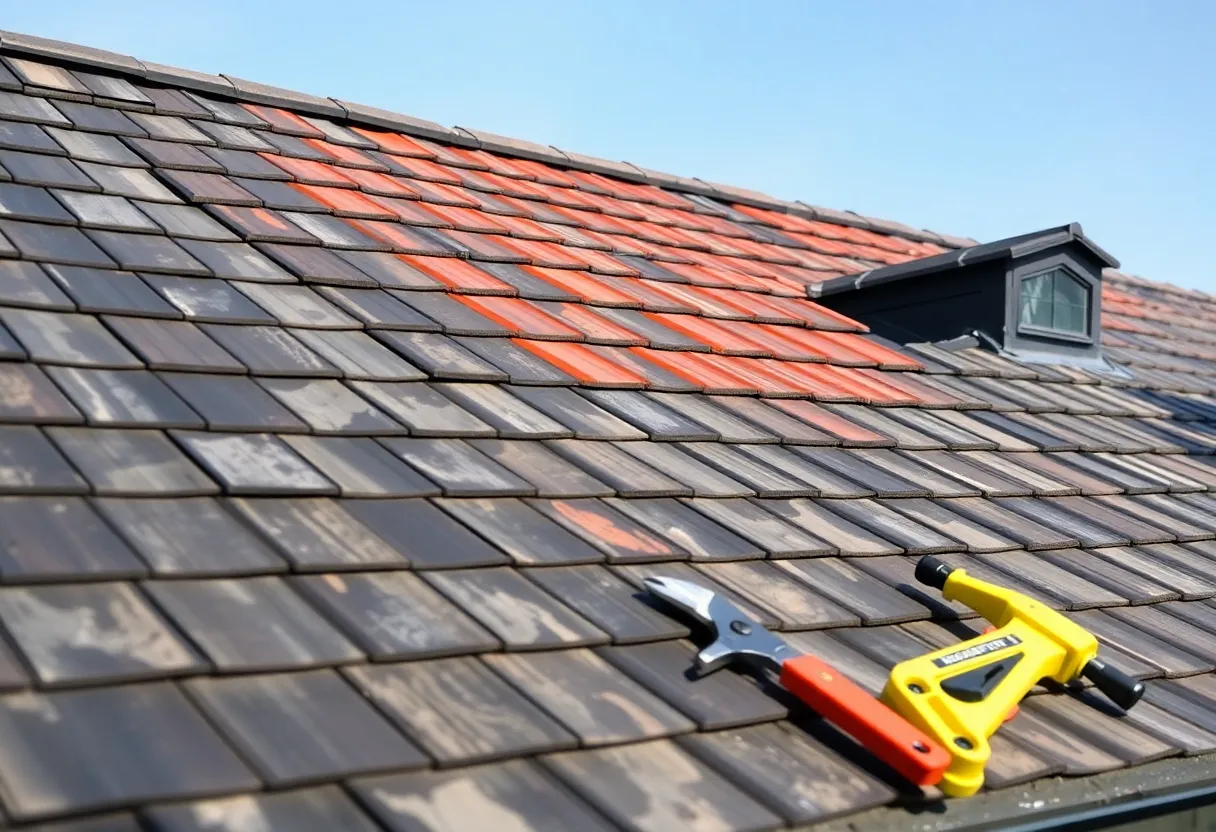
Tile roofs are known for durability and insulation properties. Lighter tile shades reflect sunlight, whereas darker tiles may contribute to greater heat absorption.
Testing Roof Colors
Before committing to a specific color, conduct tests.
- Sample Swatches: Place color swatches on your roof to see how they look in different lighting conditions.
- Consider Roof Angle: The pitch of the roof can affect the appearance of color.
Evaluate the colors at various times of the day to ensure satisfaction with the choice.
Energy-Efficient Roofing Solutions
Consider more than color; explore materials known for energy efficiency.
Cool Roofing Systems
Cool roofs are designed to reflect more sunlight and absorb less heat. These roofs typically come in lighter colors or reflectivity-enhanced options.
Green Roofing
A green roof allows for vegetation growth, which adds insulation and cooling effects. This option does have aesthetic and energy benefits.
Conclusion
Choosing the right roof color blends energy efficiency with curb appeal. A careful selection can yield long-term benefits. Be sure to assess climate, building materials, and design aesthetics to find the perfect fit for your home.
FAQs
What is the best roof color for hot climates?
Opt for lighter colors to reflect heat and reduce cooling costs.
How does roof color affect energy efficiency?
Lighter colors reflect sunlight while darker colors absorb it, impacting cooling and heating costs.
What materials contribute to energy-efficient roofing?
Consider cool roofing systems or materials like metal, tile, and reflective asphalt shingles.
How can color theory inform roof color choices?
Color theory connects colors to emotions, influencing perceptions of stability, excitement, and tranquility.
What steps should I take before selecting a roof color?
Evaluate climate, existing exterior colors, and test sample swatches under various lighting conditions.

Author: STAFF HERE LEXINGTON WRITER
The LEXINGTON STAFF WRITER represents the experienced team at HERELexington.com, your go-to source for actionable local news and information in Lexington, Fayette County, and beyond. Specializing in "news you can use," we cover essential topics like product reviews for personal and business needs, local business directories, politics, real estate trends, neighborhood insights, and state news affecting the area—with deep expertise drawn from years of dedicated reporting and strong community input, including local press releases and business updates. We deliver top reporting on high-value events such as Woodland Art Fair, Crave Food and Music Festival, and Railbird Festival. Our coverage extends to key organizations like Commerce Lexington and Blue Grass Community Foundation, plus leading businesses in education, manufacturing, and technology that power the local economy such as University of Kentucky, Toyota Motor Manufacturing, and Lexmark. As part of the broader HERE network, including HEREBowlingGreen.com and HERELouisville.com, we provide comprehensive, credible insights into Kentucky's dynamic landscape.
 Mays Contracting