
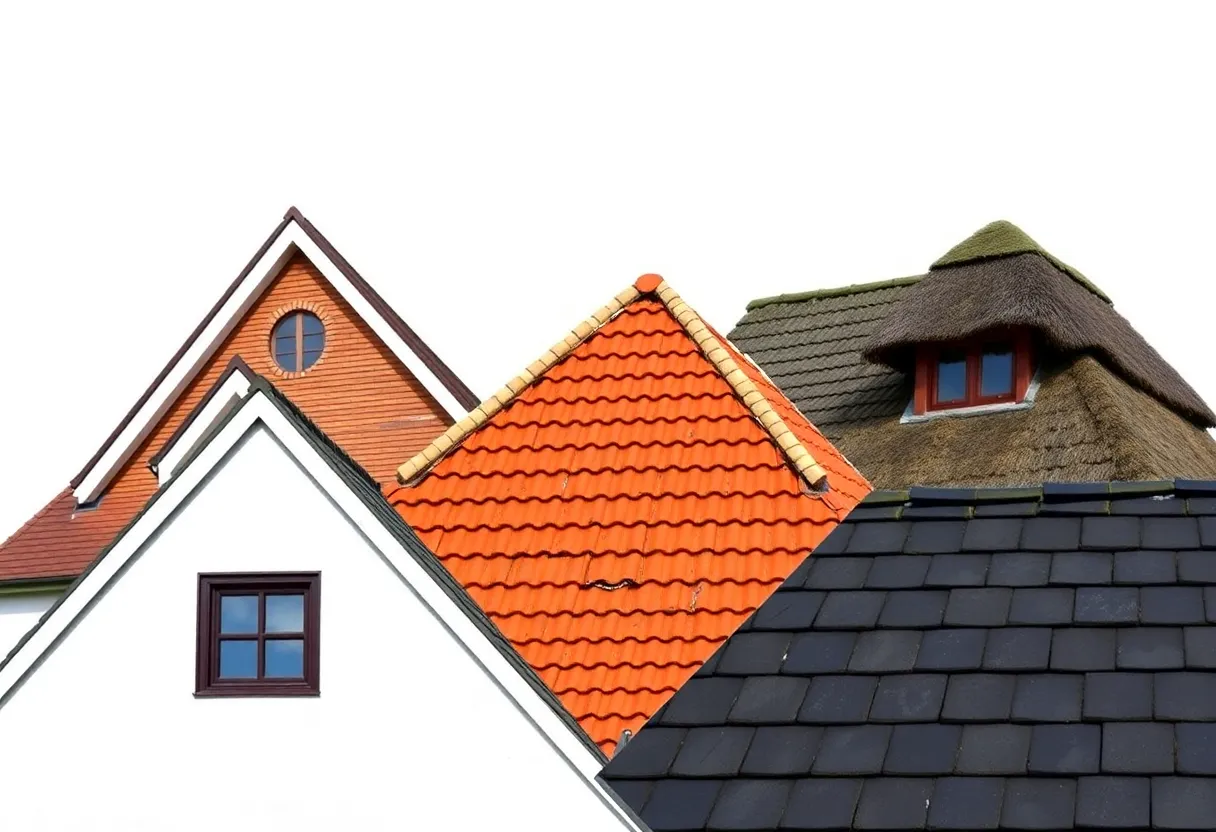
How to Choose the Right Roof Type for Your Home’s Functionality and Style
The roof of your home is a critical component that impacts its overall look, functionality, and longevity. Making the right choice requires a detailed understanding of various roofing types and their characteristics. This informative guide will help you navigate the decision-making process, ensuring you select a roof type that suits your home’s functionality and architectural style.
Understanding Your Home’s Functional Needs
Before choosing a roof type, assess your home’s specific needs. Different roofing styles serve various functional purposes:
Weather Resistance
If you live in an area prone to harsh weather conditions such as heavy rain, snow, or high winds, **selecting a reliable roofing material** is crucial. Materials like asphalt shingles, metal roofing, or clay tiles are known for their durability against weather elements.
Energy Efficiency
Your roof can significantly influence your home’s energy consumption. Consider roofing materials that offer good insulation properties. Metal roofs, for instance, reflect solar heat, which can help maintain comfortable indoor temperatures.
Maintenance and Longevity
Some roof types require more maintenance than others. For example, **wood shingles** need regular treatment to resist rot and insect damage, whereas metal roofs are generally low-maintenance and can last upwards of 50 years.
Assessing Architectural Styles
The roofing style you choose should complement your home’s architectural design. Here’s how different roof types align with various styles:
Traditional Styles
For colonial or Victorian homes, **a gable roof** is often the preferred choice. This design not only offers a classic aesthetic but also allows for effective drainage and ventilation.
Modern Styles
Homes with a contemporary design often benefit from flat or low-slope roofs. These types create a sleek, minimalist appearance and can be used for rooftop gardens or terraces.
Rustic and Natural Styles
For country-style or rustic homes, **a thatched roof** or wood shingles can create an inviting, natural look that complements the surrounding landscape. This aligns well with homes that strive for an eco-friendly aesthetic.
Exploring Different Roof Types
There are several roofing materials available, each with its unique benefits and drawbacks. Here’s a closer look at some of the most common types:
Asphalt Shingles
Asphalt shingles are one of the most popular roofing materials due to their affordability and ease of installation. Available in a variety of colors and styles, they work well with many architectural designs. Their lifespan is around 20-30 years, and they provide decent protection against various weather conditions.
Metal Roofing
Metal roofing encompasses a range of materials, including steel, aluminum, and copper. Notable for their longevity (up to 50 years), they are resistant to wind and fire. Metal roofs can be noisy during rain, but installed insulation can mitigate this. They also reflect heat, contributing to energy efficiency.
Clay and Concrete Tiles
Clay and concrete tiles offer a distinctive look, often found in Mediterranean or Southwestern architecture. They are highly durable, fire-resistant, and can last over 50 years with proper maintenance. However, they are heavier and may require reinforcing the roof structure.
Slate Roofing
Slate roofs are known for their stunning appearance and durability. They are fire-resistant and can last for over a century. Their weight necessitates a sturdy frame, and they are more expensive compared to other roofing options. Slate is ideal for upscale homes where aesthetics are paramount.
Wood Shingles and Shakes
Wood shingles offer a classic appearance and are popular in regions with abundant forests. They provide good insulation but require regular maintenance to prevent rot and insect damage. Generally, wood roofing has a lifespan of 20-30 years and is well-suited for traditional homes.
Evaluating Budget and Cost Considerations
Your budget will play a significant role in the roof type you choose. While higher-end options like slate may offer longevity and aesthetics, they often come with higher upfront costs. On the other hand, economically priced materials like asphalt shingles can provide a practical solution but may require replacement sooner.
Installation Costs
Labor costs can also vary widely based on the roofing type and local market conditions. For instance, the installation of metal roofing might be more expensive than asphalt due to handling and materials.
Long-Term Costs
It’s critical to consider long-term costs such as maintenance and potential repairs. While investing in high-quality materials may lead to higher initial expenses, their longevity can result in lower overall costs compared to cheaper, less durable options.
Local Building Codes and Regulations
Every locality may have specific building codes and regulations concerning roofing materials and styles. Before making a decision, consult with local authorities to ensure compliance. Failure to meet these codes might lead to fines or forced removals.
Environmental Considerations
In today’s climate-conscious society, choosing environmentally friendly roofing materials can be a deciding factor. Consider options such as:
Cool Roofing Materials
These materials reflect more sunlight than standard roofs, helping to reduce heat absorption. Metal and certain types of tiles can serve as good cool roof options.
Recyclability
Some materials, like metal and certain synthetic tiles, are recyclable and can reduce the environmental impact.
Conclusion
Choosing the right roof type for your home requires careful consideration of functionality, style, budget, and local regulations. Each roofing material presents its unique advantages and disadvantages, catering to varying needs and aesthetic preferences. By assessing these factors, you can make a knowledgeable decision that enhances both the functionality and curb appeal of your home.
In summary, a thoughtful approach pays off immensely. Selecting the right roofing type is not just about the immediate visual impact but the long-term performance and security of your home.

Author: STAFF HERE LEXINGTON WRITER
The LEXINGTON STAFF WRITER represents the experienced team at HERELexington.com, your go-to source for actionable local news and information in Lexington, Fayette County, and beyond. Specializing in "news you can use," we cover essential topics like product reviews for personal and business needs, local business directories, politics, real estate trends, neighborhood insights, and state news affecting the area—with deep expertise drawn from years of dedicated reporting and strong community input, including local press releases and business updates. We deliver top reporting on high-value events such as Woodland Art Fair, Crave Food and Music Festival, and Railbird Festival. Our coverage extends to key organizations like Commerce Lexington and Blue Grass Community Foundation, plus leading businesses in education, manufacturing, and technology that power the local economy such as University of Kentucky, Toyota Motor Manufacturing, and Lexmark. As part of the broader HERE network, including HEREBowlingGreen.com and HERELouisville.com, we provide comprehensive, credible insights into Kentucky's dynamic landscape.
 Mays Contracting