
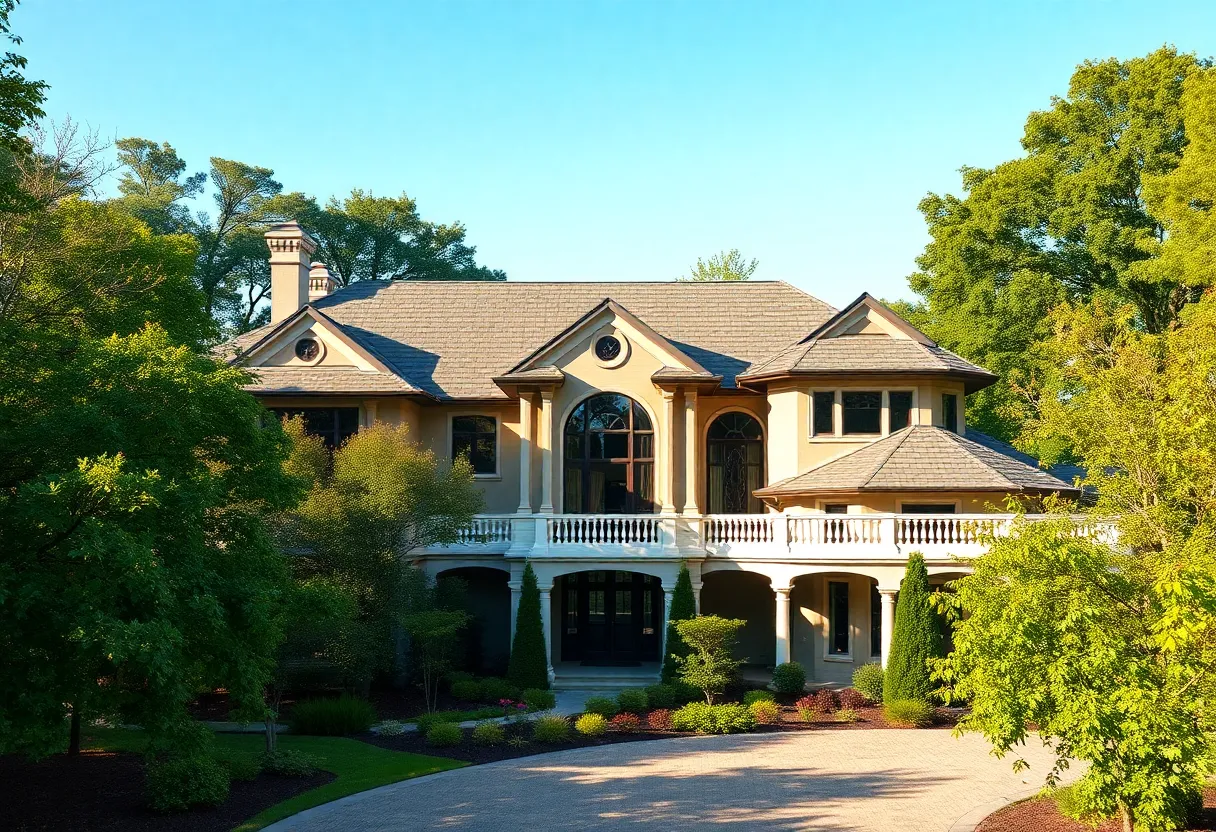
How to Choose the Right Roof Design for Noise Reduction: Essential Tips for Homeowners
In the quest for a peaceful home environment, noise pollution can become a significant concern. Traffic, neighbors, and weather conditions all contribute to a cacophony that can intrude upon daily life. One effective way to mitigate noise is through the implementation of an appropriate roof design. This article presents a comprehensive guide on selecting the right roof design aimed at reducing external noise, while highlighting essential factors every homeowner should consider.
Understanding the Importance of Roof Design in Noise Reduction
Choosing the right roof design is crucial for effective noise reduction. Acoustic properties are influenced by various factors, including material choice, structure, and overall design. A well-designed roof not only minimizes sound penetration but also creates an aesthetically pleasing look.
Noise Types and Sources
Understanding the types of noise your home may encounter enables homeowners to make informed decisions about roof design. Common types of noise include:
- Airborne Noise: Sounds that travel through the air, such as voices, barking dogs, or music.
- Impact Noise: Sounds transmitted through direct contact, like footsteps or falling objects.
- Environmental Noise: This includes traffic noise, construction activities, and natural sound sources like wind and rain.
Key Factors to Consider for Noise-Reducing Roof Design
1. Material Selection
The choice of roofing material plays a vital role in sound insulation. Here are a few materials noted for their noise-reducing properties:
- Asphalt Shingles: Commonly used, they provide decent sound absorption, especially when combined with additional insulation layers.
- Metal Roofing: While often regarded as noisy during rain, specialized soundproofing techniques can make metal roofs surprisingly effective in reducing sound transmission.
- Concrete Tiles: These have excellent mass and density, leading to superior sound insulation properties.
- Wood Shingles: Naturally effective at absorbing sound, they can be a great choice when combined with insulation.
2. Roof Shape and Design
The shape and design of a roof can significantly influence its noise-reduction capabilities. Consider these common styles:
- Gable Roof: This triangular roof shape may not be the best for sound insulation without additional design considerations, as it tends to funnel noise into the home.
- Hip Roof: More effective than gable roofs in sound reduction, hip roofs with a slant distribute sound waves more evenly.
- Flat Roof: Often used in urban settings, flat roofs can support additional insulation layers, making them effective for soundproofing.
3. Insulation Quality
Insulation is a crucial component for noise reduction. Adding insulation between rafters not only conserves energy but also dampens sound travel. Consider fiberglass, mineral wool, or spray foam as insulation materials based on their acoustic properties.
4. Air Barrier Integration
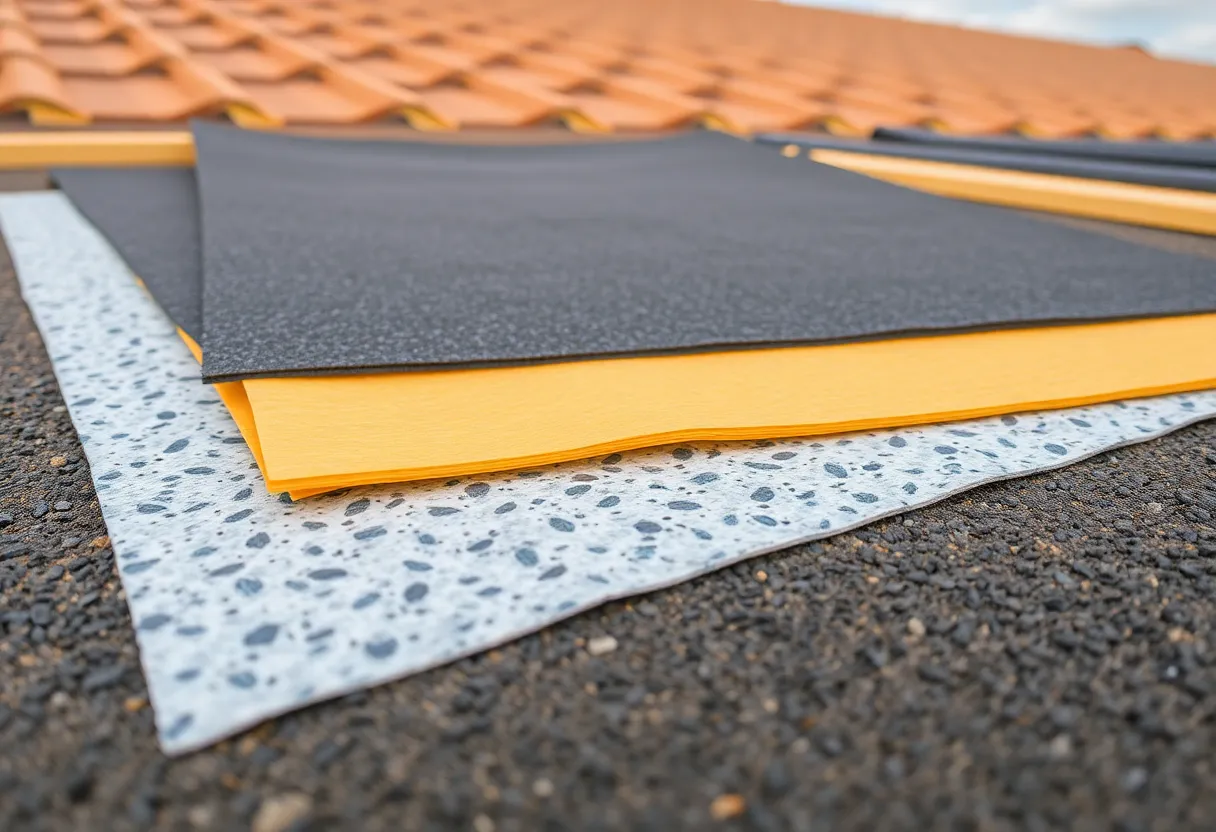
Creating an air barrier can further reduce sound infiltration. Products like acoustic sealants and membranes help prevent sound waves from entering and leaving the home.
5. Roof Pitch
The pitch of the roof can also influence noise impact. Steeper pitches are less likely to amplify sound compared to flatter roofs. A steeper angle can redirect sound waves away from the living space.
Additional Noise Reduction Techniques
1. Planting Trees and Landscaping
Utilizing landscaping can provide an extra layer of sound protection. Strategic tree planting around the property can absorb and deflect noise. Additionally, dense bushes and hedges can create a natural sound barrier.
2. Installing Soundproofing Panels
Consider adding soundproofing panels in roof spaces or attics as a supplementary measure. These panels effectively absorb noise, further enhancing sound insulation.
3. Ventilation Solutions
Ensure that any ventilation systems installed do not compromise noise reduction efforts. Employ noise-reducing vents that allow airflow while minimizing sound transmission.
Evaluating Your Options: Tips for Homeowners
When selecting the perfect roof design for noise reduction, keep these tips in mind:
- Assess Local Noise Levels: Identify the primary sources of noise in your neighborhood. This understanding will help guide your design choices.
- Consult Experts: Engage architects and contractors skilled in soundproof design to evaluate your options.
- Budget Wisely: Quality noise-reducing materials and designs may entail a higher upfront cost. Weigh your budget against your noise reduction goals.
- Test Different Materials: If possible, test samples of noise-reducing materials before final selection.
Final Thoughts
Choosing the right roof design for noise reduction can significantly impact your home’s comfort level. By considering factors such as material selection, design shape, and insulation, you can create a quieter environment. Remember, every home is unique; what works for one may not work for another. Hence, it’s essential to carefully evaluate your specific needs and consult with professionals when necessary. Ultimately, the goal is to create a peaceful sanctuary amidst the clamor of the outside world.

Author: STAFF HERE LEXINGTON WRITER
The LEXINGTON STAFF WRITER represents the experienced team at HERELexington.com, your go-to source for actionable local news and information in Lexington, Fayette County, and beyond. Specializing in "news you can use," we cover essential topics like product reviews for personal and business needs, local business directories, politics, real estate trends, neighborhood insights, and state news affecting the area—with deep expertise drawn from years of dedicated reporting and strong community input, including local press releases and business updates. We deliver top reporting on high-value events such as Woodland Art Fair, Crave Food and Music Festival, and Railbird Festival. Our coverage extends to key organizations like Commerce Lexington and Blue Grass Community Foundation, plus leading businesses in education, manufacturing, and technology that power the local economy such as University of Kentucky, Toyota Motor Manufacturing, and Lexmark. As part of the broader HERE network, including HEREBowlingGreen.com and HERELouisville.com, we provide comprehensive, credible insights into Kentucky's dynamic landscape.
 Mays Contracting