

How to Choose the Best Roof Design for Energy Efficiency and Aesthetic Appeal
Understanding Roof Design
Choosing the right roof design is critical for achieving both energy efficiency and aesthetic appeal. The roof serves as the first line of defense against the elements while contributing significantly to a building’s overall appearance. Selecting a roof design that intertwines functional and visual aspects necessitates careful consideration of various factors.
Factors Influencing Roof Design
Climate Considerations
The geographic location and climatic conditions of a building site play a vital role in determining the most suitable roof design. Areas with high temperatures benefit from roofs that reflect solar energy, while colder climates may require designs that can retain heat.
Architectural Style
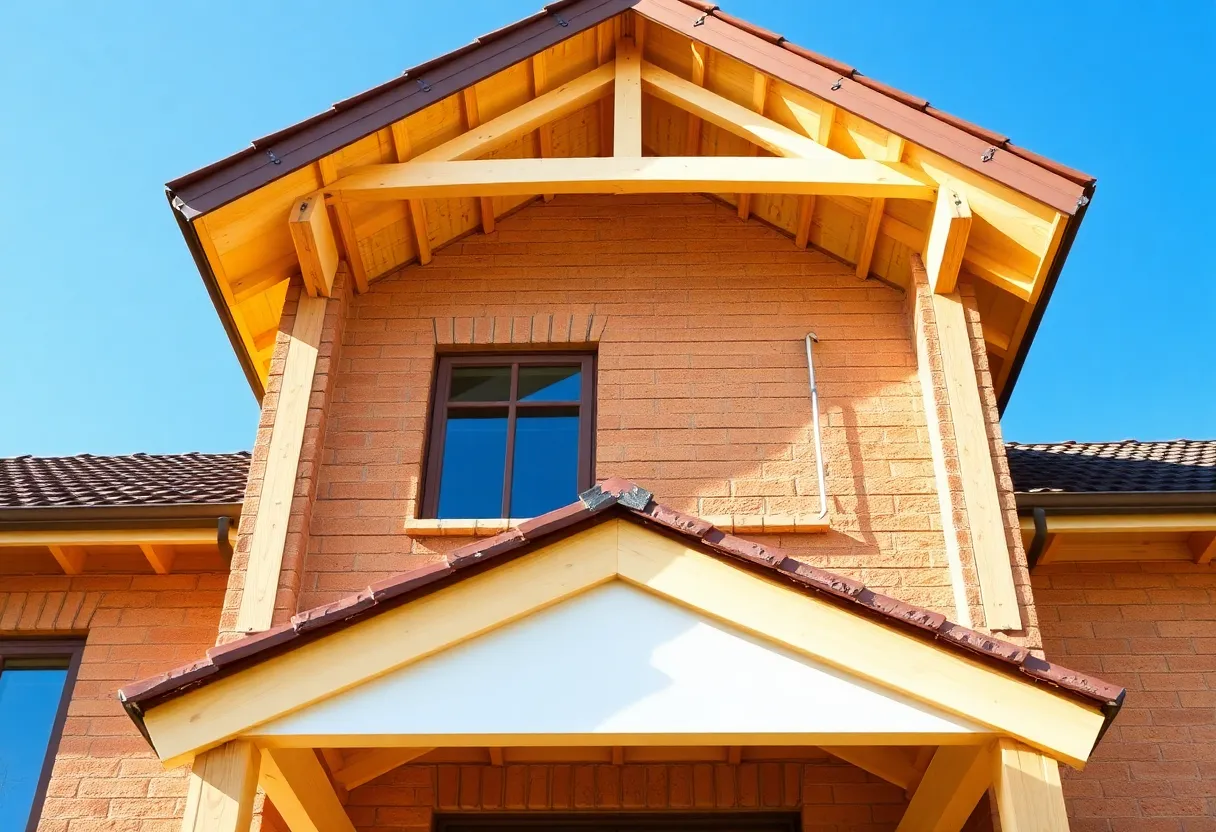
Each architectural style presents unique roofing requirements. Traditional designs might incorporate gable roofs, while modern designs could favor flat or sloped roofs. Ensure the roof complements the building’s aesthetic for a cohesive look.
Material Selection
The choice of roofing material impacts energy efficiency and appearance. Common materials include asphalt shingles, metal, wood, and clay tiles. Understanding the properties of these materials can guide your decision:
- Asphalt Shingles: Affordable and widely available but may have a shorter lifespan compared to others.
- Metal: Durable with high energy efficiency; it effectively reflects sunlight.
- Wood: Offers a natural aesthetic appeal but requires regular maintenance.
- Clay Tiles: Excellent longevity and energy efficiency, though more costly.
Energy Efficiency Strategies
Roof Orientation
Proper roof orientation significantly influences energy efficiency. Roofs facing south receive the most sunlight, making them ideal for energy-generating materials like solar panels. Understanding the solar path can maximize sunlight exposure for enhanced efficiency.
Insulation
Integrating high-quality insulation within the roof design is essential. Insulation limits heat transfer, keeping the interior cool in summer and warm in winter. This aspect is paramount for reducing energy costs.
Ventilation
Proper ventilation is crucial for maintaining thermal comfort. Roof designs that facilitate natural airflow can reduce heat accumulation, leading to lower energy usage. Consider designs that allow for passive ventilation through ridge vents or soffit vents.
Green Roofs
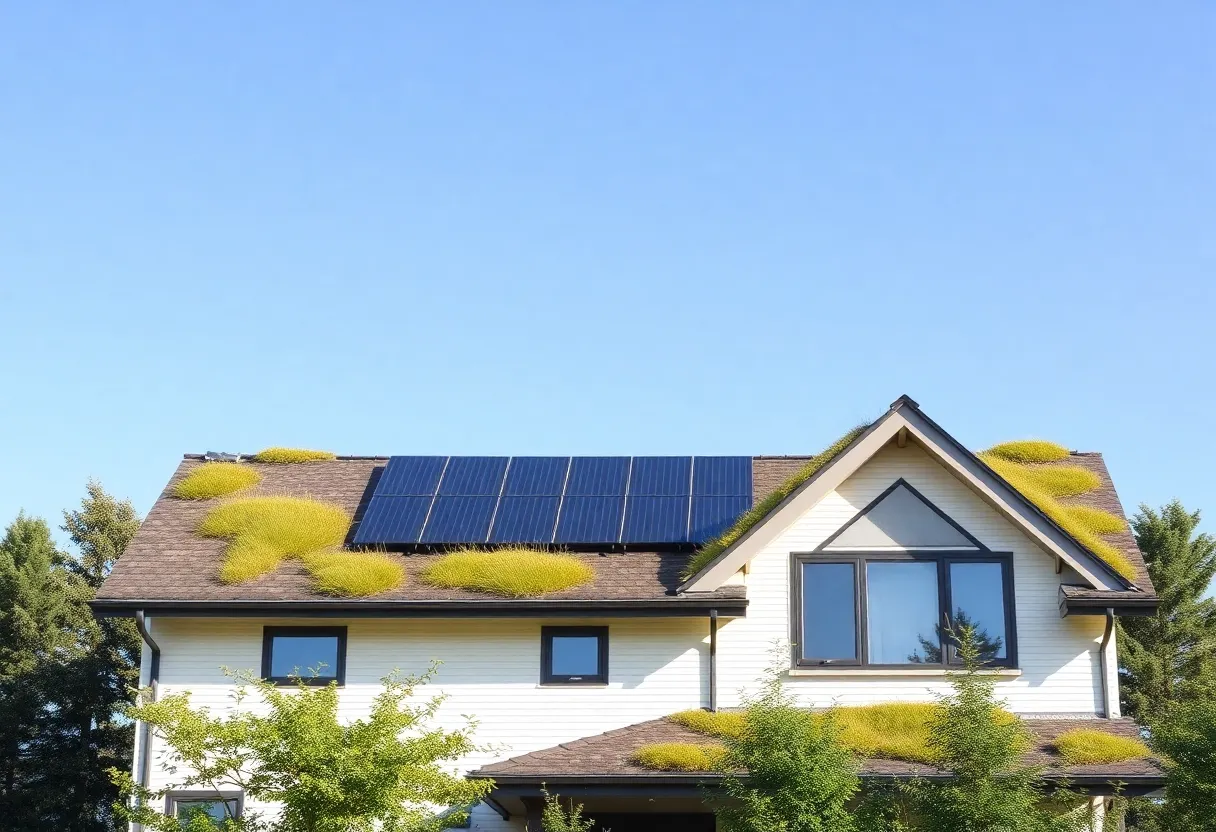
As an innovative approach, green roofs consist of vegetation planted over waterproofing. This design enhances insulation, reduces rainwater runoff, and improves aesthetic value through natural greenery. Green roofs can significantly lower energy costs and enrich the local ecosystem.
Aesthetic Appeal
Color and Texture
The color and texture of roofing materials can significantly influence a home’s overall style. Lighter colors reflect heat, enhancing energy efficiency, while darker shades may absorb heat but can create a striking aesthetic. Choosing a texture that matches the architectural style heightens visual appeal.
Landscaping and Surroundings
A roof should harmonize with the surrounding landscape. The colors, shapes, and styles of nearby structures and natural elements can direct the choice of roofing design. A coherent integration with the environment enhances both aesthetic and property value.
Style Integration
Consider how the roof design interacts with other architectural elements, such as windows and exterior walls. Consistency in lines and shapes creates a unified look, elevating the property’s aesthetic. Flat roofs may suit modern homes, while pitched roofs complement traditional designs.
Evaluating Your Options
Consulting Professionals
Engaging with architects or roofing experts can provide invaluable insights. They can assess specific site conditions, recommend suitable materials, and tailor options that marry both aesthetic beauty and energy efficiency.
Budget Considerations
Financial implications must be considered. While some designs may cost more initially, they could yield significant savings in energy costs over time. A thorough analysis of long-term benefits versus upfront expenses can help make informed decisions.
Building Codes and Regulations
Adherence to local building codes is essential. Regulations may limit certain roofing materials or styles, ensuring safety and sustainability. Confirming compliance is vital before finalizing any roof design.
Conclusion
Selecting the best roof design that balances energy efficiency with aesthetic appeal requires an understanding of multiple factors. Addressing climate conditions, material choices, and architectural style while considering energy efficiency techniques and aesthetic integration can create not only a visually captivating but also an energy-efficient roof. Careful evaluation ensures that the chosen design enhances the property’s value while meeting sustainability goals.

Author: STAFF HERE LEXINGTON WRITER
The LEXINGTON STAFF WRITER represents the experienced team at HERELexington.com, your go-to source for actionable local news and information in Lexington, Fayette County, and beyond. Specializing in "news you can use," we cover essential topics like product reviews for personal and business needs, local business directories, politics, real estate trends, neighborhood insights, and state news affecting the area—with deep expertise drawn from years of dedicated reporting and strong community input, including local press releases and business updates. We deliver top reporting on high-value events such as Woodland Art Fair, Crave Food and Music Festival, and Railbird Festival. Our coverage extends to key organizations like Commerce Lexington and Blue Grass Community Foundation, plus leading businesses in education, manufacturing, and technology that power the local economy such as University of Kentucky, Toyota Motor Manufacturing, and Lexmark. As part of the broader HERE network, including HEREBowlingGreen.com and HERELouisville.com, we provide comprehensive, credible insights into Kentucky's dynamic landscape.
 Mays Contracting