


How to Choose the Right Roofing Underlayment for Enhanced Weather Protection
When it comes to roofing systems, the choice of underlayment plays a crucial role in providing enhanced weather protection. This important layer safeguards the roof and the interior of the building from water, wind, and other environmental factors. Choosing the right roofing underlayment is essential for the longevity of your roof. This article will delve into the types of underlayments available, the critical factors to consider, and how to ensure optimal protection for your roofing system.
Understanding Roofing Underlayment
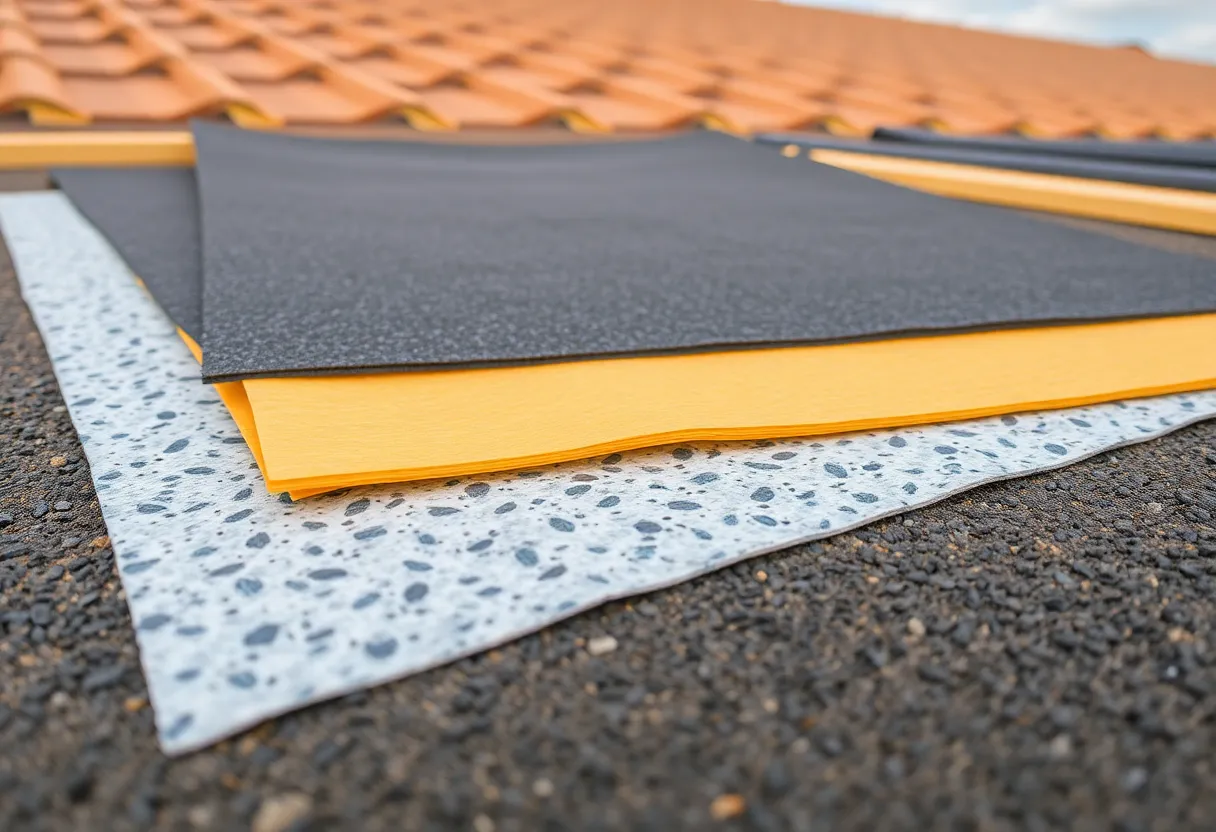
Roofing underlayment serves as a secondary barrier against leaks and moisture intrusion. Positioned beneath the primary roofing material, it is the first line of defense against harsh weather conditions. The main types of underlayment include:
- Asphalt-saturated felt: A traditional option, providing a moderate level of protection.
- Synthetic underlayment: Made from polymer plastic materials, offering superior durability and moisture resistance.
- Rubberized asphalt: Features a sticky surface for added waterproof protection, ideal for high wind areas.
Key Considerations When Choosing Underlayment
Climate Considerations
The climate of your area should dictate your choice of underlayment. Regions with heavy snowfall, rain, or extreme temperatures require more robust options. For instance, synthetic underlayment may be preferable in wet climates due to its excellent water resistance.
Type of Roofing Material
Different roofing materials pair better with specific underlayments. Metal roofs, for example, might benefit from a synthetic underlayment, while asphalt shingles can adequately utilize felt underlayment. Understanding your main roofing material is crucial for making the right choice.
Moisture Resistance
Assess the moisture resistance of the underlayment. Look for products with high water resistance ratings. Rubberized asphalt may be the ideal solution in areas prone to heavy rainfall or flooding, as it provides superior waterproofing capabilities.
Temperature Tolerance
The underlayment must withstand local temperature extremes. In hot climates, synthetic underlayments that can endure high temperatures without degrading are essential. Conversely, in cooler areas, ensure that the chosen material doesn’t become brittle when temperatures drop.
Weight and Ease of Installation
Consider the weight of the underlayment and its impact on installation. Heavy materials can be harder to handle and may require more support, while lighter options can make installation easier and quicker. Choose a product that balances weight and durability for your specific roofing situation.
Cost and Budget
While premium underlayments tend to offer better performance and durability, budget constraints are a reality for many homeowners. Aim for the best possible underlayment that your budget allows without compromising on necessary protective features. Remember, a more robust investment in underlayment can lead to longer-term savings by preventing costly repairs.
Installation Tips for Roofing Underlayment
Proper installation of roofing underlayment is as vital as selecting the right material. Below are essential tips to ensure an effective application:
Follow Manufacturer Guidelines
Always adhere to the manufacturer’s installation instructions. Each product may have specific requirements for overlapping, sealing, and fastening. Deviating from these guidelines may compromise the underlayment’s effectiveness.
Proper Overlapping Technique
When laying underlayment, ensure that each sheet overlaps the previous one appropriately. A typical overlap is at least 4 inches for synthetic and 2 inches for felt underlayment. This technique helps prevent water intrusion at seams.
Secure Fastening
Use suitable fasteners to secure the underlayment. Ensure the fasteners are corrosion-resistant, especially in marine or humid environments. Properly fastening the underlayment prevents it from shifting during wind events.
Conclusion
Choosing the right roofing underlayment is vital in providing enhanced weather protection. Factors such as climate, roofing material, moisture resistance, temperature tolerance, weight, and cost must all be carefully considered. The underlayment serves as your roof’s first line of defense against the elements. Invest wisely and ensure proper installation to maximize your roofing system’s performance and longevity.

Author: STAFF HERE LEXINGTON WRITER
The LEXINGTON STAFF WRITER represents the experienced team at HERELexington.com, your go-to source for actionable local news and information in Lexington, Fayette County, and beyond. Specializing in "news you can use," we cover essential topics like product reviews for personal and business needs, local business directories, politics, real estate trends, neighborhood insights, and state news affecting the area—with deep expertise drawn from years of dedicated reporting and strong community input, including local press releases and business updates. We deliver top reporting on high-value events such as Woodland Art Fair, Crave Food and Music Festival, and Railbird Festival. Our coverage extends to key organizations like Commerce Lexington and Blue Grass Community Foundation, plus leading businesses in education, manufacturing, and technology that power the local economy such as University of Kentucky, Toyota Motor Manufacturing, and Lexmark. As part of the broader HERE network, including HEREBowlingGreen.com and HERELouisville.com, we provide comprehensive, credible insights into Kentucky's dynamic landscape.
 Mays Contracting