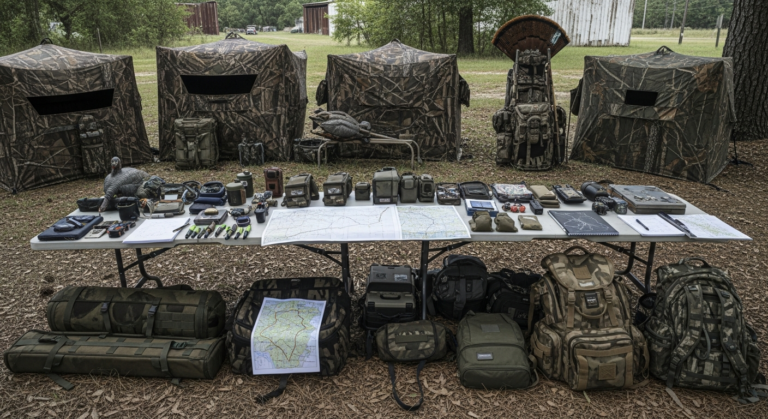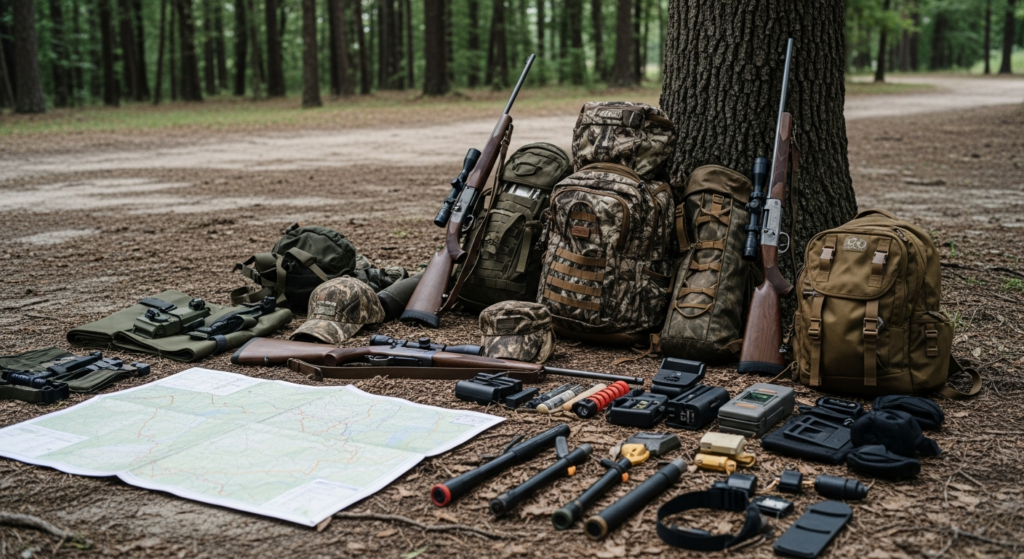
With the deer hunting season approaching, hunters in Lexington and the surrounding Midlands region are engaging in a meticulous preseason preparation regimen, focusing on equipment inspection, strategic scouting, and personal readiness. The comprehensive checklist emphasizes safety, efficiency, and ethical hunting practices, ensuring that participants are well-equipped for the varied conditions of Lexington County’s natural landscapes.
One of the initial steps involves a thorough inspection and maintenance of hunting weapons. For bowhunters, this means examining bows for any signs of wear, such as worn or separated limbs, cams, and strings. Regular waxing of strings is recommended to prolong their life and maintain performance, while any questionable components should be replaced proactively. Consistent practice shooting is also highlighted as crucial for building muscle memory and consistency, which are vital for accurate and humane shots in the field.
Rifle hunters are advised to clean and oil their firearms, paying close attention to the barrel and action. Checking scope mounts for tightness and confirming the rifle’s zero at a shooting range are essential steps to ensure accuracy. For those using broadheads, an arrow spinner can be used to verify straightness and alignment, as wobbling tips can significantly impair arrow flight and impact accuracy, potentially leading to missed shots or wounded game.
Personal gear also requires significant attention. Hunting clothing should be washed with scent-free detergent to minimize human odor, which can alert deer to a hunter’s presence. Each garment should be inspected for holes, worn seams, or fading that could compromise camouflage or durability. New footwear should be broken in well before the season to prevent discomfort and blisters during long hikes, and waterproofing should be verified to keep feet dry in damp conditions. Additionally, treating clothing with permethrin is recommended when needed, offering protection against tick-borne illnesses prevalent in wooded areas.
Treestand safety is a critical component of preseason preparation. Hunters are urged to inspect all treestands, ladder stands, and climbing sticks for rust, loose fasteners, cracks, or frayed straps that could lead to structural failure. A full-body harness, used in conjunction with a lifeline, is considered indispensable for preventing falls. Testing the harness and lifeline before the season begins can identify any issues and reinforce safe usage habits, a practice that can prevent serious injury or fatality.
Modern hunting relies heavily on advanced navigation and mapping tools. Hunters should fully charge handheld GPS units or download reliable mapping applications onto their smartphones. Map scouting is an integral part of understanding deer movement patterns. This involves studying contour lines to identify saddles, ridges, and draws where deer naturally travel. Identifying creeks, ponds, and low spots can reveal water sources crucial for deer, especially during warmer periods. Satellite maps are useful for marking agricultural fields, oak stands, and natural browse areas, which are key food sources. Evaluating trailheads and access points helps in planning entry and exit routes that minimize the risk of spooking deer, taking into account prevailing wind conditions.
Some mapping solutions, such as the Xtra add-on to REVEAL plans, offer enhanced features starting at approximately $4 per month. These include property boundaries, property information, landowner names and addresses, shape and path drawing tools, custom pins, and on-the-ground navigation capabilities. Such tools can be particularly valuable for hunters navigating mixed public and private lands, helping them to respect property lines and plan their movements effectively.
Trail cameras have become an essential tool for inventorying deer populations and understanding their behavior. Recommended locations for camera deployment include mineral licks for early season patterning, bedding-to-feeding trails to monitor daily movements, field edges and corners for tracking evening activity over food sources, and water sources, which can be especially productive on hot summer days or during the rut. Various power options are available, including lithium cartridges, solar panels, folding solar panels, and battery belts, allowing for extended deployment.
Before deploying cameras, hunters should fully charge all batteries and format and label SD cards if they are being used. Testing the field of view, motion activation, flash, and other settings ensures optimal performance. Cellular cameras should be activated and updated with the most recent version of the REVEAL app before leaving for the field. Newer models, such as the Ultra and REVEAL 3.0 series cameras, feature internal memory, making SD cards optional for data storage.
Beyond the technical aspects, general camp and personal readiness are also crucial. Tents and campers should be inspected for wear, missing stakes, cracked poles, or other missing items. Sleeping bags and pillows should be washed or aired out to ensure comfort and hygiene. Camping stove fuel canisters should be filled, and all cutlery checked for presence. Practicing shooting while wearing hunting clothes helps simulate real-world conditions. Packs should be checked to ensure they contain tags, snacks, water, a valid hunting license, and a first-aid kit. Coordinating plans with private-land owners is essential for maintaining good relationships and ensuring legal access. Finally, getting in shape for long hikes and climbs can significantly improve stamina and overall hunting success.
Why it matters in Lexington
For residents of Lexington and those who hunt in Lexington County, these preseason preparations are more than just a checklist; they are foundational to a safe, successful, and responsible hunting season. The county’s diverse natural areas, from the woodlands near Lake Murray to agricultural fields, offer varied hunting opportunities. Adhering to these rigorous preparation guidelines helps ensure that hunters are not only effective in the field but also uphold safety standards that protect themselves and others. The Lexington County Government, through its various departments, maintains public lands and enforces regulations, making well-prepared and responsible hunters a vital part of preserving the region’s outdoor heritage and ensuring public safety. These steps contribute to a positive experience for all who utilize Lexington’s natural resources.