
How Can You Effectively Assess Your Roof’s Drainage Needs?
Proper roof drainage is vital for maintaining the integrity of your home. Understanding how to assess your roof’s drainage needs can prevent costly damage and extend the lifespan of your roofing system. This guide outlines key factors for evaluating effective drainage solutions.
The Importance of Roof Drainage
Effective roof drainage mitigates various risks associated with standing water. This includes:
- Structural damage from water pooling.
- Potential leaks caused by compromised roofing materials.
- Growth of mold and mildew that can affect indoor air quality.
- Damage to fascia and gutters that requires expensive repairs.
Understanding Roof Type and Slope
Different types of roofs have varying drainage needs. Additionally, the roof’s slope plays a critical role in how quickly water can flow off the surface.
Flat Roofs
Flat roofs are prone to water accumulation, making effective drainage solutions essential. Ensure they have adequate drainage systems like:
- Internal drains.
- Scuppers (drain holes in parapet walls).
- Gutters and downspouts.
Pitched Roofs
Pitched roofs promote swift water runoff. However, assessing drainage features is still necessary. Look for:
- Functional gutters and downspouts.
- Clear pathways for water flow.
- Properly sealed roof valleys to prevent water backup.
Evaluating Drainage Capacity
To effectively assess your roof’s drainage capacity, consider the following aspects:
1. Gutter Size and Condition
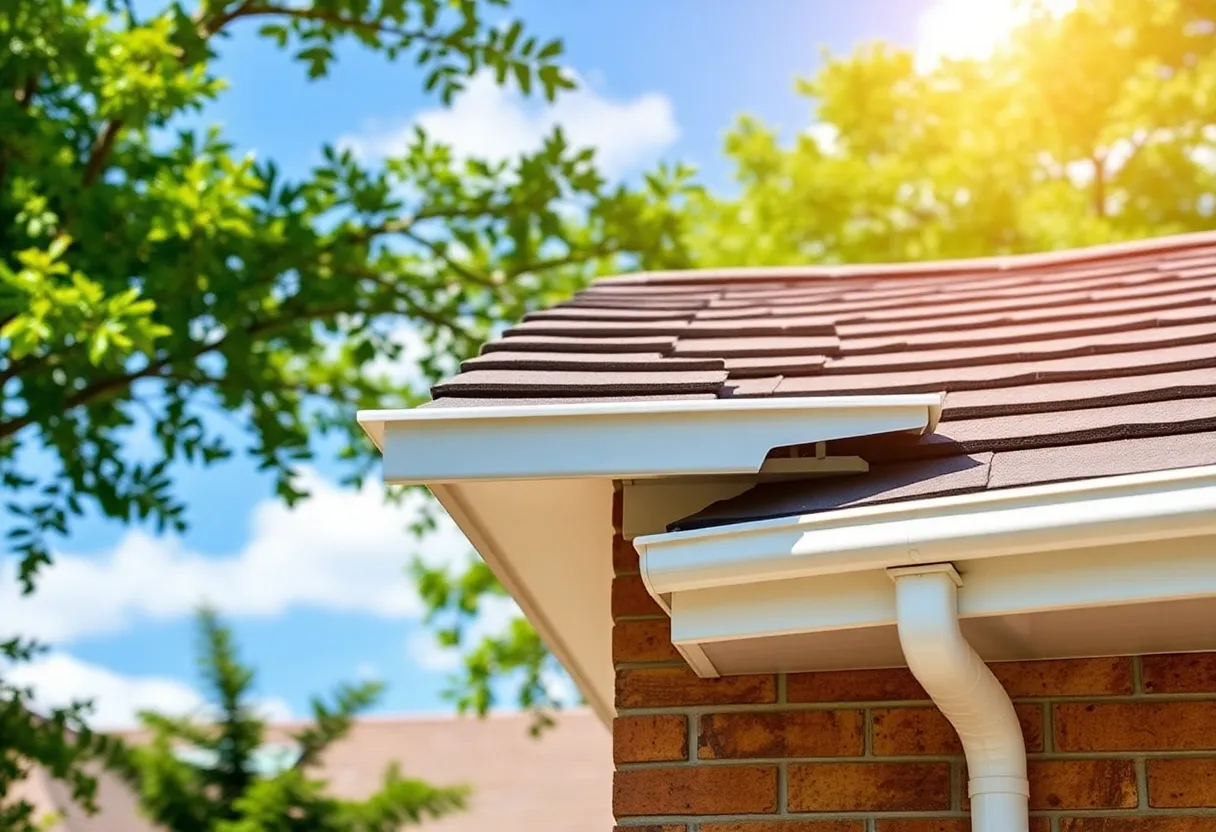
Evaluate the size and condition of your gutters. Larger gutters can handle more water volume when it rains. Regularly check for:
- Clogging by debris.
- Rust or corrosion that could lead to leaks.
- Proper alignment for effective water flow.
2. Downspout Placement
Downspouts must be strategically located to efficiently direct water away from the roof. Include these considerations:
- At least two downspouts per 50 feet of gutter run.
- Ensuring downspouts are unobstructed.
3. Drainage Pitch
The roof’s pitch is directly related to drainage performance. Ensure that:
- The roof slope is ideally 3:12 or steeper.
- Pooling water does not stagnate.
Assessing Local Climate Impacts
Understanding your area’s climate can significantly influence drainage needs. Different weather patterns dictate the level of precipitation expected, thus affecting drainage design.
Rainfall Patterns
Research the average rainfall in your region. High rainfall areas require robust drainage systems, while arid regions may focus on different aspects. Key points include:
- Designing systems that handle intense rain.
- Considering seasonal variations.
Snow Load Considerations
In snowy climates, assess how melting snow will affect drainage. Create drainage systems that can handle:
- Meltwater runoff.
- Heavy snow loads that might block drainage.
Inspecting Roofing Materials
The materials used in your roofing system can impact drainage. Consider these factors:
Durability
Some materials are more resistant to water damage. For instance:
- Metal roofing may allow for faster water runoff.
- Asphalt shingles need proper installation to prevent leaks.
Sealing and Maintenance
Regular maintenance of roofing materials is essential for ensuring effective drainage. Check for:
- Cracks and gaps that need sealing.
- Regular cleaning to clear debris buildup.
Utilizing Professional Assessments
If uncertainties persist, consider hiring professionals for a comprehensive drainage assessment. They can offer insights into:
- Identifying hidden issues not visible to the untrained eye.
- Providing tailored solutions based on your unique situation.
Implementing Efficient Drainage Systems
Once you’ve assessed your roof’s drainage needs, consider implementing efficient drainage systems such as:
Roof Drains
Roof drains direct water into gutters or downspouts, appealing for flat roofs that need a swift exit for water. Opt for:
- Large enough drains to handle heavy rainfall.
- Placement at low points in the roof structure.
Soil-Based Solutions
Lawn and garden drainage can be enhanced by maintaining healthy soil conditions. Ensure:
- Soil allows for proper infiltration.
- Gradients direct water flow towards natural drainage solutions.
Frequently Overlooked Elements
While assessing your roof’s drainage needs, don’t overlook these critical points:
Tree Coverage
Nearby trees can contribute to gutter clogs. Assess the distance and type of trees, as:
- Overhanging branches can drop debris onto your roof.
- The distance of trees can determine appropriate gutter system size.
Accessibility for Maintenance
Evaluate how accessible your roof is for maintenance tasks. An easily accessible roof will promote:
- Regular inspections and cleaning.
- Faster repair efforts if issues arise.
Conclusion
Effectively assessing your roof’s drainage needs involves understanding multiple factors. By regularly inspecting your roof type, drainage capacity, local climate conditions, and roofing materials, homeowners can mitigate damage risks efficiently. If necessary, seek professional help to tailor drainage solutions to your particular situation. Preventative measures today can save substantial costs in the future.

Author: STAFF HERE LEXINGTON WRITER
The LEXINGTON STAFF WRITER represents the experienced team at HERELexington.com, your go-to source for actionable local news and information in Lexington, Fayette County, and beyond. Specializing in "news you can use," we cover essential topics like product reviews for personal and business needs, local business directories, politics, real estate trends, neighborhood insights, and state news affecting the area—with deep expertise drawn from years of dedicated reporting and strong community input, including local press releases and business updates. We deliver top reporting on high-value events such as Woodland Art Fair, Crave Food and Music Festival, and Railbird Festival. Our coverage extends to key organizations like Commerce Lexington and Blue Grass Community Foundation, plus leading businesses in education, manufacturing, and technology that power the local economy such as University of Kentucky, Toyota Motor Manufacturing, and Lexmark. As part of the broader HERE network, including HEREBowlingGreen.com and HERELouisville.com, we provide comprehensive, credible insights into Kentucky's dynamic landscape.
 Mays Contracting