
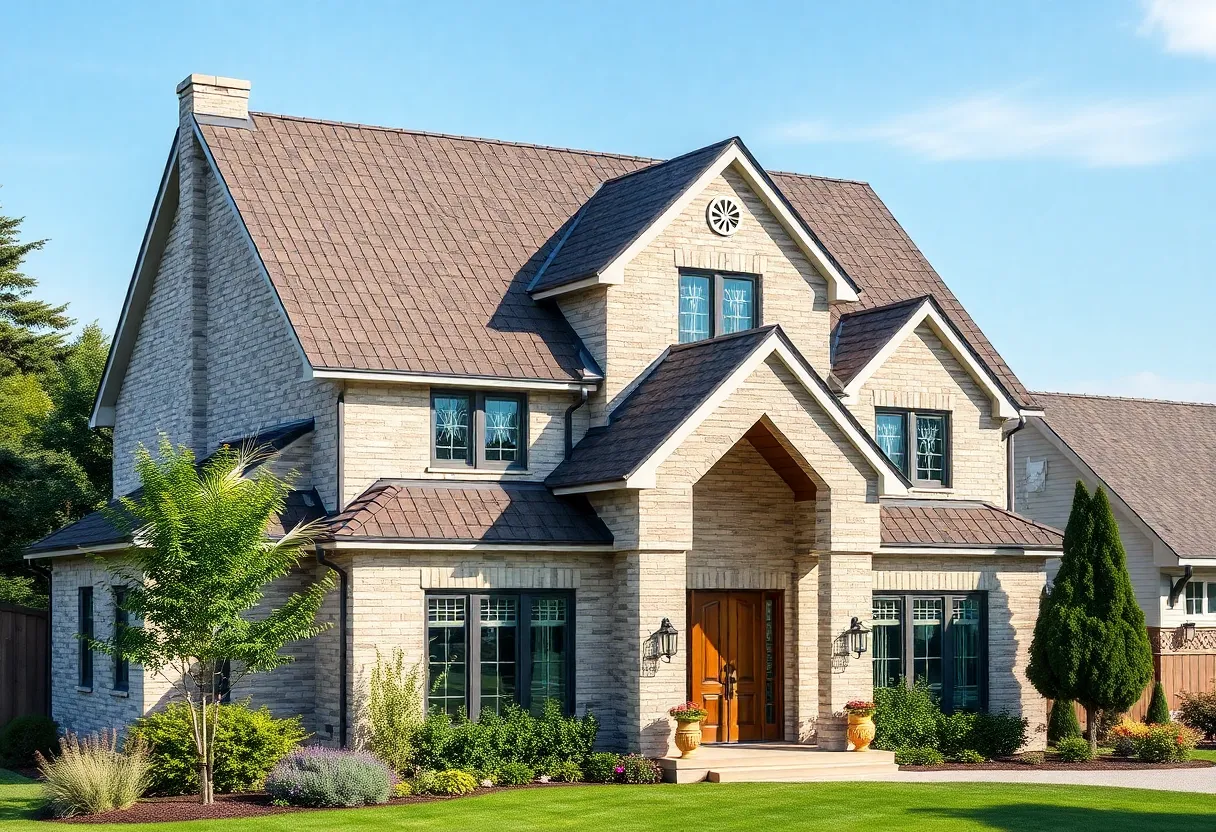
How Do I Determine the Best Roofing Style for My Home’s Energy Efficiency?
Choosing the right roofing style for your home is a critical decision that impacts both energy efficiency and overall aesthetic appeal. A well-designed roof not only enhances your home’s curb appeal but also contributes significantly to energy savings. This article aims to provide a comprehensive analysis of various roofing styles and how they affect energy efficiency.
Understanding Energy Efficiency in Roofing
Energy efficiency refers to the use of technology or processes to use less energy to perform the same task. In roofing, energy-efficient materials and designs can significantly reduce your home’s heating and cooling costs. Before selecting a roofing style, it is essential to understand how different materials and architectural designs influence energy consumption.
Factors Affecting Energy Efficiency in Roofing
- Insulation: Adequate insulation in a roofing system is vital to prevent heat exchange.
- Material: Different roofing materials have different thermal properties.
- Color: Lighter colors reflect more sunlight, reducing heat absorption.
- Ventilation: Proper roof ventilation systems help maintain a consistent temperature inside your home.
- Design: The architectural design of your roof influences how energy-efficient it is overall.
Common Roofing Styles and Their Energy Efficiency
Not all roofing styles are created equal regarding energy efficiency. Below are some popular roofing styles and their respective energy-saving characteristics.
1. Flat Roofs
Flat roofs are often used in modern construction and commercial buildings. They are typically less expensive and easier to maintain. However, their energy-efficiency largely depends on the roofing material used.
- Materials: Different materials like TPO or PVC membranes can offer superior energy efficiency due to their reflective properties.
- Insulation: Rigid insulation can be installed on top of the deck, enhancing thermal performance.
2. Gable Roofs
Gable roofs are characterized by their triangular shape, making them one of the most popular roofing styles. This design promotes excellent airflow, reducing heat accumulation in attics.
- Ventilation: The angle allows for better ventilation, reducing heat buildup.
- Insulation: They can accommodate a higher R-value for insulation, enhancing energy conservation.
3. Hip Roofs
Hip roofs have slopes on all four sides, offering better structural stability. The design encourages effective water drainage and reduces the likelihood of leaks.
- Energy Savings: Their shape can enhance wind resistance, lowering heating and cooling costs due to less air leakage.
- Ventilation: Similar to gable roofs, hip roofs can also support better ventilation.
4. Shed Roofs
Shed roofs are single-sloped and are often utilized in contemporary and industrial designs. They are efficient for rainwater runoff and maximize sunlight capture, especially for solar panels.
- Solar Integration: The design can be optimized for solar energy systems, contributing to energy savings.
- Insulation: The slope allows better insulation placement, increasing energy efficiency.
Choosing Energy-Efficient Roofing Materials
The choice of material impacts energy efficiency significantly. Below are some materials to consider:
1. Metal Roofing
Metal roofs are increasingly popular due to their durability and energy efficiency. They reflect solar radiant heat, which can help reduce cooling costs by 10-25%.
2. Asphalt Shingles
These are among the most common roofing materials. Certain types of asphalt shingles come with coatings that enhance reflectivity, leading to improved energy efficiency.
3. Clay and Concrete Tiles
These materials have excellent insulating properties and can keep homes cooler in warm climates. However, their weight may require additional structural support.
4. Green Roofs
Green roofs involve growing plants on rooftops. They provide natural insulation, reduced energy costs, and improve stormwater management.
Energy Star Rated Roofing Products
Selecting roofing materials that meet Energy Star criteria can significantly enhance your home’s efficiency. Energy Star roofing products are designed to reflect more sunlight and absorb less heat. This can contribute to lower energy bills and a reduced urban heat island effect.
Benefits of Choosing Energy Star Products
- Cost Savings: Energy-efficient roofing can reduce energy bills substantially.
- Increased comfort: Better insulation leads to consistent indoor climate control.
- Environmental Impact: Reduces your home’s overall carbon footprint.
Impact of Local Climate on Roofing Style
Your local climate plays a significant role in determining the best roofing style for energy efficiency. Here’s how various climates can influence your choice:
Tropical Climates
In areas with high heat and humidity, reflective roofing materials and designs that encourage airflow are essential.
Cold Climates
In colder regions, styles that allow for attic ventilation while retaining heat, such as gable or hip roofs, are optimal.
Temperate Climates
For areas with moderate climate conditions, a versatile roofing style, such as a combination of gable and hip, can provide good energy efficiency throughout the year.
Dry Climates
In arid regions, roofs must resist heat but also allow for good drainage. Slope designs are typically more effective.
Conclusion
Choosing the best roofing style for your home’s energy efficiency involves evaluating material options, local climate, and design characteristics. Factors such as insulation, ventilation, and material properties play pivotal roles in determining how energy-efficient your roofing system will be. Prioritizing energy-efficient roofing styles can lead to substantial savings, enhance comfort, and reduce environmental impact.
FAQ
What is the most energy-efficient roofing material?
Metal roofing is often considered one of the most energy-efficient materials due to its reflective properties, helping to save on cooling costs.
How does roof color affect energy efficiency?
Lighter roof colors reflect more sunlight, reducing heat absorption, which can lead to significant savings on cooling costs.
Are green roofs energy efficient?
Yes, green roofs provide natural insulation and can reduce energy costs while improving stormwater management.

Author: STAFF HERE LEXINGTON WRITER
The LEXINGTON STAFF WRITER represents the experienced team at HERELexington.com, your go-to source for actionable local news and information in Lexington, Fayette County, and beyond. Specializing in "news you can use," we cover essential topics like product reviews for personal and business needs, local business directories, politics, real estate trends, neighborhood insights, and state news affecting the area—with deep expertise drawn from years of dedicated reporting and strong community input, including local press releases and business updates. We deliver top reporting on high-value events such as Woodland Art Fair, Crave Food and Music Festival, and Railbird Festival. Our coverage extends to key organizations like Commerce Lexington and Blue Grass Community Foundation, plus leading businesses in education, manufacturing, and technology that power the local economy such as University of Kentucky, Toyota Motor Manufacturing, and Lexmark. As part of the broader HERE network, including HEREBowlingGreen.com and HERELouisville.com, we provide comprehensive, credible insights into Kentucky's dynamic landscape.
 Mays Contracting