

How Can You Successfully Calculate the Pitch of Your Roof for Optimal Performance?
When it comes to gaining a comprehensive understanding of your roof, one of the most crucial factors to consider is its pitch. Roof pitch, the steepness or angle of the roof, plays a significant role in both aesthetic and functional aspects of roofing systems. This article aims to delineate how to successfully calculate the pitch of your roof for optimal performance.
Understanding Roof Pitch
Roof pitch is measured as a ratio of the vertical rise of the roof to the horizontal run. This ratio signifies how much the roof rises vertically for each unit it spans horizontally. The pitch is typically expressed in two formats: as a fraction, such as 6:12, or as an angle in degrees.
Why is Roof Pitch Important?
- Water Drainage: A roof with a steeper pitch allows water to run off more efficiently, reducing the risk of leaks and water damage.
- Materials: Different roofing materials perform better at specific pitches. For instance, asphalt shingles are typically suitable for pitches between 2:12 to 12:12.
- Insulation: Roof pitch can influence ventilation and insulation needs, affecting overall energy efficiency.
- Aesthetic Appeal: The architectural style of a building is often determined by its roof pitch, impacting both resale value and curb appeal.
Methods to Calculate Roof Pitch
Calculating the pitch of your roof can be done using various methods. Each method may vary slightly in accuracy and suitability based on the type of roof.
1. Using the Traditional Measuring Technique
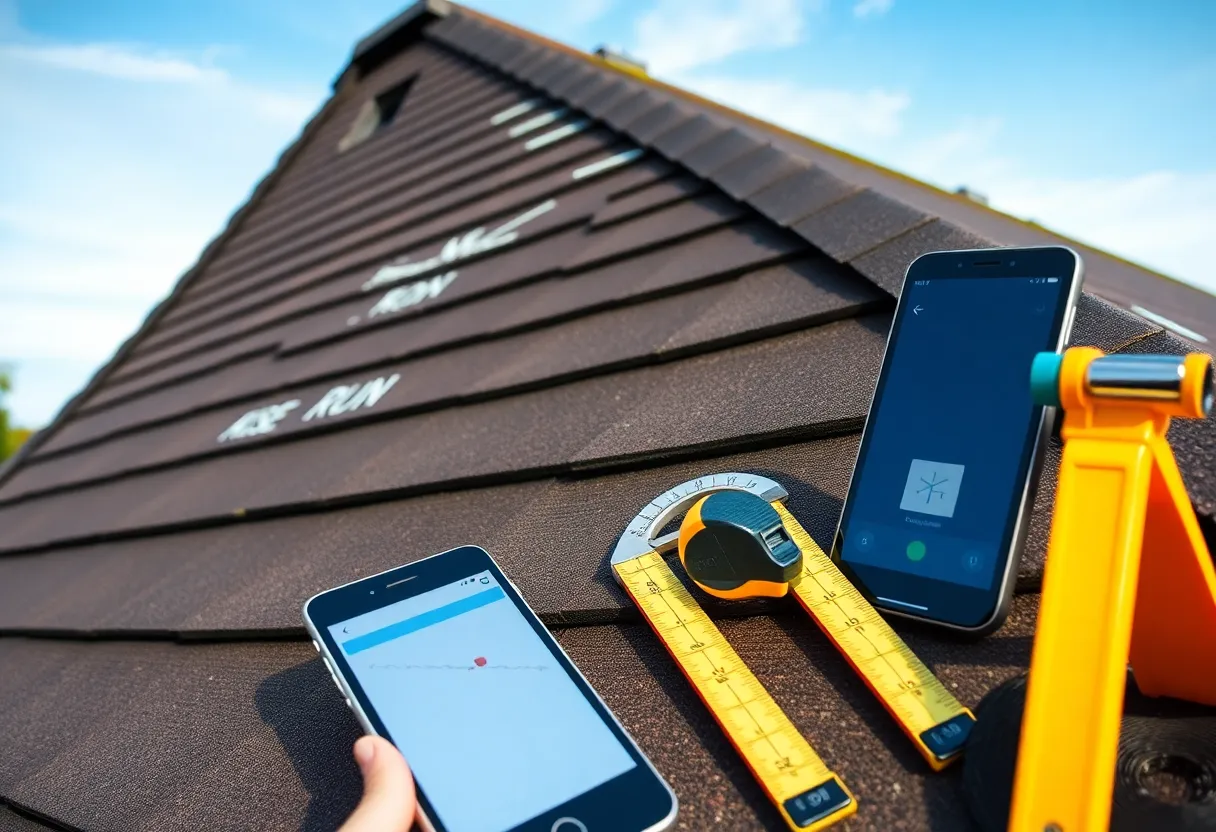
This method is straightforward and requires a few basic tools: a measuring tape, a level, and a protractor or an app capable of measuring angles.
Steps to Measure Roof Pitch:
- Find the Rise: Measure vertically from the peak of the roof down to a point on the roof. This is your rise.
- Find the Run: Measure horizontally from the peak straight to the point where the rise measurement ends. This is your run.
- Calculate Pitch Ratio: Divide the rise by the run to get a fraction, or use a protractor to determine the angle in degrees.
2. Using Digital Tools
With advancements in technology, digital tools make roof pitch calculation easier and often more accurate. Various smartphone applications are available to measure roof pitch with minimal effort.
Benefits of Digital Tools:
- Speed: Measurements are taken quickly without the need for manual calculation.
- Accuracy: Reduced human error leads to more precise measurements.
- Ease of Use: Intuitive interfaces guide users through the process effortlessly.
Practical Applications of Roof Pitch Calculation
Understanding and calculating your roof pitch can help in numerous ways, from improving drainage to selecting the best roofing materials.
Improving Water Drainage
The ideal roof pitch for optimal water drainage generally ranges from 4:12 to 12:12. A roof with too shallow a pitch may result in water pooling, increasing wear and tear on roofing materials. Selecting an appropriate pitch helps manage rainwater efficiently.
Choosing the Right Roofing Material
Roof materials vary in compatibility with different pitches. For example:
- Low Slope (2:12 or less): Materials such as TPO or EPDM are often used.
- Medium Slope (2:12 to 6:12): Asphalt shingles or metal roofing can be suitable.
- Steep Pitch (above 6:12): Slate tiles and wood shakes are commonly used.
Choosing the right material based on the calculated pitch can prevent future complications and improve the roof’s lifespan.
Enhancing Energy Efficiency
The pitch of your roof can greatly influence insulation and overall energy efficiency. A well-pitched roof can facilitate better airflow, which helps regulate your home’s temperature. Proper ventilation reduces energy use, leading to lower utility costs.
Regulatory Considerations
Before embarking on any roofing project, understanding local building codes and regulations surrounding roof pitch is imperative. Different municipalities have guidelines regarding pitch for specific types of roofs. Ensure compliance to avoid fines and complications during construction.
Consulting Professionals
If uncertainties arise regarding the roof pitch or its implications, consulting a qualified roofing professional can provide valuable insights. Professionals can offer tailored recommendations based on your building’s specific requirements and ensure that modifications meet safety standards.
Conclusion
Calculating the pitch of your roof is essential for various practical reasons, including optimal drainage, material selection, energy efficiency, and compliance with regulations. Whether using traditional measurement techniques or technological tools, understanding roof pitch allows homeowners and builders to make informed decisions.
By prioritizing an accurate roof pitch calculation, you can not only enhance the structural integrity of your building but also contribute to its longevity and performance. Take the time to consider these factors to ensure your roofing project is a success.

Author: STAFF HERE LEXINGTON WRITER
The LEXINGTON STAFF WRITER represents the experienced team at HERELexington.com, your go-to source for actionable local news and information in Lexington, Fayette County, and beyond. Specializing in "news you can use," we cover essential topics like product reviews for personal and business needs, local business directories, politics, real estate trends, neighborhood insights, and state news affecting the area—with deep expertise drawn from years of dedicated reporting and strong community input, including local press releases and business updates. We deliver top reporting on high-value events such as Woodland Art Fair, Crave Food and Music Festival, and Railbird Festival. Our coverage extends to key organizations like Commerce Lexington and Blue Grass Community Foundation, plus leading businesses in education, manufacturing, and technology that power the local economy such as University of Kentucky, Toyota Motor Manufacturing, and Lexmark. As part of the broader HERE network, including HEREBowlingGreen.com and HERELouisville.com, we provide comprehensive, credible insights into Kentucky's dynamic landscape.
 Mays Contracting