
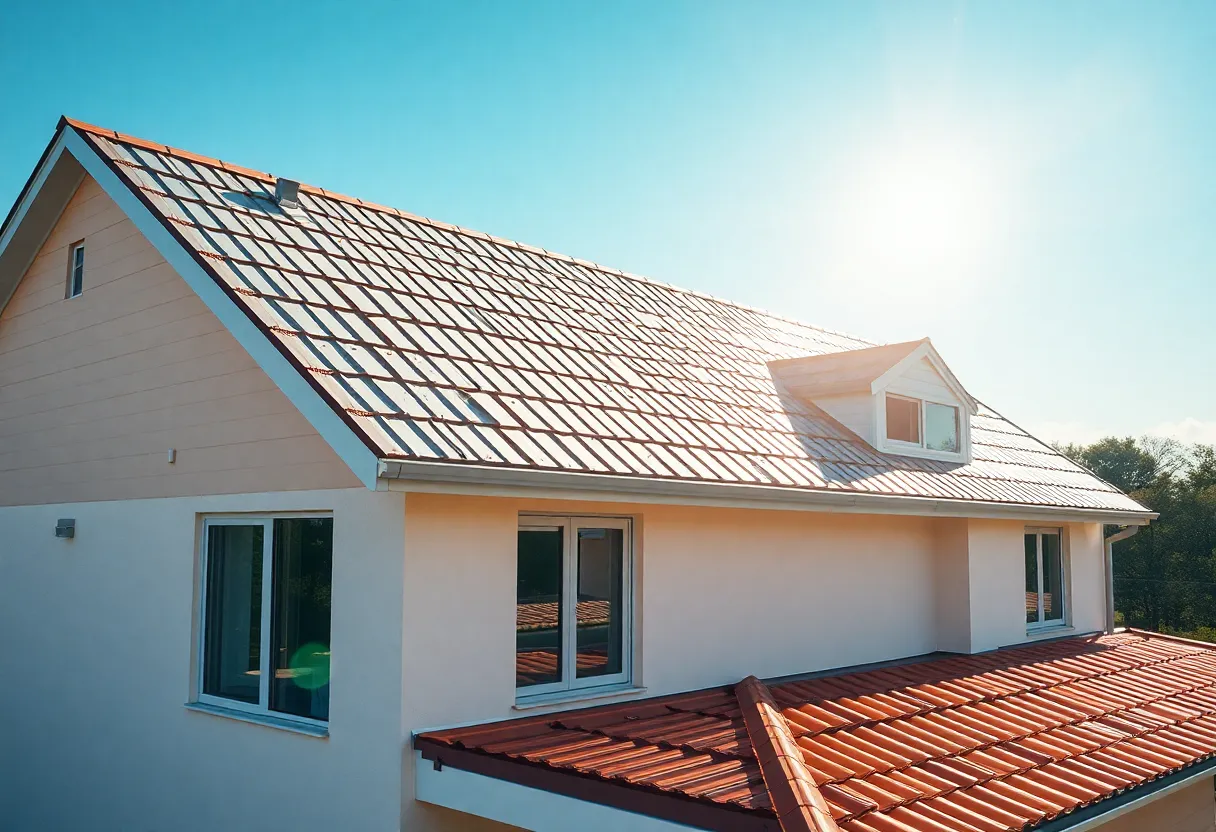
How to Select the Right Roof for Energy Efficiency: Essential Tips for Homeowners
Choosing a roof is one of the most significant decisions for homeowners, particularly in the context of energy efficiency. The type of roofing material can influence not only the aesthetics of a home but also its energy performance. Below are essential tips to help homeowners select the right roofing system that maximizes energy efficiency.
Understanding Energy-Efficient Roofing Options
Energy-efficient roofs are designed to reflect more sunlight and absorb less heat. Several materials are available, each offering unique benefits.
1. Reflective Roofing Materials
Look for roofing materials that feature cool roof technology. These products typically have a high solar reflectance index (SRI), which measures the material’s ability to reflect sunlight. Examples include:
- Metal roofing: Highly reflective, metal roofs come in various styles and colors.
- Clay and concrete tiles: These materials reflect sunlight and provide natural insulation.
- Single-ply membranes: Commonly used on commercial buildings, these are also suitable for residential roofs.
2. Insulated Roofing Systems
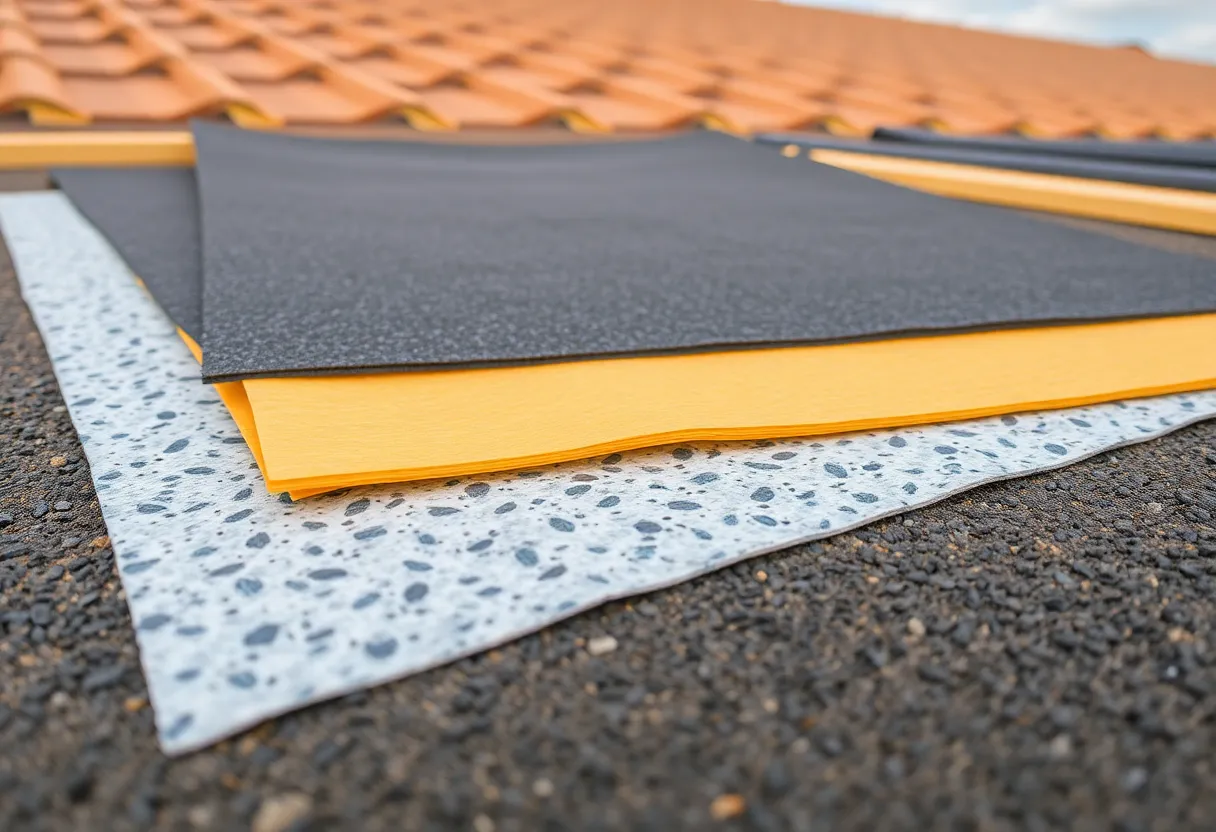
Insulation plays a critical role in maintaining a comfortable indoor temperature. Choosing an insulated roofing system can lower heating and cooling costs. Consider options such as:
- Spray foam insulation: This option expands to fill gaps, offering excellent coverage.
- Insulated metal panels: Providing both structural support and thermal performance.
Climate Considerations
Your geographical location dramatically impacts the energy efficiency of your roof. Different climates require different roofing solutions.
1. Hot Climates
In areas with hot climates, opt for materials that reflect sunlight. A light-colored roof can help maintain cooler temperatures inside your home.
2. Cold Climates
Conversely, homeowners in cold climates may prioritize thermal insulation. Darker materials can absorb heat during the day, which can be beneficial in winter months.
3. Humid Climates
In regions with high humidity, it is essential to prevent moisture buildup. Choose materials that resist mold and mildew. Metal roofs, for instance, are typically less susceptible to these issues.
Energy Ratings and Certifications
Understanding energy ratings helps homeowners make informed decisions.
1. Energy Star Certification
Look for roofing materials that are Energy Star certified. This label indicates high energy performance and can lead to tax savings.
2. Cool Roof Rating Council (CRRC)
The CRRC provides ratings for roofs based on their reflectance and emittance. A higher rating denotes better performance in terms of energy efficiency.
Cost-Benefit Analysis
While it may be tempting to select a roofing material solely based on upfront costs, consider long-term savings.
1. Lifespan and Maintenance
Invest in roofing materials that boast durability. Metal roofs, for instance, can last up to 50 years with minimal maintenance, while asphalt shingles may last only 20 years. The lifecycle cost analysis will help justify the initial investment.
2. Energy Savings Calculation
Calculate potential energy savings from choosing an energy-efficient roof. Utilize local utility rates and historical energy consumption data to assess cumulative savings over time.
Professional Installation Matters
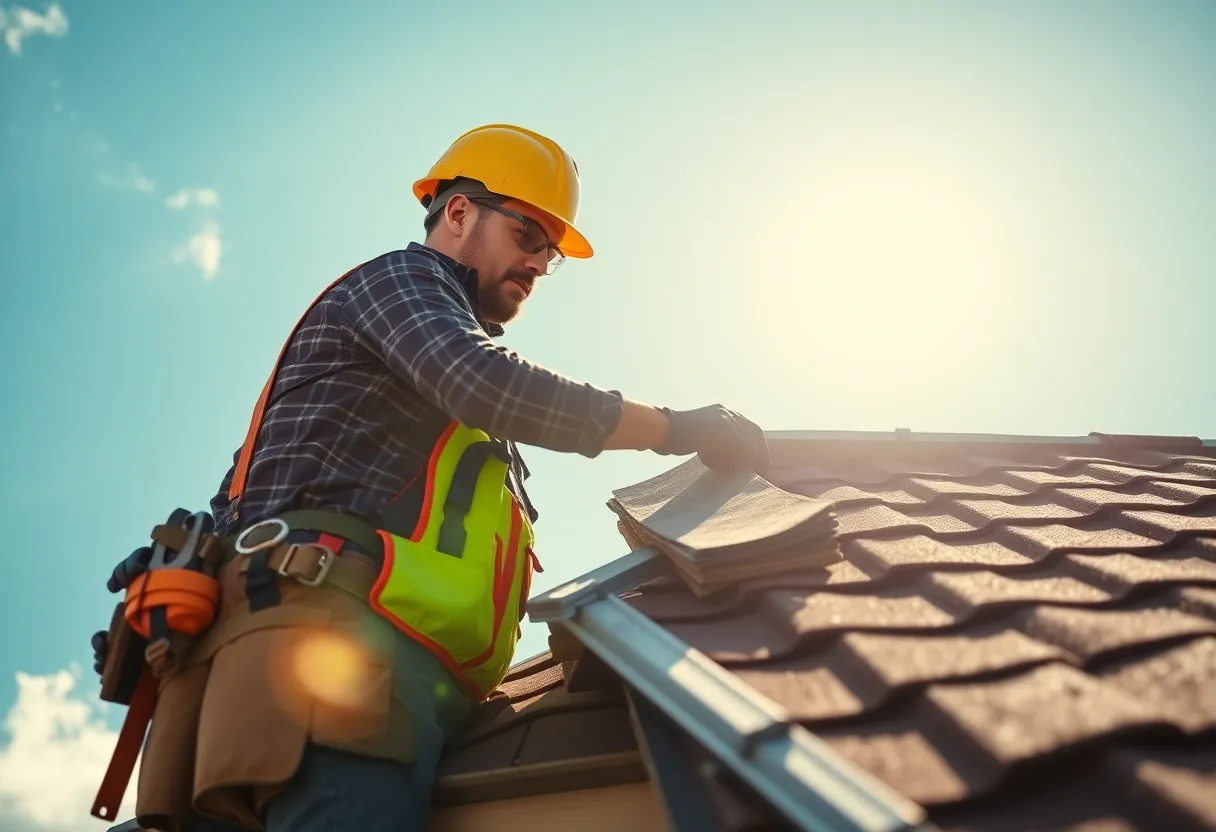
Choose an experienced contractor specializing in energy-efficient roofing installations. Proper installation is critical to maximizing the performance of any roofing system.
1. Verify Credentials
Ensure that the contractor is licensed and insured. Check reviews and ask for references to evaluate their work.
2. Request an Energy Audit
Many contractors offer energy audits which pinpoint areas for improvement in a home’s energy efficiency. This service can provide insights that guide your roofing selection.
Color and Aesthetic Choices
The color and style of your roof also impact energy efficiency. Lighter colors generally reflect more sunlight, while darker colors absorb heat. Keep in mind:
1. Compliance with HOA Rules
Many homeowners associations (HOAs) have guidelines regarding color and material choices. Check these rules before making a final decision.
2. Resale Value
Consider how the roof color and material will affect your home’s value. Choose styles that will not only improve energy efficiency but also appeal to future buyers.
Longevity and Environmental Impact
When evaluating roofing options, consider their environmental impact. Sustainable materials promote energy savings while reducing negative effects on the environment.
1. Recyclability
Select roofing materials that are recyclable at the end of their life cycle. Metal roofing, for instance, has an excellent track record for recyclability.
2. Sustainable Manufacturing
Research the manufacturing processes of roofing materials to ensure they align with sustainable practices. Opt for products that use fewer harmful chemicals in production.
Conclusion
Choosing the right roof for energy efficiency requires careful consideration of materials, climate, ratings, costs, and installation. By prioritizing these factors, homeowners can significantly enhance their home’s energy performance. An informed selection can lead to long-term savings and a more comfortable living environment, *making energy-efficient roofing an investment in your home’s future.*

Author: STAFF HERE LEXINGTON WRITER
The LEXINGTON STAFF WRITER represents the experienced team at HERELexington.com, your go-to source for actionable local news and information in Lexington, Fayette County, and beyond. Specializing in "news you can use," we cover essential topics like product reviews for personal and business needs, local business directories, politics, real estate trends, neighborhood insights, and state news affecting the area—with deep expertise drawn from years of dedicated reporting and strong community input, including local press releases and business updates. We deliver top reporting on high-value events such as Woodland Art Fair, Crave Food and Music Festival, and Railbird Festival. Our coverage extends to key organizations like Commerce Lexington and Blue Grass Community Foundation, plus leading businesses in education, manufacturing, and technology that power the local economy such as University of Kentucky, Toyota Motor Manufacturing, and Lexmark. As part of the broader HERE network, including HEREBowlingGreen.com and HERELouisville.com, we provide comprehensive, credible insights into Kentucky's dynamic landscape.
 Mays Contracting