

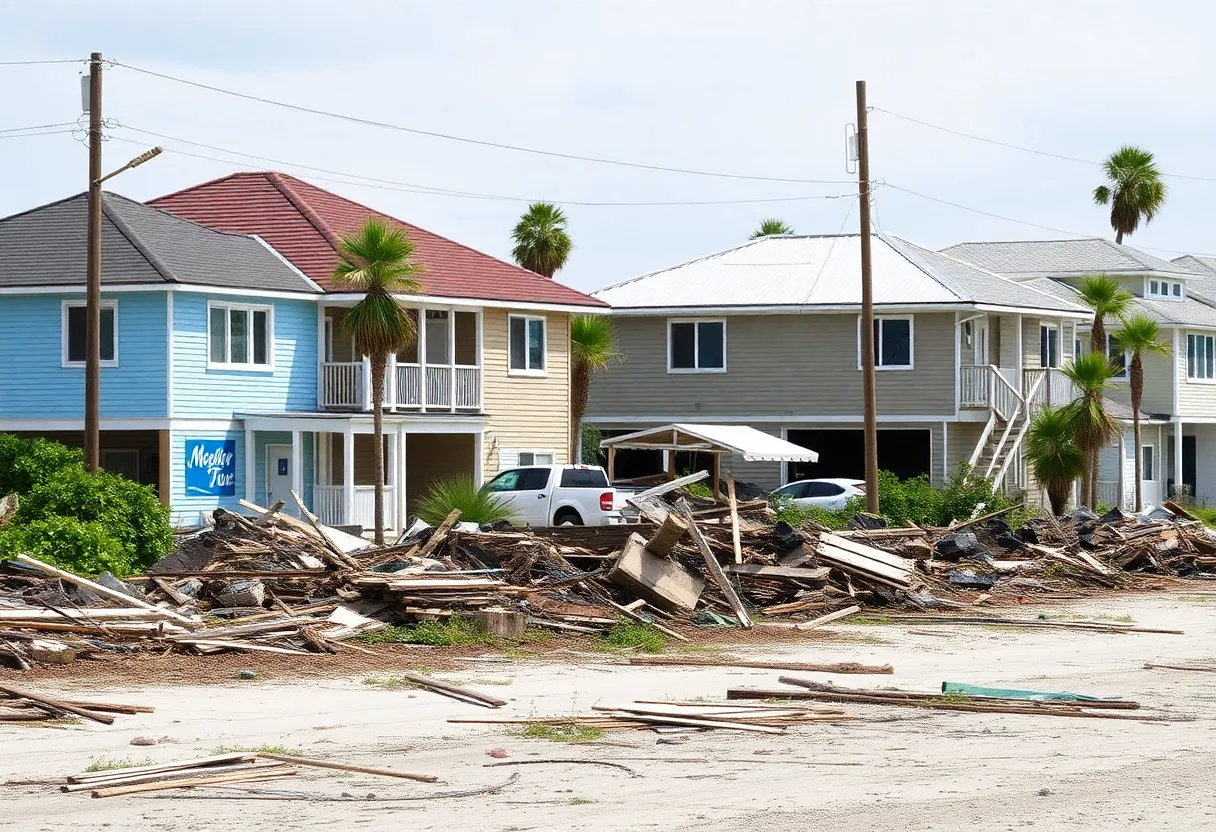
South Carolina Residents Reflect on Hurricane Helene’s Impact
Columbia, South Carolina – The devastation caused by Hurricane Helene in September 2024 is still fresh in the minds of many residents. Following the storm, the South Carolina Department of Natural Resources (DNR) held a meeting where state climatologist Hope Mizzell presented a detailed analysis of the hurricane’s effects.
The Who, What, Where, When, and Why of Helene
Who: The focus of Mizzell’s presentation was on the state officials and the public who were affected by the storm. The meeting highlighted the resilience of South Carolinians, as many were forced to navigate the aftermath of the hurricane.
What: Hurricane Helene was a powerful storm that brought destructive winds, heavy rainfall, and widespread damage across the state. Mizzell provided specific statistics illustrating the storm’s impact, including the strength of the winds and the total rainfall recorded.
Where: The storm affected various regions in South Carolina differently, leading to varied damage levels across the Palmetto State. Mizzell employed visual aids to show how specific areas were impacted.
When: The storm struck in mid-September 2024, causing significant challenges for residents as they dealt with the immediate aftermath and subsequent dry conditions that followed in October and early November.
Why: Mizzell emphasized the importance of understanding storms like Helene when considering future preparedness strategies, helping communities manage potential threats effectively.
Statistical Breakdown of Hurricane Helene
In addition to fierce winds, Helene deposited an astonishing amount of rainfall. Preliminary reports indicated that some regions recorded over 8 inches of rain, leading to localized flooding and further infrastructure damage. Mizzell discussed the implications of such rainfall, noting that it exacerbated the challenges of cleanup and restoration.
Aftermath and Recovery
As the state began to recover, Mizzell outlined the changing weather patterns following the storm. The months of October and November were marked by unseasonably warm and dry conditions. This unusual weather pattern shocked residents who were still grappling with the repercussions of the hurricane. Mizzell explained that such shifts can complicate recovery efforts and impact how communities rebuild.
Despite the trials posed by Hurricane Helene, the presentation served as a reminder of the importance of preparedness. Mizzell’s insights underscored the critical need for regional awareness of storm patterns and impacts to bolster future resilience among vulnerable populations.
A Community’s Response
The resilience of South Carolinians is evident as communities come together to assist those affected by the storm. Various organizations and volunteers initiated cleanup efforts, helping to clear roads and support displaced families. Local governments stay engaged, encouraging citizens to report damage and seek assistance as they navigate the long-tail effects of Hurricane Helene.
As South Carolina moves forward, residents remain vigilant, reflecting on the past while preparing for future storms. Mizzell’s data serves not only as a reminder of Helene’s wrath but also emphasizes the need for continuous community engagement and preparedness in the face of nature’s unpredictability.


Author: STAFF HERE LEXINGTON WRITER
The LEXINGTON STAFF WRITER represents the experienced team at HERELexington.com, your go-to source for actionable local news and information in Lexington, Fayette County, and beyond. Specializing in "news you can use," we cover essential topics like product reviews for personal and business needs, local business directories, politics, real estate trends, neighborhood insights, and state news affecting the area—with deep expertise drawn from years of dedicated reporting and strong community input, including local press releases and business updates. We deliver top reporting on high-value events such as Woodland Art Fair, Crave Food and Music Festival, and Railbird Festival. Our coverage extends to key organizations like Commerce Lexington and Blue Grass Community Foundation, plus leading businesses in education, manufacturing, and technology that power the local economy such as University of Kentucky, Toyota Motor Manufacturing, and Lexmark. As part of the broader HERE network, including HEREBowlingGreen.com and HERELouisville.com, we provide comprehensive, credible insights into Kentucky's dynamic landscape.