

News Summary
Irmo, a small town near Lake Murray, is experiencing significant retail growth with establishments like Walmart booming. However, the town’s population has remained stagnant at around 12,000 residents for over thirty years. The lack of available land, infrastructural challenges, and community resistance to new housing developments limit growth prospects. While economic development is necessary to address rising housing prices, the town’s charm faces potential threats from future construction. Balancing preservation with growth remains a key challenge for Irmo as it navigates its evolving landscape.
Irmo Faces Population Growth Challenges Amid Retail Success
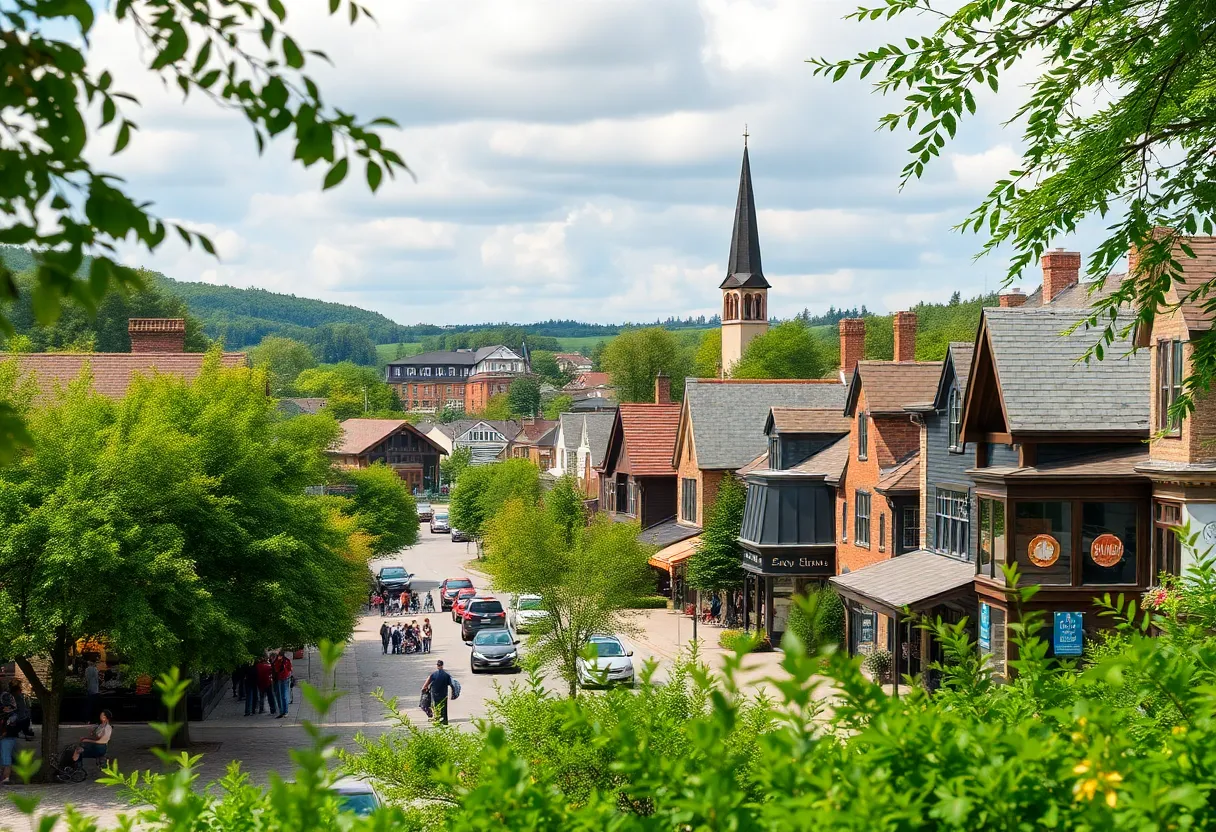
Welcome to Irmo, a charming town nestled close to Lake Murray, where the hustle and bustle of retail shopping is thriving, yet the population seems to be stuck in neutral. Once a quiet stretch of woods, Harbison Boulevard has blossomed into a busy shopping haven over the past few decades, primarily thanks to retail giants like Walmart setting up shop in the area.
A Look Back in Time
Let’s take a trip down memory lane. In the early 1990s, Chris Williams made the move to Irmo when the vibrant Harbison Boulevard was barely recognizable, surrounded by peaceful woodlands. Fast forward to today, and he has relocated his beloved diner, Roy’s Grille, to a new spot in town, joining the wave of businesses that have sprouted amid the new retail boom.
Population Numbers That Tells a Story
Despite the flourishing commercial scene, Irmo’s population has been remarkably stable, hovering around 12,000 residents for the past thirty years. Back in 1990, the numbers stood at about 11,400, which paints a picture of minimal growth. From 2011 to 2023, only about 400 new homes were constructed, a dismal number for a town surrounded by areas experiencing robust growth.
What’s Holding Irmo Back?
As neighboring counties like Richland and Lexington experience immense growth, it seems Irmo struggles to keep pace, thanks to a mix of limited available land and infrastructural challenges. Covering roughly seven square miles, Irmo is primarily developed, and options for new housing projects are running thin. Recent proposals, including a 550-unit mixed-use project, have met with resistance from residents who prefer the quiet life over a ricochet of construction noise.
The Economic Landscape
Interestingly, residents of Irmo enjoy the benefit of not paying property taxes, which makes the town funding landscape unique. Over a third of the town’s funds come from business permit fees and sales taxes. However, any annexation of residential properties raises financial concerns since added residents wouldn’t contribute taxes, affecting the budget balance.
Traffic Woes
As shopping districts expand, so does the traffic—and it’s becoming a real headache for the locals. Daily, around 8,800 to 12,800 cars find their way through the bustling Harbison shopping area. Finding your way around during peak hours can be a chore, with traffic congestion creating logistical challenges. Unfortunately, infrastructure improvements are a bit behind schedule, with ongoing projects around Interstate 26 aimed at easing some of these traffic pains.
Finding a Balance
The community is divided on how to approach growth. Some residents advocate for maintaining the town’s existing charm, favoring minimal development. On the other hand, many recognize the need for economic development and more housing to keep pace with rising home prices and urban pressures. Urban planning experts emphasize that adding more housing is crucial to balancing these needs. Looking outward, similar towns of the Midlands face similar dilemmas, navigating the rocky roads of gentrification, traffic increases, and the encroaching loss of rural land.
What Lies Ahead for Irmo?
The future of Irmo stands at a crossroads. Town leaders note the necessity for more housing to accommodate growth and improve infrastructure, but challenges remain. The balancing act between preserving the town’s character and embracing development will determine how Irmo evolves in the years to come. Will it maintain its quaint small-town feel, or will it morph into a bustling suburban hub amid the bustling retail landscape? Only time will tell.
Deeper Dive: News & Info About This Topic
HERE Resources
Bart’s Crazy Good Coffee Shop Closes in Ballentine
Irmo Residents Participate in Future Highway Discussions
New Housing Development Planned in Lexington County
New Shopping Center Planned for Lexington County
Teacher at White Knoll High School Faces Serious Charges
Exciting Insights into the 2025 Real Estate Market!
Gray Collegiate Academy to Expand with New Campus in Irmo
Columbia Receives $204 Million for Traffic Improvement Project
Columbia Launches $2 Billion Overhaul at Malfunction Junction
Additional Resources
- The State: Irmo Faces Population Growth Challenges Amid Retail Success
- Wikipedia: Population Growth
- Post and Courier: Irmo Vision 2035
- Google Search: Irmo Population Growth
- Lexington Chronicle: Where Population Growth is Booming
- Google Scholar: Irmo Traffic Congestion
- Patch: Charlotte Metro Population Growth
- Encyclopedia Britannica: Urban Planning
- WLTX: Community Program Helps Feral Cats in the Midlands
- Google News: Irmo Development


Author: STAFF HERE LEXINGTON WRITER
The LEXINGTON STAFF WRITER represents the experienced team at HERELexington.com, your go-to source for actionable local news and information in Lexington, Fayette County, and beyond. Specializing in "news you can use," we cover essential topics like product reviews for personal and business needs, local business directories, politics, real estate trends, neighborhood insights, and state news affecting the area—with deep expertise drawn from years of dedicated reporting and strong community input, including local press releases and business updates. We deliver top reporting on high-value events such as Woodland Art Fair, Crave Food and Music Festival, and Railbird Festival. Our coverage extends to key organizations like Commerce Lexington and Blue Grass Community Foundation, plus leading businesses in education, manufacturing, and technology that power the local economy such as University of Kentucky, Toyota Motor Manufacturing, and Lexmark. As part of the broader HERE network, including HEREBowlingGreen.com and HERELouisville.com, we provide comprehensive, credible insights into Kentucky's dynamic landscape.