

Columbia, South Carolina, September 8, 2025
News Summary
Bettie Player, a 98-year-old resident of West Columbia, shares her memories of growing up in the Olympia Mill village, the largest cotton mill in the world when it opened in 1899. Despite her parents’ desire for education over mill work, Bettie eventually contributed to the mill during her high school years. Her reflections provide insight into the industrial roots of the community and highlight the importance of preserving this historic site amidst modernization concerns.
Columbia, South Carolina – Bettie Player, a 98-year-old resident of West Columbia, recently reflected on her childhood spent in the historic Olympia Mill village. Player recalls her early years in the early 20th century, during which Olympia Mill was the largest cotton mill under one roof in the world when it opened in 1899. Her family’s legacy in the mill was profound; both of her parents began working there at a young age. Despite this mill heritage, Player’s parents prioritized education for their children and did not want Bettie and her brother to follow in their footsteps as mill workers.
In a twist of fate, Player and her brother briefly worked at the mill, an experience that shaped her reflections on the era. She worked in the employment office during her high school years, where she was responsible for creating identification badges for mill workers during World War II, a practice that included taking their photographs as a necessary safety measure. Player often cooked meals for her parents, who toiled in the mill, filling a basket with bowls of beans and rice covered by plates, as foil was not available at that time.
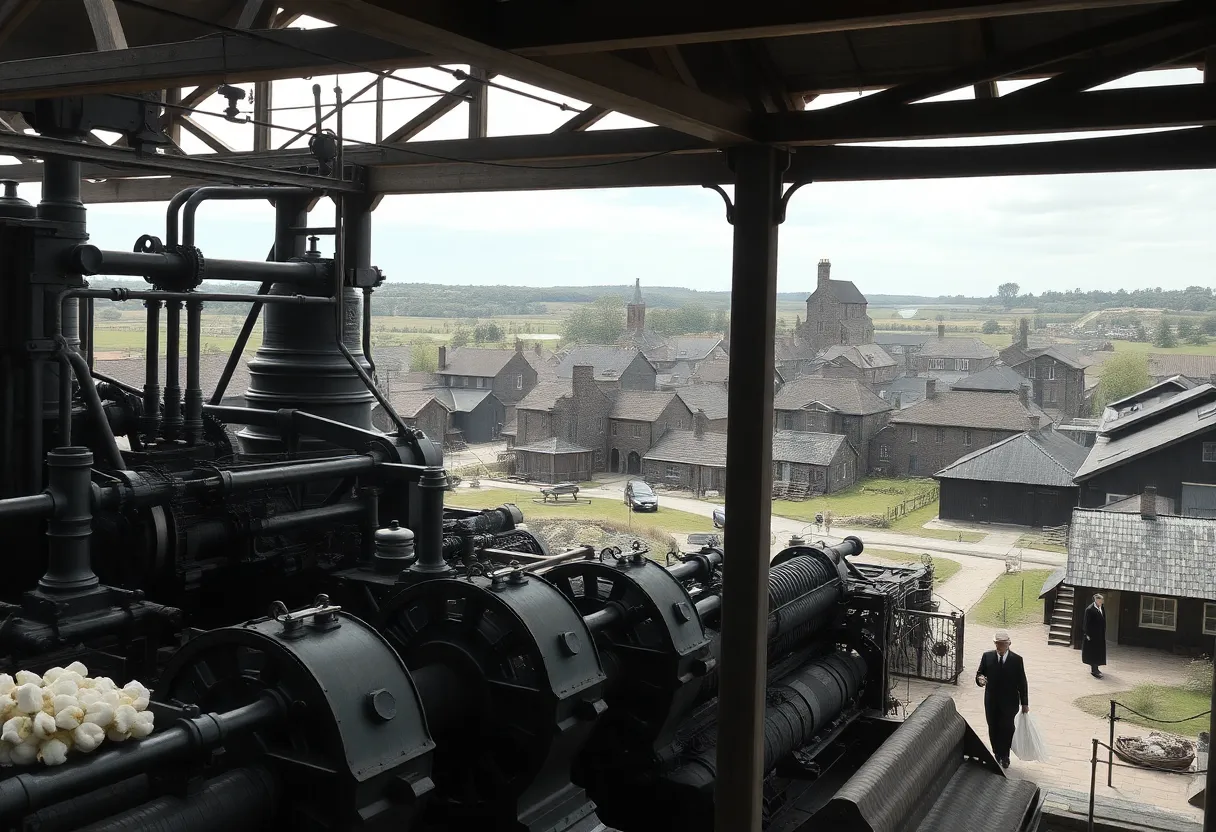
During her time at Olympia Mill, Player enjoyed visiting the mill’s tower, where she observed the intricate machinery at work. However, she was not permitted inside the mill itself. After finishing her shifts, she adhered to her parents’ instructions to bring home the empty bowls, being careful not to break them. Alongside her duties, Player was tasked with giving tours of the mill to visitors, although she found this challenging due to the discomfort of walking in high heels.
Following her high school graduation, Player married her sweetheart and eventually moved away from the Olympia area. Today, she resides in West Columbia and appreciates driving through her old neighborhood, which evokes cherished memories of her youth. However, she expressed concern over current plans to demolish homes in her former neighborhood, conveying that it would feel akin to destroying the lives of its residents. On a positive note, she is pleased with the preservation efforts surrounding Olympia Mill, which has been repurposed into a significant historical site to avoid demolition.
Olympia Mill has undergone a transformation since its inception, reflecting the changing landscape of the textile industry and the community’s commitment to heritage conservation. Player’s reflections not only highlight her personal journey but also illuminate the broader experience of those who lived and worked in the Olympia Mill village. Her nostalgic sentiments add depth to the understanding of a community shaped by its industrial roots.
Background of Olympia Mill
The Olympia Mill was established in 1899 in Columbia and quickly became an important industrial hub, symbolizing the rise of the American textile industry. As the largest cotton mill under one roof, it played a pivotal role in the local economy and the livelihoods of many families, including those of Bettie Player’s parents. The surrounding village was built to house mill workers, establishing a vibrant community that thrived on hard work and industrial labor.
Despite the once-thriving textile sector’s decline in recent years, the preservation of sites like Olympia Mill allows current and future generations to connect with the past and understand the industrial contributions that shaped their community.
FAQ
What is Olympia Mill?
Olympia Mill is a historic cotton mill established in 1899 in Columbia, South Carolina. It was recognized as the largest cotton mill under one roof globally at the time of its opening.
What was Bettie Player’s experience in the mill?
Bettie Player worked in the employment office of Olympia Mill during her high school years, creating identification badges for workers during World War II. She also cooked meals for her parents who worked in the mill.
Why did Bettie Player’s parents not want her to work in the mill?
Bettie Player’s parents emphasized the importance of education and wanted their children to pursue different opportunities rather than work in the mill.
What is the current status of Olympia Mill?
Olympia Mill has been preserved and transformed into an important historical site, helping to prevent its demolition and allowing the community to connect with its industrial heritage.
Key Features of Olympia Mill and Bettie Player’s Experience
| Feature | Description |
|---|---|
| Year Established | 1899 |
| Notable Size | Largest cotton mill under one roof in the world at opening |
| Bettie Player’s Age | 98 years old |
| Parental Influence | Emphasized education over mill work |
| Work Experience | Worked in the employment office and prepared badges for WWII workers |
| Community Concern | Worries about the demolition of homes in her childhood neighborhood |
| Preservation Efforts | Olympia Mill preserved as a historical site |
Deeper Dive: News & Info About This Topic
HERE Resources
Revitalization Efforts in Columbia’s Historic Mill District
Additional Resources
- WLTX: Bettie Player Remembers Olympia Mill
- Wikipedia: Olympia Mill
- The State: Exhibit at Olympia Mill
- Google Search: Olympia Mill Columbia
- Encyclopedia Britannica: Columbia
- ArcGIS: Olympia Mill Historical Map


Author: STAFF HERE LEXINGTON WRITER
The LEXINGTON STAFF WRITER represents the experienced team at HERELexington.com, your go-to source for actionable local news and information in Lexington, Fayette County, and beyond. Specializing in "news you can use," we cover essential topics like product reviews for personal and business needs, local business directories, politics, real estate trends, neighborhood insights, and state news affecting the area—with deep expertise drawn from years of dedicated reporting and strong community input, including local press releases and business updates. We deliver top reporting on high-value events such as Woodland Art Fair, Crave Food and Music Festival, and Railbird Festival. Our coverage extends to key organizations like Commerce Lexington and Blue Grass Community Foundation, plus leading businesses in education, manufacturing, and technology that power the local economy such as University of Kentucky, Toyota Motor Manufacturing, and Lexmark. As part of the broader HERE network, including HEREBowlingGreen.com and HERELouisville.com, we provide comprehensive, credible insights into Kentucky's dynamic landscape.