
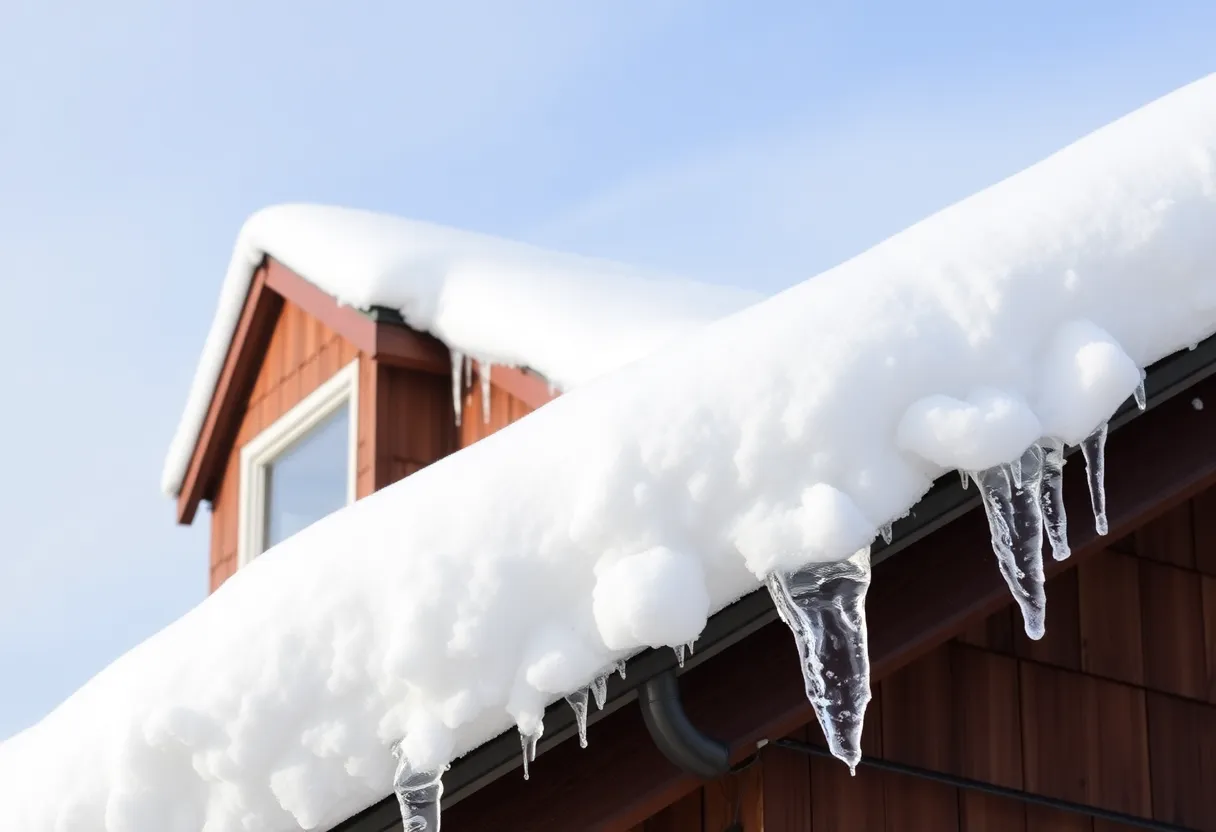
How Do I Ensure My Roof Can Handle Heavy Snow Loads?
Understanding Snow Loads
The first step in ensuring your roof can handle heavy snow loads is to understand what snow loads are. Snow loads refer to the weight of snow on your roof, which is crucial for structural integrity during winter months. The amount of snow load your roof must support can depend heavily on geographic location, roof composition, and architectural style.
Factoring in Snow Load Requirements
When determining if your roof can handle heavy snow loads, consider the following:
1. Local Building Codes
Every region has specific building codes that dictate the required snow load. These codes take into account historical weather data and geographical features. Familiarize yourself with these regulations to ensure your roof meets the necessary standards.
2. Roof Design and Shape
The design of your roof plays a significant role in snow load management. Steeper roofs are generally more effective at shedding snow, while flat roofs may accumulate significant amounts of snow that can lead to structural failure if not properly designed and maintained.
3. Roof Material
The materials used in the roof’s construction can influence its ability to withstand heavy snow. For instance, metal roofs provide better performance in snowy conditions due to their slick surface, which allows snow to slide off easily. Conversely, asphalt shingles may accumulate snow more easily, posing a potential risk during heavy snowfall.
Assessing Your Roof
A critical step in ensuring your roof can handle snow loads is to conduct a thorough assessment.
1. Inspect for Damage
Before winter arrives, conduct a detailed inspection of your roof. Look for signs of damage such as cracked shingles, loose flashing, or sagging rafters. Addressing these issues before heavy snowfalls can significantly improve the strength and durability of your roof.
2. Check the Structural Integrity
Consult with a structural engineer to evaluate the load-bearing capacity of your roof’s framework. They will assess the rafters, joists, and trusses to determine if they are structurally sound and capable of handling additional weight from snow accumulations.
Enhancing Roof Capacity
If your initial assessments indicate that your roof may struggle with heavy snow loads, there are several steps you can take to enhance its capacity.
1. Reinforce the Roof Structure
Reinforcing the roof structure is often necessary to improve load-bearing capabilities. This can involve adding new support beams or bracing existing ones, thereby distributing the weight more evenly across the roof structure. Consult a professional for guidance on how to effectively reinforce your roof.
2. Install Snow Guards
Snow guards are an effective way to manage snow accumulation. These devices help retain snow on the roof until it can naturally melt or slide off in a controlled manner, reducing the risk of heavy snow loads affecting your roof’s structural integrity.
3. Regular Maintenance
Consistent maintenance is essential for avoiding snow load issues. Regularly clear snow and ice from your roof, particularly after significant storms. Monitor and clean gutters to prevent ice dam formation, which can lead to water infiltration and structural damage.
Understanding the Risks of Heavy Snow Loads
Heavy snow loads can pose significant risks to both the roof and the occupants of the building. It is crucial to recognize these risks to address potential issues proactively.
1. Roof Collapse
The most serious consequence of not addressing snow loads is roof collapse. A roof that is unable to withstand the weight of heavy snow can give way, leading to severe property damage and posing safety risks to occupants.
2. Water Damage
Excessive snow accumulation increases the risk of water damage. When snow melts and cannot properly drain, it can lead to leaks and structural compromise over time. This can result in costly repairs and deterioration of building materials.
Conclusion
Ensuring your roof can handle heavy snow loads requires a comprehensive understanding of snow loads, thorough inspection, and proactive measures. By familiarizing yourself with local building codes, assessing your roof, and taking necessary actions to enhance its strength, you can protect your home from the risks posed by winter snowfall.
Taking these steps not only helps secure the integrity of your roof but also ensures a safe environment during the winter months. Invest the time and resources necessary to safeguard your property; your roof’s health is a direct reflection of your home’s overall safety.

Author: STAFF HERE LEXINGTON WRITER
The LEXINGTON STAFF WRITER represents the experienced team at HERELexington.com, your go-to source for actionable local news and information in Lexington, Fayette County, and beyond. Specializing in "news you can use," we cover essential topics like product reviews for personal and business needs, local business directories, politics, real estate trends, neighborhood insights, and state news affecting the area—with deep expertise drawn from years of dedicated reporting and strong community input, including local press releases and business updates. We deliver top reporting on high-value events such as Woodland Art Fair, Crave Food and Music Festival, and Railbird Festival. Our coverage extends to key organizations like Commerce Lexington and Blue Grass Community Foundation, plus leading businesses in education, manufacturing, and technology that power the local economy such as University of Kentucky, Toyota Motor Manufacturing, and Lexmark. As part of the broader HERE network, including HEREBowlingGreen.com and HERELouisville.com, we provide comprehensive, credible insights into Kentucky's dynamic landscape.
 Mays Contracting