

How to Effectively Identify and Repair Roof Leaks: A DIY Step-by-Step Guide
Identifying and repairing roof leaks is essential for maintaining the structural integrity of your home. Roof leaks can lead to significant damage if not addressed promptly. This guide provides a comprehensive, step-by-step approach to help homeowners tackle this issue effectively.
Understanding Roof Leaks
Roof leaks occur when water infiltrates the roofing system. This can happen due to various factors, including:
- Weather Conditions: Intense storms or heavy snowfall can wear down roofing materials.
- Poor Installation: Improperly installed roofing can lead to vulnerabilities.
- Aging Materials: Older roofs are more susceptible to leaks.
Step-by-Step Guide to Identify Roof Leaks
Step 1: Inspect the Roof
Begin by examining the roof from the ground using binoculars. Look for:
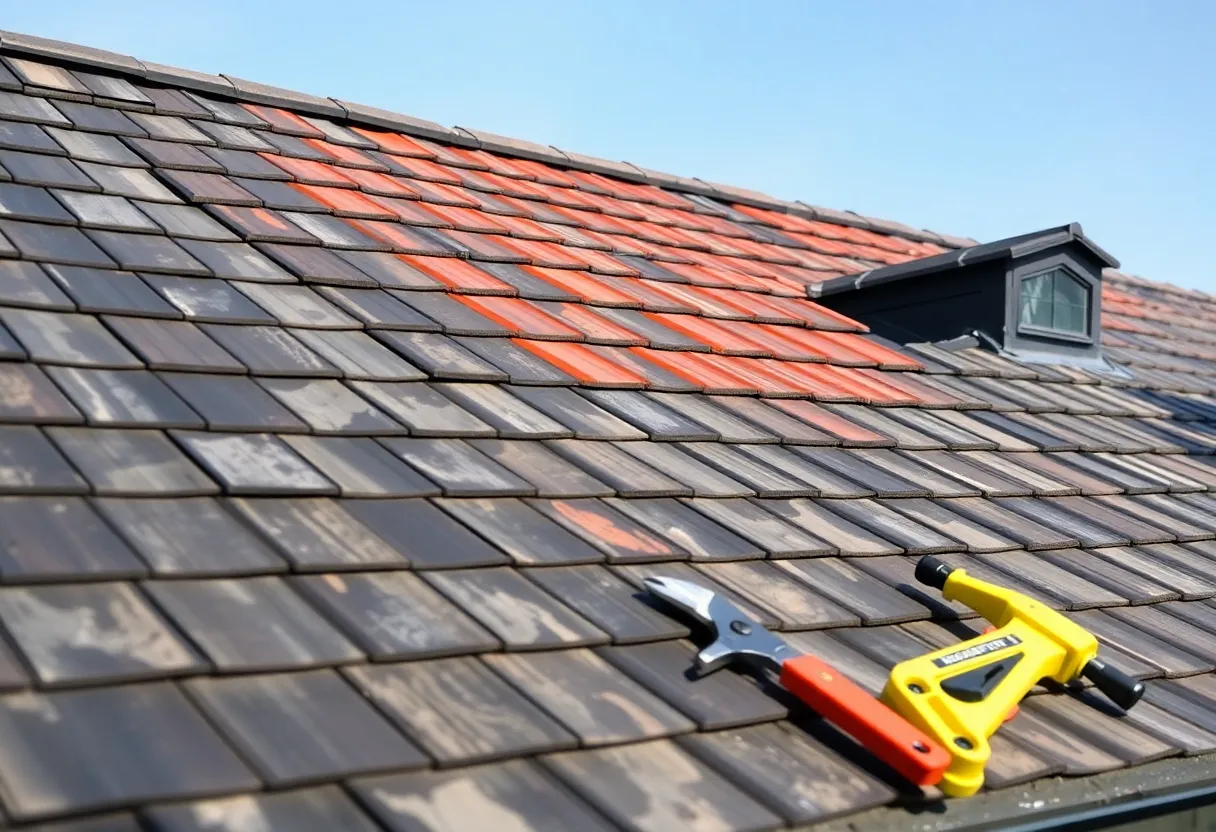
- Missing Shingles: Shingles that are cracked, curled, or completely absent.
- Punctures: Holes or damage caused by debris or ice dams.
- Pooling Water: Areas where water collects after rainfall.
Step 2: Check the Attic
The attic is often the best place to spot leaks. Look for:
- Water Stains: Discoloration or brown spots on the ceiling or walls.
- Mold Growth: Signs of moisture can indicate a water source.
- Dripping Water: Listen for any sounds that could suggest a leak.
Step 3: Perform a Water Test
If visual inspections don’t reveal the source, conduct a water test:
- Have a helper go onto the roof with a hose.
- Starting from the bottom of the roof, spray water upwards for about 15 minutes.
- Check the attic for signs of leakage during the test.
Step 4: Document Your Findings
Keep records of all inspections and findings. This will help you track repeated issues or provide information for professional services if needed.
Repairing Roof Leaks
Step 5: Gather Necessary Tools and Materials
Before you begin repairs, collect the following:
- Personal Protective Equipment: Gloves, safety goggles, and a sturdy ladder.
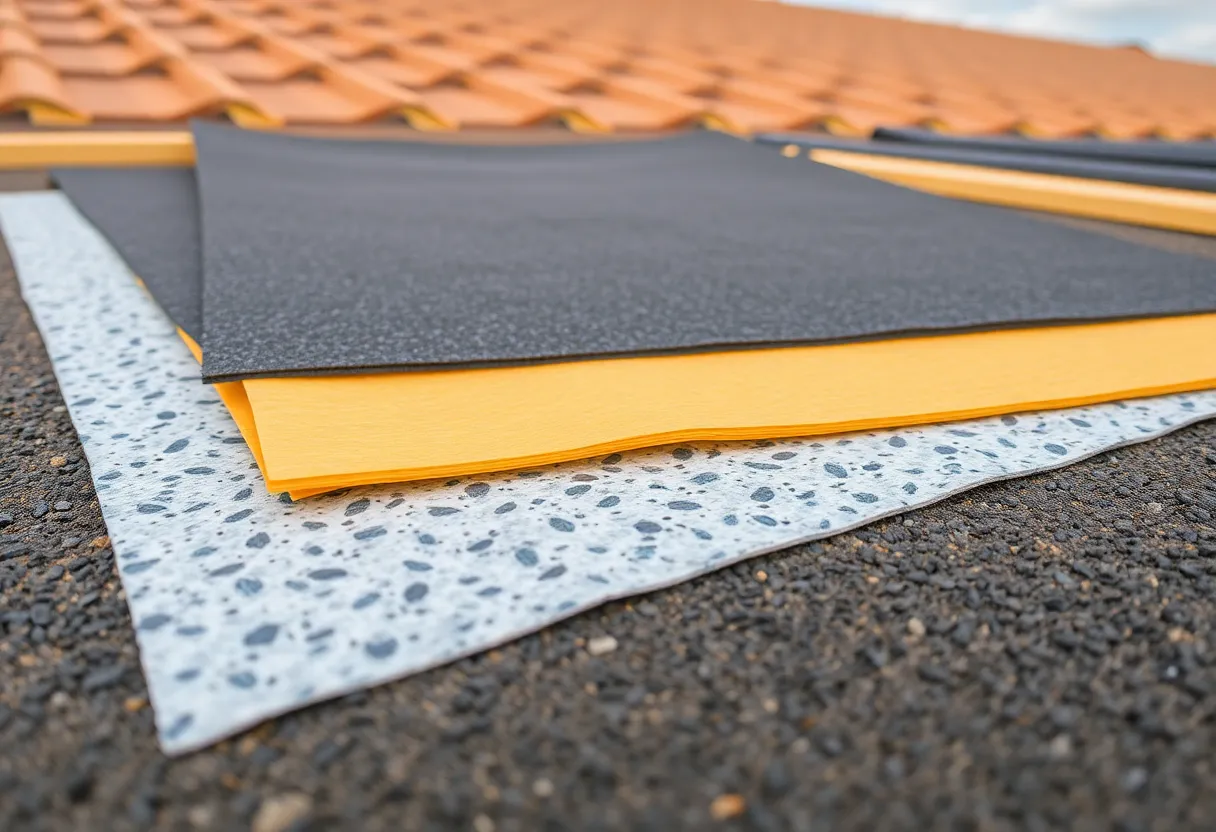
- Roofing Materials: Shingles, roofing cement, or sealant.
- Tools: Hammer, utility knife, and trowel.
Step 6: Repair Roof Shingles
If missing or damaged shingles are identified, follow these steps:
- Remove the damaged shingle by prying it up with a flat bar.
- Slide the new shingle underneath overlapping shingles.
- Secure it in place with roofing nails and sealant.
Step 7: Fix Roof Penetrations
For areas around vents, chimneys, or skylights, apply roofing cement or flashing:
- Remove any old flashing or sealant.
- Apply a generous amount of roofing cement around the penetration.
- Place the flashing and seal it tightly against the roof surface.
Step 8: Seal Cracks and Gaps
Use roofing sealant to fill in small cracks or gaps:
- Apply sealant using a caulking gun.
- Ensure even coverage without leaving bubbles.
Step 9: Clean Up
Make sure to remove any debris or materials used during the repair. Keeping the area tidy helps prevent future issues.
Maintaining Your Roof
Regular roof maintenance can prevent leaks from developing:
- Regular Inspections: Check the roof at least twice a year, especially after severe weather.
- Clean Gutters: Ensure gutters and downspouts are clear to prevent water backup.
- Trim Overhanging Branches: This prevents damage and debris accumulation on the roof.
When to Call a Professional
Sometimes, a DIY repair may not suffice. Call a professional when:
- The roof sustains extensive damage.
- Multiple leaks are present.
- Safety concerns arise, particularly with steep roofs.
Conclusion
Identifying and repairing roof leaks is vital for homeowners to safeguard their properties. By following this step-by-step guide, you can effectively manage minor leaks and prolong the lifespan of your roof. In cases of extensive damage or difficulty, consult a professional to ensure proper repair and maintenance.

Author: STAFF HERE LEXINGTON WRITER
The LEXINGTON STAFF WRITER represents the experienced team at HERELexington.com, your go-to source for actionable local news and information in Lexington, Fayette County, and beyond. Specializing in "news you can use," we cover essential topics like product reviews for personal and business needs, local business directories, politics, real estate trends, neighborhood insights, and state news affecting the area—with deep expertise drawn from years of dedicated reporting and strong community input, including local press releases and business updates. We deliver top reporting on high-value events such as Woodland Art Fair, Crave Food and Music Festival, and Railbird Festival. Our coverage extends to key organizations like Commerce Lexington and Blue Grass Community Foundation, plus leading businesses in education, manufacturing, and technology that power the local economy such as University of Kentucky, Toyota Motor Manufacturing, and Lexmark. As part of the broader HERE network, including HEREBowlingGreen.com and HERELouisville.com, we provide comprehensive, credible insights into Kentucky's dynamic landscape.
 Mays Contracting