
How Can You Ensure Your Roof is Ready for Heavy Rainfall?
When heavy rains approach, ensuring that your roof is prepared can save you from costly repairs and significant structural damage. An effective roofing system protects your home not just from rain but from wind and various weather conditions. Here are critical steps to take to ensure your roof withstands heavy rainfall.
Conduct Regular Assessments
The first step in maintaining a rain-ready roof is to conduct regular assessments. Schedule inspections at least twice a year—once in spring and once in autumn. This proactive approach allows for the identification of wear and tear, which needs immediate attention.
Look for Damaged Shingles
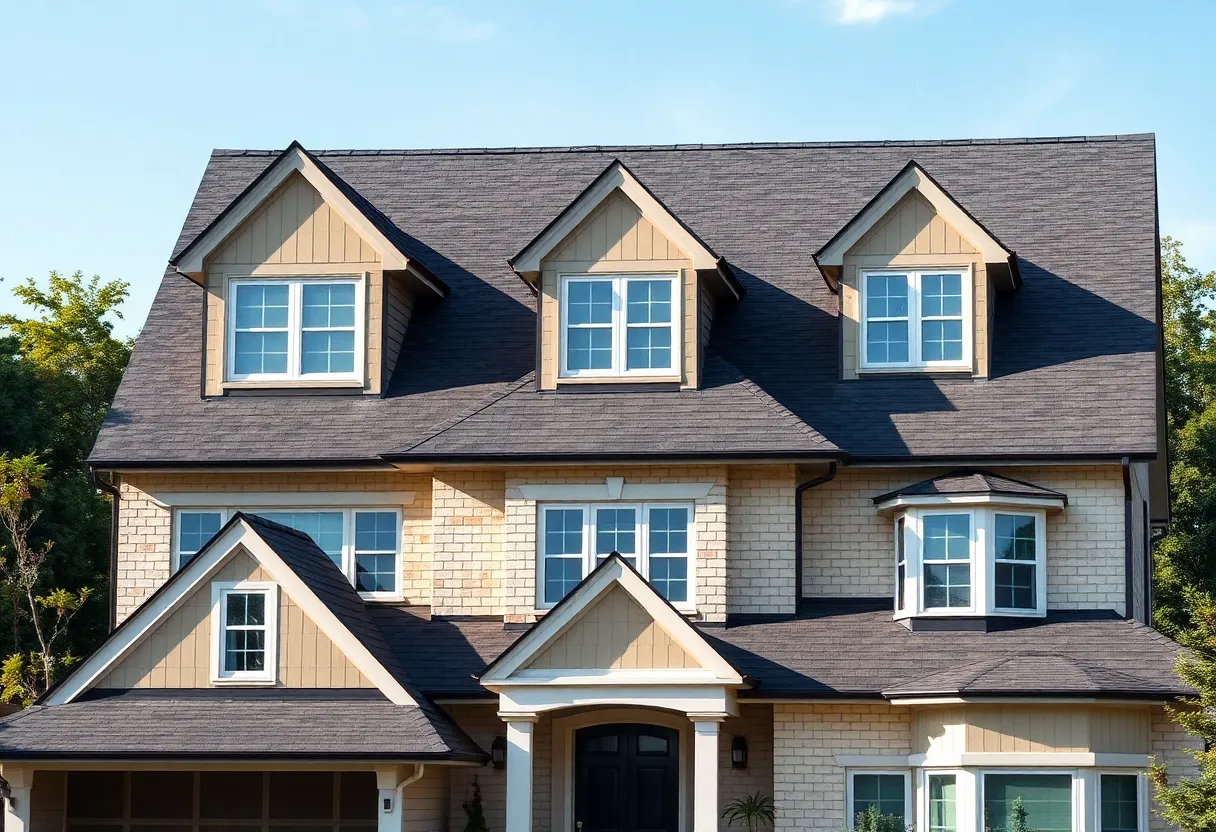
Inspect your shingles closely. Look for cracks, buckling, or missing shingles. Any visible damage could lead to water infiltration during heavy rains. Replace damaged shingles as soon as possible to prevent further issues.
Check Flashing and Seals
Flashing is integral to roof integrity, particularly around chimneys, vents, and skylights. Damaged flashing or seals can result in leaks. Inspect these areas and replace any worn or damaged materials.
Clear Gutters and Downspouts
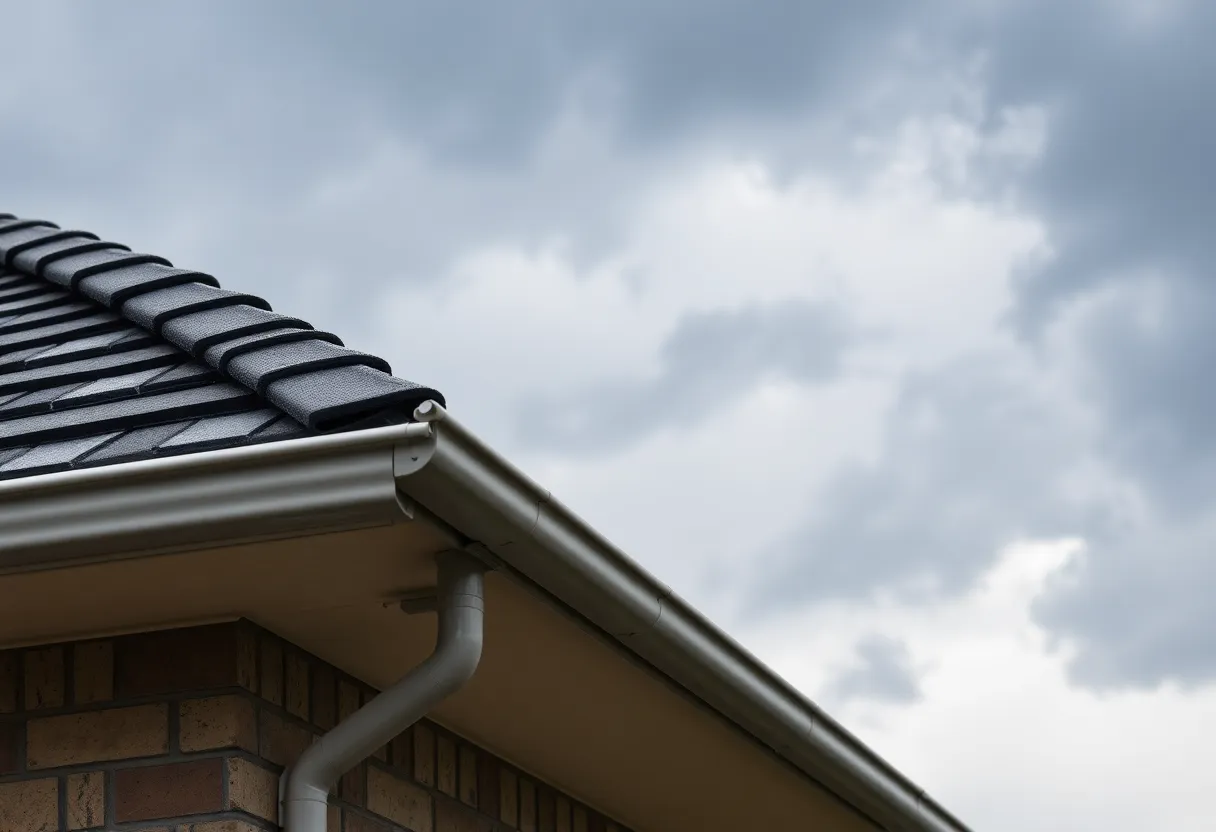
Clogged gutters and downspouts can lead to water pooling on your roof and eventually leak into your home. Regularly clearing these components is essential, especially before the onset of heavy rain.
Cleaning Techniques
Use a garden trowel to remove debris from gutters. A hose can help clear out stubborn clogs. Additionally, consider installing mesh guards that reduce debris accumulation.
Downspouts Functionality
Ensure downspouts direct water away from the foundation. They should be positioned to carry water at least six feet away from the house. This measure prevents soil erosion and potential flooding in your basement.
Inspect the Roof Structure
A roof that is sagging or has structural issues is at a high risk during heavy rainfall. These concerns can lead to significant complications beyond simple leaks.
Look for Signs of Weakness
Notice any sagging areas on your roof. This could indicate underlying structural issues. If you find such signs, consult a professional for a thorough evaluation.
Attic Inspection
Check your attic for signs of water damage, which may indicate roofing problems. Look for stained rafters or insulation that appears wet. If you find signs of damage, it’s imperative to address these issues before they escalate.
Inspect Drainage Systems
Proper roof drainage is critical for heavy rainfall. If water cannot drain efficiently, it will pool and create additional pressure on your roofing system.
Integration with Gutters
Your drainage system should work seamlessly with your gutters. Ensure that there are no blockages—water should flow smoothly through the channels.
Flat Roof Considerations
If you have a flat roof, be especially vigilant about drainage. These roofs require built-in drainage systems that can manage water effectively during heavy rains. Ensure these systems are functioning correctly.
Install a Roof Barrier
Investing in roof barriers can provide extra protection against heavy rainfall. Membrane systems, for example, create a waterproof layer that protects the underlying structural elements.
Types of Barriers
Consider synthetic underlayment or waterproof membrane options. These products prevent water penetration and extend the longevity of your roofing materials.
Regular Maintenance and Repairs
Maintaining your roof involves consistent upkeep. Regular maintenance can prevent smaller issues from escalating into larger problems.
Routine Inspections
Keep a regular inspection schedule for your roof. Watch for signs of damage after severe weather. Prompt action can prevent leaks and extensive damage.
Professional Assistance
Don’t hesitate to hire professional roofing services for complicated issues. They can provide comprehensive inspections and repairs. Their expertise can ensure your roof meets necessary safety standards.
Know When to Replace Your Roof
Sometimes, a roof reaches the end of its lifespan, and it becomes more cost-effective to replace it rather than repair it continuously.
Age of the Roof
Most roofs last between 20 to 25 years. If your roof is nearing this age, begin planning for a replacement. An older roof is more likely to suffer during heavy rains.
Continuous Leaks
If you find yourself constantly repairing leaks, it may indicate structural problems that a patch will not resolve. Consider a full replacement as a long-term solution.
Plan for Emergency Situations
Preparation is key when anticipating heavy rain. Have an emergency plan in place to respond effectively to severe weather, minimizing potential damage.
Emergency Supplies
Keep emergency supplies like tarps and buckets on hand. In the event of a leak, you will want materials that can temporarily cover any openings until professional help arrives.
Insurance Preparedness
Review your homeowner’s insurance policy. Ensure you are covered for unexpected roof damage. Knowing your coverage can help manage potential financial stresses during emergencies.
Educate Household Members
Making sure every household member is aware of the roof maintenance plan can contribute to its longevity. Educate them on how to identify potential issues and when to report them.
Reporting Damages
Encourage family members to notify someone when they spot signs of leaks or sagging. An early alert can make a significant difference in prevention.
Final Thoughts
Heavy rainfall poses risks to your home’s roofing system, but adequate preparation can mitigate potential hazards. Regular assessments, timely repairs, and informed maintenance practices can ensure your roof is ready to handle adverse weather conditions. By taking proactive steps, you can extend the lifespan of your roofing system and safeguard your home.

Author: STAFF HERE LEXINGTON WRITER
The LEXINGTON STAFF WRITER represents the experienced team at HERELexington.com, your go-to source for actionable local news and information in Lexington, Fayette County, and beyond. Specializing in "news you can use," we cover essential topics like product reviews for personal and business needs, local business directories, politics, real estate trends, neighborhood insights, and state news affecting the area—with deep expertise drawn from years of dedicated reporting and strong community input, including local press releases and business updates. We deliver top reporting on high-value events such as Woodland Art Fair, Crave Food and Music Festival, and Railbird Festival. Our coverage extends to key organizations like Commerce Lexington and Blue Grass Community Foundation, plus leading businesses in education, manufacturing, and technology that power the local economy such as University of Kentucky, Toyota Motor Manufacturing, and Lexmark. As part of the broader HERE network, including HEREBowlingGreen.com and HERELouisville.com, we provide comprehensive, credible insights into Kentucky's dynamic landscape.
 Mays Contracting