
How to Effectively Design a Roof for Optimal Airflow and Ventilation
The design of a roof significantly impacts the overall ventilation and airflow within a building. Properly designed roofs can enhance energy efficiency, improve indoor air quality, and extend the lifespan of the roofing materials. This article discusses essential strategies to create roof designs that facilitate optimal airflow and ventilation.
The Importance of Roof Ventilation
Roof ventilation plays a critical role in maintaining a comfortable indoor climate. Effective ventilation prevents heat buildup in the attic space, mitigating issues such as moisture accumulation, mold growth, and structural damage. By ensuring proper airflow, homeowners can enjoy a healthier living environment while reducing energy consumption.
Types of Roof Ventilation Systems
Understanding the types of roof ventilation systems is crucial for effective design. Predominantly, there are two types of ventilation: passive and active.
- Passive Ventilation: This system relies on natural airflow, utilizing techniques such as vents, ridges, and soffits to create a flow of air without mechanical assistance. Heat rises, causing warmer air to escape through higher openings while cooler air enters from lower points, promoting a continuous cycle.
- Active Ventilation: This method uses mechanical devices like fans to enhance airflow. Though more effective in certain situations, active systems require energy, which can lead to increased operational costs.
Critical Design Considerations
To design a roof that supports optimal airflow and ventilation, several elements must be considered.
1. Roof Shape and Angle
Roof shape and pitch influence airflow significantly. Gable roofs, for example, facilitate better airflow compared to flat roofs. A steeper slope allows heat to escape more efficiently, enhancing the overall ventilation. Aim for a pitch of at least 3:12 for optimal airflow.
2. Ridge Ventilation
Incorporating ridge vents at the peak of the roof allows hot air to escape effectively. These openings can be covered with protective mesh to prevent the entry of pests while maximizing airflow. Ensure that ridge vents are at least equal in length to the total intake vents.
3. Soffit Vents
Strategically placing soffit vents encourages fresh air to enter the attic space from below. These vents should be installed at the eaves, allowing cooler air to displace warmer air rising to the peak. A balance between intake and exhaust is vital for sustaining adequate airflow.
4. Gable and Dormer Vents
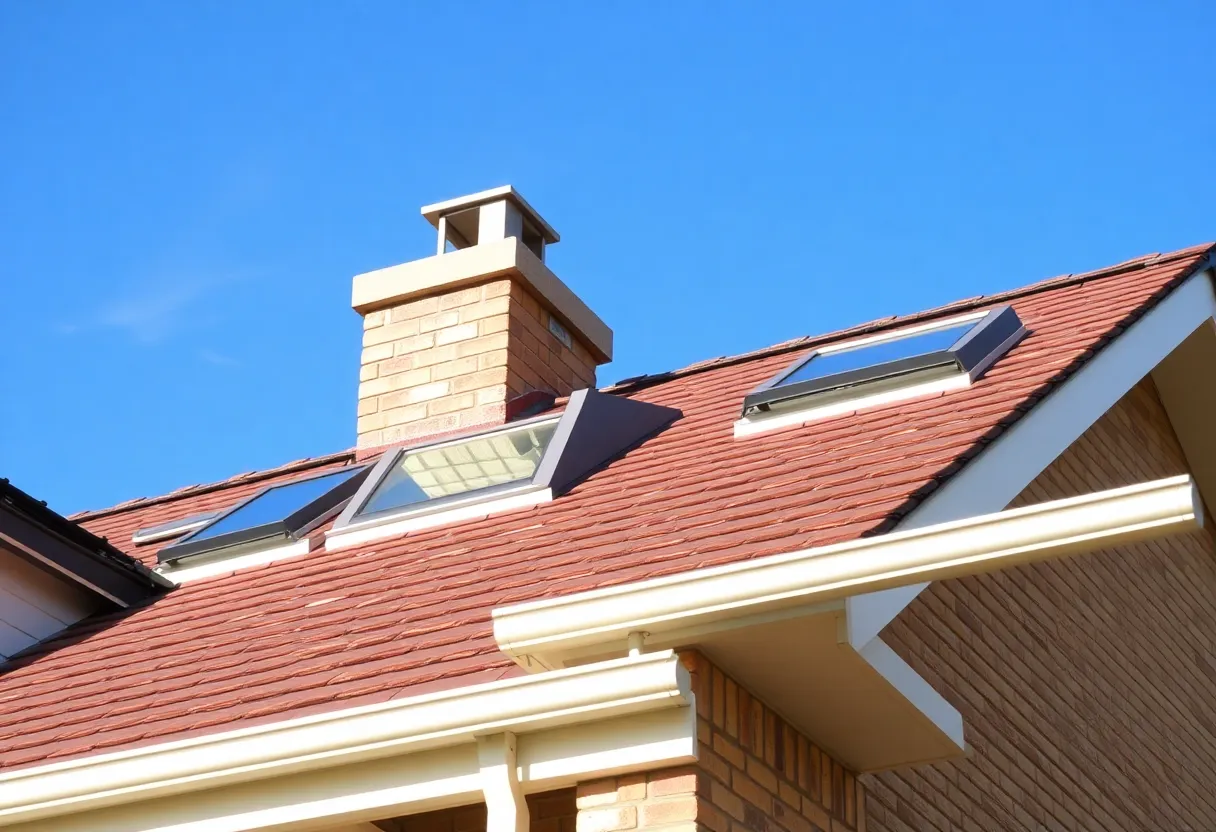
Adding gable or dormer vents can enhance ventilation in specific roof sections. These vents can be designed to complement the overall aesthetic of the building while providing additional pathways for air to flow in and out.
5. Insulation Placement
Proper insulation is essential for maintaining effective ventilation. Insulation should never block ventilation pathways, as it can lead to stagnant air and moisture buildup. Adequate airflow around insulation can prevent overheating and structural damage.
Calculating Adequate Ventilation Levels
A well-ventilated roof should maintain a balance between intake and exhaust. A common guideline is to ensure 1 square foot of vent area for every 150 square feet of attic space, though specific needs may vary based on climate and roof design.
Understanding Local Building Codes
Before proceeding with roof design, consult local building codes and regulations. These guidelines often include requirements for ventilation levels, helping ensure compliance while optimizing ventilation strategies.
Common Ventilation Mistakes to Avoid
Designing an effective roof involves avoiding common pitfalls that hinder ventilation.
1. Insufficient Intake Vents
Many homeowners overlook the importance of sufficient intake vents. Failing to provide enough intake vents can lead to pressure imbalances, resulting in inadequate airflow. Aim for at least 50% of the total vent area to be designated for intake to enhance effectiveness.
2. Blocked Vents
It is crucial to keep all vents clear of obstructions. Overhanging tree branches, debris, and accumulated snow can impede airflow. Regular maintenance and inspections ensure that vents remain functional.
3. Improperly Sized Vents
Choosing vents that are too small can restrict airflow. Assess the roof dimensions, desired airflow rates, and climate to determine appropriate vent sizes. An undersized ventilation system may lead to inefficiencies and increased energy costs.
Utilizing Advanced Technologies
Incorporating technology can further enhance roof ventilation and airflow. Consider the following options:
1. Solar-Powered Attic Fans
Solar-powered attic fans are designed to pull hot air from the attic using solar energy. These fans enhance the natural convection process, significantly improving airflow without adding to energy bills.
2. Smart Ventilation Systems
Smart ventilation systems utilize sensors to monitor temperature and humidity levels, adjusting airflow accordingly. These systems optimize energy efficiency while maintaining a comfortable indoor environment.
Final Thoughts
Designing a roof for optimal airflow and ventilation requires a comprehensive understanding of both architectural considerations and airflow mechanics. Properly executed ventilation strategies extend the life of roofing materials and improve indoor conditions, creating a more energy-efficient and healthier living space. By studying the fundamentals outlined in this article, homeowners and builders can effectively create roof designs that promote excellent airflow and facilitate efficient ventilation.

Author: STAFF HERE LEXINGTON WRITER
The LEXINGTON STAFF WRITER represents the experienced team at HERELexington.com, your go-to source for actionable local news and information in Lexington, Fayette County, and beyond. Specializing in "news you can use," we cover essential topics like product reviews for personal and business needs, local business directories, politics, real estate trends, neighborhood insights, and state news affecting the area—with deep expertise drawn from years of dedicated reporting and strong community input, including local press releases and business updates. We deliver top reporting on high-value events such as Woodland Art Fair, Crave Food and Music Festival, and Railbird Festival. Our coverage extends to key organizations like Commerce Lexington and Blue Grass Community Foundation, plus leading businesses in education, manufacturing, and technology that power the local economy such as University of Kentucky, Toyota Motor Manufacturing, and Lexmark. As part of the broader HERE network, including HEREBowlingGreen.com and HERELouisville.com, we provide comprehensive, credible insights into Kentucky's dynamic landscape.
 Mays Contracting