
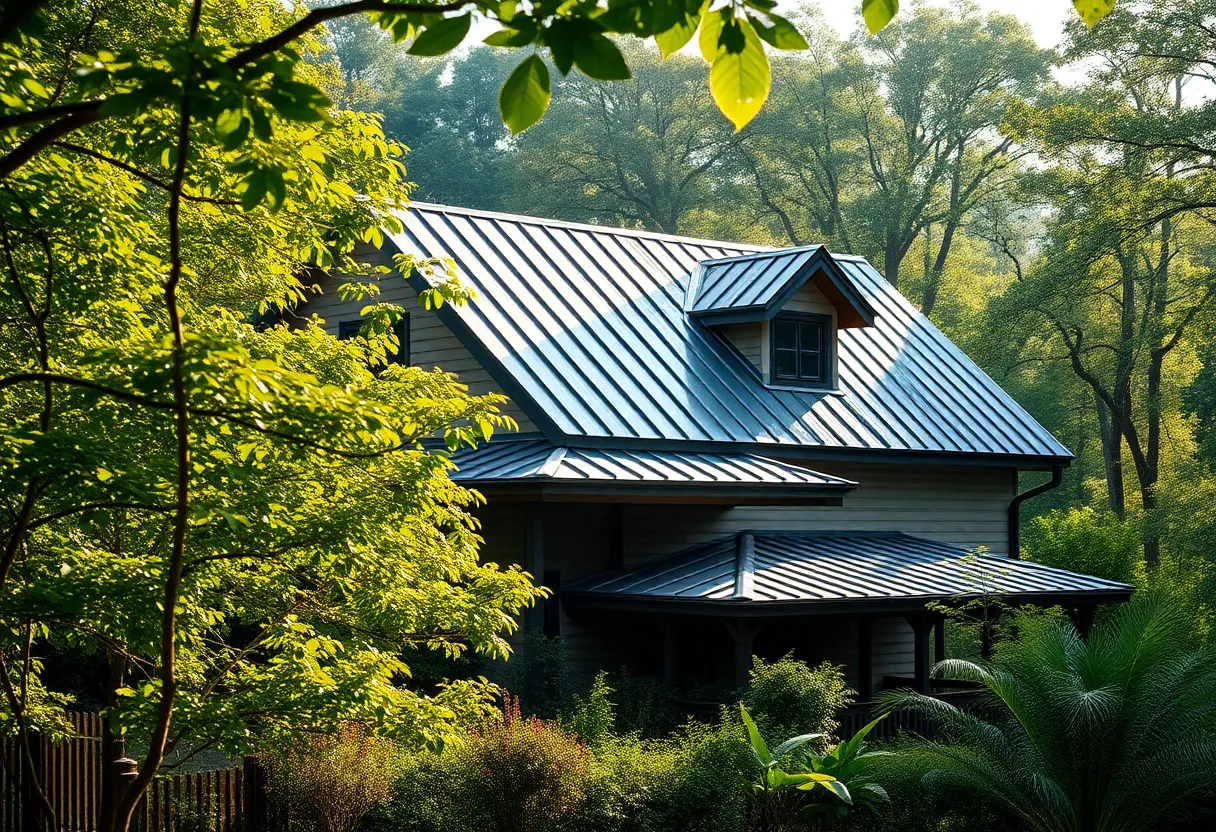
How to Choose the Right Roofing System for High Humidity Areas: Essential Tips for Homeowners
Selecting an appropriate roofing system is critical for homeowners in high humidity regions. High moisture levels can present unique challenges that can significantly affect the lifespan and performance of roofing materials. Choosing wisely can prevent potential issues, saving time and money in the long run.
Understanding Humidity’s Impact on Roofing
High humidity increases the risk of mold, mildew, and algae, damaging both the roof structure and the materials themselves. Materials that are not resistant to moisture can warp, rot, or degrade faster in these environments. Thus, understanding humidity’s impact is vital when selecting roofing systems.
Key Factors in Choosing Roofing Materials
When selecting roofing materials for high humidity areas, consider the following factors:
1. Material Durability
Durability is paramount. Opt for materials known for their long-lasting properties, such as metal, slate, or concrete tiles. These options resist moisture, reducing the likelihood of warping or damage over time.
2. Moisture Resistance
Look for materials specifically designed to resist moisture. For example, certain asphalt shingles are manufactured with algae-resistant granules, providing additional protection against humidity-related issues.
3. Ventilation
Proper ventilation is crucial to mitigate humidity. Ensure that the roofing system allows for adequate airflow, preventing moisture build-up in the attic and under the roofing layers. This can prolong the life of the roofing system considerably.
Types of Roofing Systems Suitable for High Humidity Areas
Different roofing systems offer varying degrees of suitability for high humidity conditions. Here’s an overview:
1. Metal Roofing
Metal roofing is highly suitable for high humidity areas due to its exceptional durability and resistance to moisture, corrosion, and mold. Metal roofs also reflect sunlight, helping to regulate building temperatures.
2. Slate Roofing
Slate roofing is an excellent choice for humid climates due to its natural moisture resistance. Its durability and longevity can counteract potential water damage. However, slate can be more expensive than other options.
3. Concrete and Clay Tiles
Concrete and clay tiles resist moisture and are highly durable as well. They can withstand harsh weather conditions and reduce energy costs through insulation properties. However, weight and installation costs should be taken into account.
4. Asphalt Shingles
If asphalt shingles are preferred, select those specially designed with moisture-resistant features. They are economical and available in various styles. Investing in high-quality, algae-resistant asphalt shingles can enhance longevity.
Installation Considerations
Installing the roofing system correctly is essential in high humidity areas. Poor installation can lead to vulnerabilities. Here are some considerations:
1. Hire Qualified Professionals
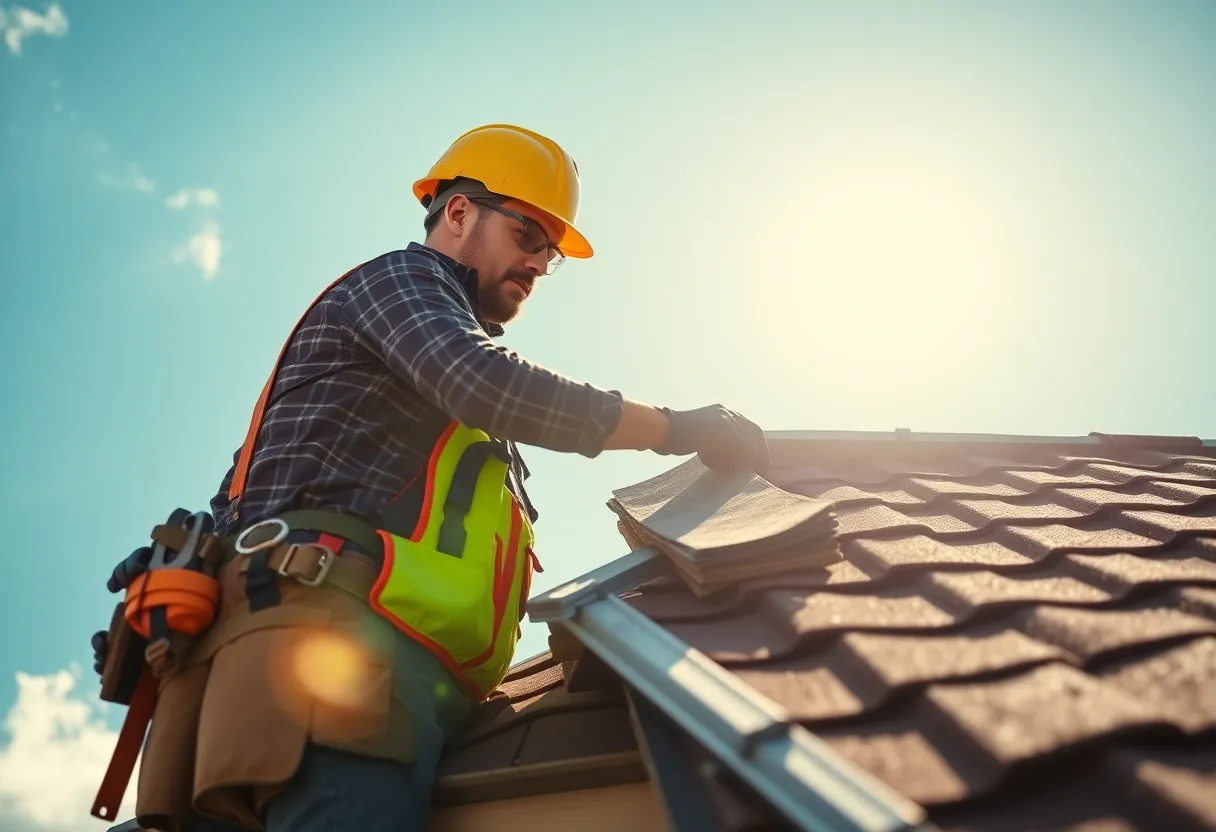
Always hire experienced roofing professionals familiar with humidity-specific challenges. Their expertise will ensure optimal installation, significantly reducing future complications.
2. Utilize Appropriate Underlayment
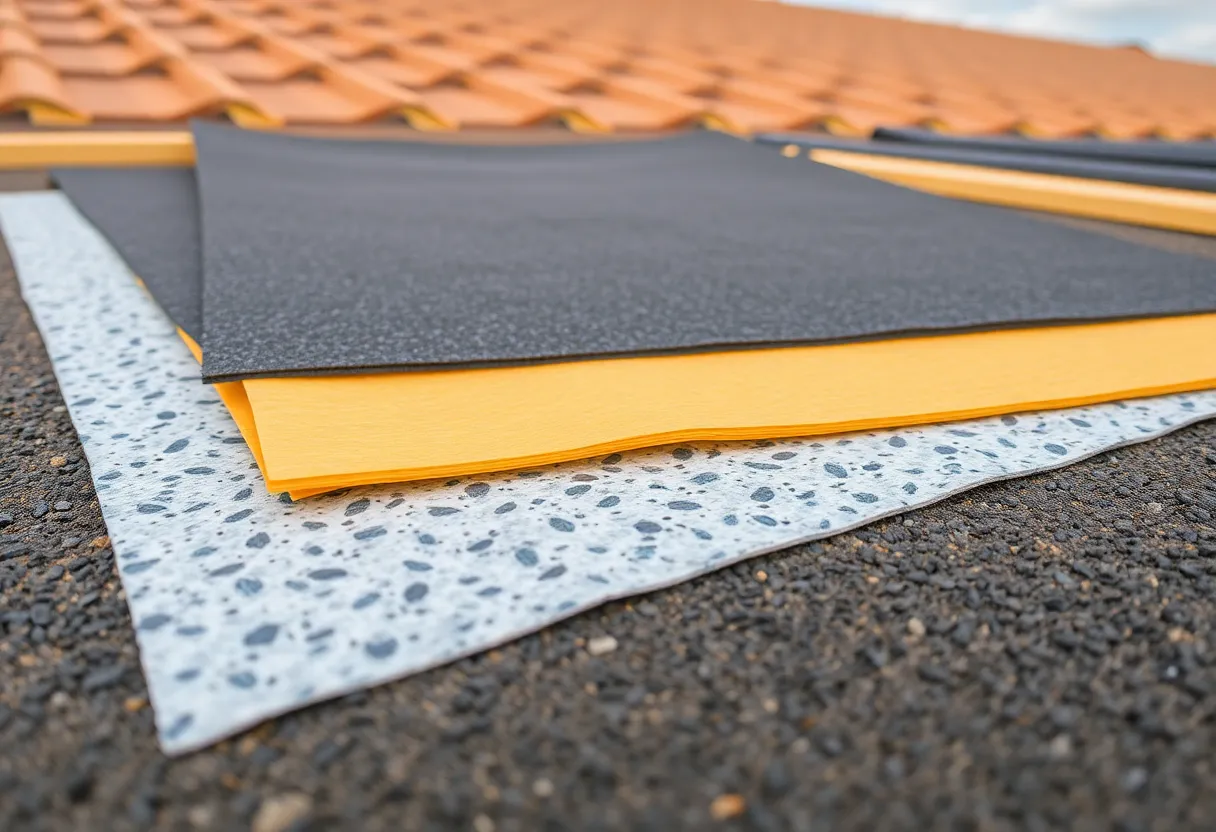
An effective underlayment can provide an extra barrier against moisture. Look for underlayments specifically designed for high humidity areas. A good underlayment will enhance the roof’s effectiveness against moisture infiltration.
Regular Maintenance and Inspection
Routine maintenance is vital for sustaining any roofing system, particularly in humid climates. Here are essential maintenance tips:
1. Regular Cleaning
Eliminate debris, such as leaves and branches, off the roof to prevent moisture retention. This helps in reducing the risk of mold and algae development.
2. Inspections
Conduct annual inspections to identify potential issues. Check for signs of wear, leaks, or mold growth. Early detection can prevent costly repairs.
Final Thoughts: Investing Wisely
Choosing the right roofing system in high humidity areas necessitates careful consideration. Prioritize materials that are moisture-resistant and adaptable to humid conditions. Furthermore, ensure professional installation and commit to regular maintenance.
Investing time and resources into the right roofing system will enhance your home’s longevity and performance. Make informed choices to safeguard your investment against the challenges posed by humidity.
Frequently Asked Questions
1. What roofing material lasts the longest in high humidity?
Metal roofing and slate roofing commonly last the longest in high humidity due to their durability and moisture resistance.
2. Why is ventilation important for roofing in humid climates?
Proper ventilation prevents moisture buildup in the attic, reducing the risk of damage and extending the roof’s lifespan.
3. Are asphalt shingles suitable for high humidity areas?
Yes, but it is crucial to select high-quality, algae-resistant asphalt shingles specifically designed for moisture resistance.
4. How often should I inspect my roof in a humid climate?
It is advisable to conduct annual inspections to identify potential issues and ensure the roof remains in good condition.
5. Can I install roofing myself in high humidity areas?
While DIY installation is possible, hiring qualified professionals who understand humidity-specific challenges is recommended for optimal results.

Author: STAFF HERE LEXINGTON WRITER
The LEXINGTON STAFF WRITER represents the experienced team at HERELexington.com, your go-to source for actionable local news and information in Lexington, Fayette County, and beyond. Specializing in "news you can use," we cover essential topics like product reviews for personal and business needs, local business directories, politics, real estate trends, neighborhood insights, and state news affecting the area—with deep expertise drawn from years of dedicated reporting and strong community input, including local press releases and business updates. We deliver top reporting on high-value events such as Woodland Art Fair, Crave Food and Music Festival, and Railbird Festival. Our coverage extends to key organizations like Commerce Lexington and Blue Grass Community Foundation, plus leading businesses in education, manufacturing, and technology that power the local economy such as University of Kentucky, Toyota Motor Manufacturing, and Lexmark. As part of the broader HERE network, including HEREBowlingGreen.com and HERELouisville.com, we provide comprehensive, credible insights into Kentucky's dynamic landscape.
 Mays Contracting