

News Summary
As spring arrives in Columbia, SC, residents are facing high pollen counts, resulting in seasonal allergies. With dry conditions and warmer temperatures, tree and grass pollen levels are peaking. Columbia ranks high in allergy challenges according to recent reports, highlighting the growing concern. The article discusses the impact of climate change on pollen exposure and offers tips for managing allergy symptoms this season.
Spring Has Sprung: Pollen Takes Center Stage in Columbia, South Carolina
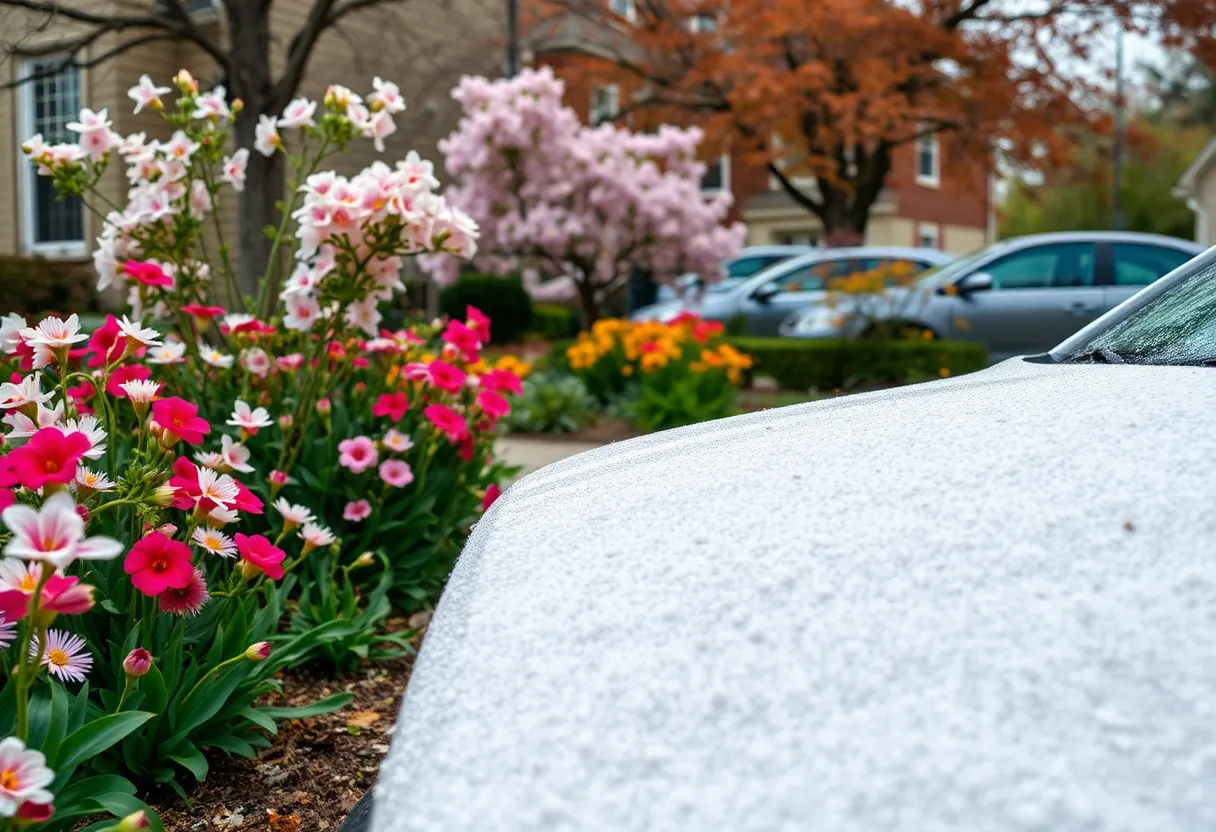
As spring settles in Columbia, South Carolina, residents are witnessing a remarkable transformation. The sun is shining, flowers are blooming, and unfortunately, pollen is piling up. If you’ve stepped outside recently, you’ve likely noticed a fine dust coating your car, porch, and even those beautiful blossoms in your garden. It’s that time of year when seasonal allergies strike the community, bringing along sniffles, sneezes, and all sorts of discomfort.
Dry Days Mean Higher Pollen Counts
In the Midlands region, we haven’t seen much rain lately, which means there’s been little opportunity for that pesky pollen to wash away. With tree pollen at its peak in spring, followed by grass pollen taking over in summer, now is the crucial time for those who suffer from allergies. The warmer temperature, combined with these drier conditions, results in exceptionally high pollen counts, especially on those dry, warm, and windy days.
South Carolina’s Rankings in the Allergy Landscape
Why Is Pollen So Problematic?
Pollen is a natural substance produced by plants for reproduction. Unfortunately, when inhaled, it can lead to diverse allergic reactions. The CDC states that around 60 million people in the U.S. experience allergy symptoms every year, making it a significant health concern.
The Effects of Climate Change
As many of us have felt, springs are getting warmer. The Midlands has warmed up by 3 degrees since 1970, and over the last few decades, Columbia has averaged out to about 16 more warmer-than-normal spring days each year. This shift is not just a playful change in the weather; it signals longer and more grueling allergy seasons for locals and possibly extends the inconvenience of pollen exposure.
Keeping Pollen at Bay
When the pollen counts rise, experts suggest keeping your windows closed to minimize exposure. Yes, it can be tempting to let in that delightful spring breeze, but your sinuses will thank you! Also, pay close attention to local weather reports for pollen forecasts so you can plan your outdoor activities wisely.
A Bright but Pollen-Filled Future
Conclusion
This spring, as we celebrate the beauty of blooming flowers and warmer weather, let’s also acknowledge the role of pollen and the impact it has on our health. Whether its cozying up inside with allergies or taking the necessary precautions outside, we can navigate the spring season together while keeping our allergy symptoms in check!
Deeper Dive: News & Info About This Topic
HERE Resources
Additional Resources
- Colatoday: Surviving Pollen Season
- WLTX: The Science Behind Pollen
- ABC News 4: Pollen-tology – Spring Blooms
- WSPA: Allergy Capitals in the U.S.
- The State: Pollen and Allergy Issues in SC
- Wikipedia: Allergy
- Google Search: Pollen Season South Carolina
- Google Scholar: Pollen Allergy Research
- Encyclopedia Britannica: Allergy
- Google News: Pollen Allergy Season


Author: STAFF HERE LEXINGTON WRITER
The LEXINGTON STAFF WRITER represents the experienced team at HERELexington.com, your go-to source for actionable local news and information in Lexington, Fayette County, and beyond. Specializing in "news you can use," we cover essential topics like product reviews for personal and business needs, local business directories, politics, real estate trends, neighborhood insights, and state news affecting the area—with deep expertise drawn from years of dedicated reporting and strong community input, including local press releases and business updates. We deliver top reporting on high-value events such as Woodland Art Fair, Crave Food and Music Festival, and Railbird Festival. Our coverage extends to key organizations like Commerce Lexington and Blue Grass Community Foundation, plus leading businesses in education, manufacturing, and technology that power the local economy such as University of Kentucky, Toyota Motor Manufacturing, and Lexmark. As part of the broader HERE network, including HEREBowlingGreen.com and HERELouisville.com, we provide comprehensive, credible insights into Kentucky's dynamic landscape.