

News Summary
South Carolina has revised its restaurant inspection protocols after the Agriculture Department took over food safety oversight, resulting in increased suspensions of permits. A new ‘three-strikes rule’ mandates that after three fines, restaurants face a five-day suspension. Inspections now mirror stricter measures from North Carolina, where permits get revoked for scores below 70. While some restaurateurs express concerns about these changes, others welcome the focus on public health and enhanced safety standards. Follow-up inspections and transparency about closures are also emphasized under the new regulations.
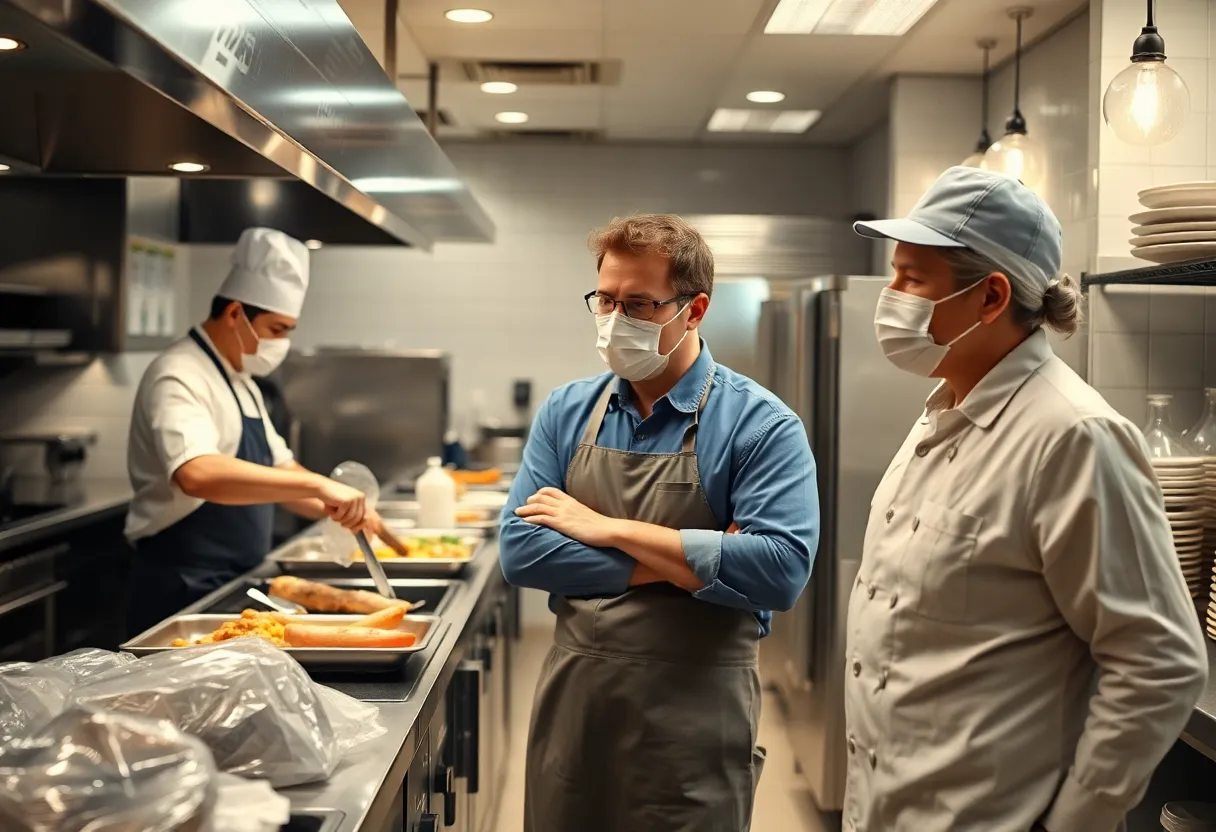
Columbia, South Carolina – South Carolina has implemented significant changes in its restaurant inspection protocols following the Agriculture Department’s takeover of food safety oversight. Since this transition, the department has suspended permits for establishments with repeated health code violations on 11 occasions in just the first year, a marked increase compared to previous years.
The Agriculture Department’s new “three-strikes rule” mandates that after three fines, a restaurant’s permit will be suspended for five days, with notifications publicly posted at the establishment. This development stands in stark contrast to the state’s former grading system, where restaurants could operate with a “C” grade ranging from 77 to 0. Under the new rules, any establishment scoring below 60 in inspections is immediately closed.
Previously, inspections by the South Carolina Department of Health and Environmental Control (DHEC) were less stringent, with only three operating permits suspended between 2019 and 2023, focusing more on avoiding restaurant closures. The Agriculture Department’s approach now mirrors that of neighboring North Carolina, which automatically revokes permits for scores of 70 or lower.
The new regulations have stirred mixed reactions from the restaurant community. While some owners express concerns about the government’s authority to close small businesses for health infractions, others see this shift as beneficial for public health, enhancing safety standards in dining establishments.
As part of the enforcement of the new regulations, the Agriculture Department has expanded its inspection staff and revised its regulatory philosophy to prioritize public health over leniency. During recent inspections from July 1 to July 14, various eateries in Columbia were flagged for critical violations, including soiled ice machines and inadequate sanitizer levels. Notable restaurants such as McDonald’s and Cracker Barrel received penalties but were given deadlines to rectify the issues.
In addition to immediate closures for severe violations, establishments that close due to health concerns cannot mislead customers by stating they are “on vacation” or “closed for renovations.” The department has also upheld strict adherence to the standards by temporarily closing restaurants like Szechuan House for nonpayment of reinspection fees.
Following critical findings, regular follow-up inspections help maintain the desired health standards across all food service venues. The schedule for these inspections typically occurs two to three times each year, depending on the restaurant’s risk profile and location. Follow-up checks are prompted by previously identified critical violations, ensuring the establishment swiftly addresses potential hazards.
Common deficiencies noted during inspections include the absence of date labels on food items and the failure to maintain proper temperature controls for potentially hazardous foods—issues that could compromise customer safety.
The community’s overall opinion on these intensified health regulations is divided. While many understand the necessity for rigorous safety measures in restaurants, others emphasize the importance of allowing business independence and voice concerns over the government’s increasing role in overseeing small enterprises.
As these new restaurant inspections continue to unfold, the Agriculture Department remains resolute in its commitment to protecting public health while navigating the challenges posed by restaurant owners resistant to the changes. There remains hope for collaboration between regulators and business owners, fostering a healthier dining environment for all South Carolinians.
Deeper Dive: News & Info About This Topic
HERE Resources
South Carolina Boosts Restaurant Inspections Amid Safety Concerns
Columbia Dining Scene Shifts with New Openings and Closures
What It’s Like to Own a Golf Course Home in Lexington SC
Pelican’s SnoBalls Closes in Columbia, Opens New Location in Anderson
Columbia’s Festive Dining Solutions on Christmas
Additional Resources
- Columbia Tribune: Restaurant Inspections – Soiled Soda Machine Nozzles
- Google Search: restaurant inspection protocols
- Columbia Tribune: Restaurant Lacking Hot Water
- Google Scholar: food safety regulations
- Columbia Tribune: Abelardo’s Health Violations
- Encyclopedia Britannica: restaurant health inspections
- Columbia Tribune: Water Line Rupture Closes Restaurant
- Google News: restaurant health regulations


Author: STAFF HERE LEXINGTON WRITER
The LEXINGTON STAFF WRITER represents the experienced team at HERELexington.com, your go-to source for actionable local news and information in Lexington, Fayette County, and beyond. Specializing in "news you can use," we cover essential topics like product reviews for personal and business needs, local business directories, politics, real estate trends, neighborhood insights, and state news affecting the area—with deep expertise drawn from years of dedicated reporting and strong community input, including local press releases and business updates. We deliver top reporting on high-value events such as Woodland Art Fair, Crave Food and Music Festival, and Railbird Festival. Our coverage extends to key organizations like Commerce Lexington and Blue Grass Community Foundation, plus leading businesses in education, manufacturing, and technology that power the local economy such as University of Kentucky, Toyota Motor Manufacturing, and Lexmark. As part of the broader HERE network, including HEREBowlingGreen.com and HERELouisville.com, we provide comprehensive, credible insights into Kentucky's dynamic landscape.