Freshwater fishing continues to attract millions of participants nationwide, with an estimated 40 million individuals engaging in the activity across the United States. In the Lexington area, its popularity is reflected in the numerous anglers drawn to local waters like Lake Murray and the Saluda River, seeking both recreation and the thrill of a catch. For those new to the sport, understanding the basic equipment and techniques is the first step toward a successful outing.
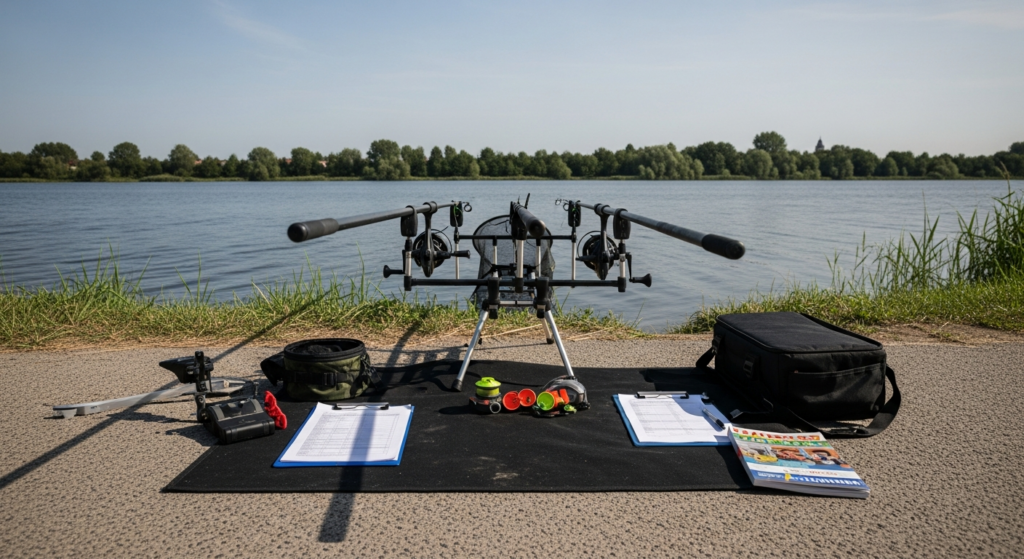
Beginning anglers often benefit from simple, versatile gear that minimizes frustration and maximizes learning. A recommended starting point for a rod and reel setup is a 6’6” spincast rod paired with a 150-size spincast reel. This combination is known for its user-friendliness, particularly its resistance to tangles, making it an ideal choice for newcomers. The spincast reel’s enclosed design protects the line, and its push-button casting mechanism simplifies the process, allowing beginners to focus on accuracy and presentation rather than complex mechanics. This setup is well-suited for targeting smaller to medium-sized freshwater species commonly found in ponds and calmer sections of rivers.
Another excellent option for those starting out is a 6’6” spinning rod with a 2000-size spinning reel. Spinning setups offer more versatility and control than spincast systems, allowing for longer casts and a wider range of lure presentations. The open-face design of a spinning reel, while requiring a bit more practice to master, provides a smoother drag system and is generally preferred by anglers as they gain experience. This setup is effective for a broad spectrum of freshwater fishing scenarios, from casting light lures for panfish to handling larger bass or catfish. Its adaptability makes it a popular choice for anglers who want a single setup that can perform well in various conditions.
For those interested in a more advanced, yet still beginner-friendly, option, a 7’ baitcasting rod with a 150-size casting reel can be considered. Baitcasting reels are renowned for their power and precision, particularly when casting heavier lures or targeting larger, more powerful fish. They offer superior line control and torque compared to spinning reels, which can be advantageous when fishing in dense cover or battling strong currents. However, baitcasting reels have a steeper learning curve, primarily due to the potential for ‘backlashes’ – a tangle of line that occurs if the spool spins faster than the lure is pulling line. With practice and proper technique, a baitcasting setup can become a highly effective tool for serious freshwater anglers.
Regardless of the chosen rod and reel, selecting the right fishing line is crucial. For beginners, 10 lb. monofilament (mono) or nylon line is highly recommended. Monofilament line is affordable, easy to tie knots with, and offers a good balance of strength and stretch. Its stretch acts as a shock absorber, which can be forgiving when a fish strikes aggressively or when an angler sets the hook too hard. The 10 lb. test strength is robust enough to handle most common freshwater species without being overly thick, which could deter bites. This type of line is also relatively easy to manage on the reel, further reducing the chances of tangles for novice anglers.
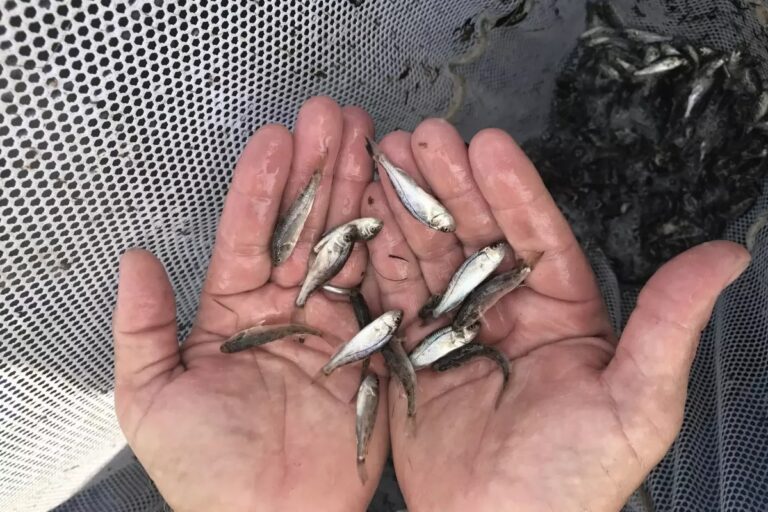
When it comes to bait, simplicity and effectiveness are key for beginners. Natural baits like worms and minnows are perennially popular for a reason: fish instinctively recognize them as food. Worms, such as nightcrawlers or red wigglers, are incredibly versatile and can attract a wide array of species, including bluegill, crappie, catfish, and bass. They can be fished on the bottom, under a bobber, or even slowly retrieved. Minnows, small baitfish, are particularly effective for predatory species like bass, crappie, and walleye, mimicking their natural prey. Using live bait often increases the chances of a bite, providing immediate gratification for new anglers.
Beyond live bait, a small selection of versatile lures can significantly enhance a beginner’s fishing experience. Lures are designed to mimic the appearance and movement of prey, enticing fish to strike. Five primary categories of beginner-friendly lures include topwater lures, jerkbaits, crankbaits, bottom baits (such as Texas Rigs or jigs), and vibrating jigs. Each category serves a different purpose and is effective in various conditions.
Topwater lures, as their name suggests, float on the surface of the water and create commotion to attract fish. They are particularly exciting to use because anglers can visually witness the strike. Jerkbaits are designed to be retrieved with a series of jerks and pauses, mimicking a wounded baitfish. Crankbaits dive to various depths when retrieved, with shallow-running models ideal for covering water near the surface and deeper models for targeting fish in deeper columns. Bottom baits, like the Texas Rig (a soft plastic worm rigged to be weedless) or jigs, are effective for fish holding near the lakebed or in dense cover. Vibrating jigs combine the flash of a spinnerbait with the erratic action of a jig, creating strong vibrations that attract fish from a distance.
For a more specific tackle box, four lure recommendations stand out for beginners: a soft 5” stickbait, a 3/8oz spinnerbait, a shallow running crankbait that dives 0-5 feet, and a hollow body frog. The soft 5” stickbait, often fished weightless or with minimal weight, has a subtle, natural fall that is highly effective for bass. A 3/8oz spinnerbait creates flash and vibration, making it excellent for covering water and attracting aggressive fish in various conditions. A shallow running crankbait, diving 0-5 feet, is perfect for exploring shallower areas of Lake Murray or the Saluda River, where many species feed. Finally, a hollow body frog is a specialized topwater lure designed for fishing over heavy vegetation, making it ideal for targeting bass in lily pads or dense grass beds, common in some local ponds and lake coves.
Finding productive fishing spots is another critical step for new anglers. Several resources can help identify promising locations in the Lexington area and beyond. A state’s Department of Natural Resources (DNR) website is an invaluable tool, often providing maps, public access points, and information on fish populations and regulations. Local tackle stores, such as those found near Lake Murray, are also excellent sources of real-time information. Shop owners and employees often have up-to-date knowledge on local hotspots, effective baits, and recent catches. Free fishing message boards and dedicated fishing apps can also connect anglers with a community of enthusiasts who share tips and location insights. Before heading out, it is essential to check state regulations, which can vary by water body and species, and to purchase a fishing license online, a requirement for legal fishing in South Carolina.
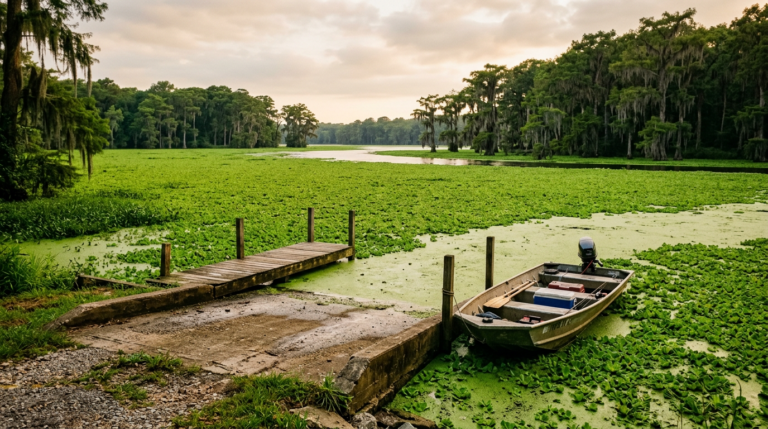
Different types of freshwater bodies offer distinct fishing experiences and target species. Pond fishing, often more accessible and less intimidating for beginners, can yield a variety of catches including bluegill, crappie, sunfish, catfish, or largemouth bass. Ponds are typically smaller, making it easier to understand fish behavior and locate productive areas. Lake fishing, particularly in a large body of water like Lake Murray, presents a broader range of opportunities. Anglers can target shallow-water species along the banks and coves, similar to pond fishing, or venture into deeper, open water for species like lake trout and walleye, which require different techniques and gear.
The guide also touches on how fish activity can shift with the seasons and weather patterns. While fish behavior is influenced by many factors, including water temperature and light conditions, understanding general trends can improve success. During the summer months in Lexington, fish may be more active during cooler parts of the day, such as early mornings or late evenings, or when overcast skies provide some relief from direct sunlight. Rain can also stimulate feeding, as it washes insects and nutrients into the water, and can reduce fishing pressure from other anglers.
Why it matters in Lexington
For residents of Lexington, access to freshwater fishing opportunities is a significant recreational and economic asset. Lake Murray, a prominent feature of the region, serves as a major draw for both local anglers and visitors, supporting local businesses such as bait and tackle shops, boat rentals, and hospitality services. The ability for new anglers to easily learn the basics means more people can enjoy the natural beauty and resources of Lexington County. The Lexington County Government plays a role in maintaining public access points and ensuring the health of local waterways, contributing to the sustainability of this popular outdoor activity for generations to come. Promoting responsible fishing practices and providing resources for beginners helps to preserve the ecological balance of Lake Murray and the Saluda River, ensuring these vital natural assets remain vibrant for the community. This engagement with local natural resources fosters a deeper connection to the environment and provides a healthy, accessible pastime for individuals and families across Lexington.